If there’s one thing cast-iron owners have in common, it’s that they’re passionate about their skillets. The second thing? Nobody seems to agree on the “right” way to care for one.
Spend five minutes reading comments about cast iron, and you’ll see people arguing about soap, seasoning, scrubbers, oil, heat, and whether your pan should look shiny or matte. Everyone swears their method is the correct one, usually because it’s what they learned from a parent, grandparent, or years of trial and error.
The funny part is that cast iron is actually pretty tough. These pans were built to last through decades of everyday cooking. They don’t need perfection, but they do need a little common sense and regular care.
Some cast-iron rules are worth following. Others are mostly kitchen folklore that somehow turned into heated debates online. Here’s what actually matters if you want your skillet to stay in good shape for years to come.
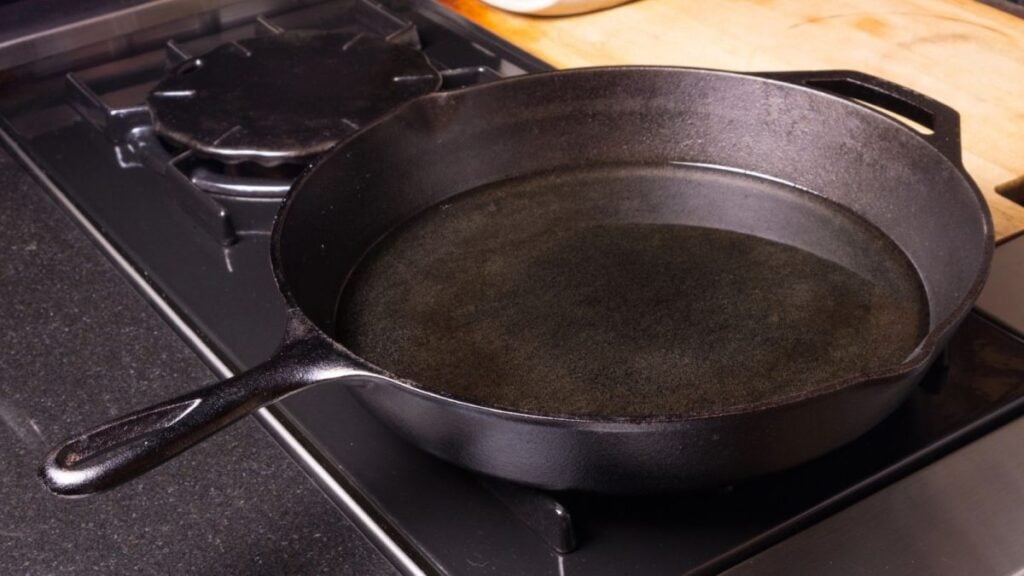
Do preheat slowly
Cast iron needs time to warm up. A slow preheat over medium heat helps prevent burning and sticking and allows the pan to heat evenly.
Don’t crank the heat right away
High heat too early can damage the seasoning and ruin the food. Cast iron holds heat well, so there’s no need to rush it.
Do keep it seasoned
Seasoning protects the pan and helps create a natural nonstick surface. A light coat of oil after cleaning helps keep the surface in good condition.
Don’t let the pan go bare
A dry, unprotected skillet is more likely to rust. If it looks dull or rough, it’s time to re-season.
Do clean it gently
Warm water and a soft sponge are usually enough. For stuck-on food, salt or baking soda can help without stripping the seasoning.
Don’t overdo the soap
A small amount of soap won’t ruin your pan, but frequent heavy scrubbing can slowly wear down the seasoning.
Dry it completely
Dry the skillet immediately after washing. Placing it over low heat for a minute helps remove leftover moisture.
Don’t store it wet
Even a small amount of moisture can lead to rust if the skillet is put away damp.
Do use the right utensils
Wooden or silicone utensils are gentler on the seasoning and help it last longer.
Don’t scrape aggressively
Metal utensils aren’t always forbidden, but aggressive scraping can wear down seasoning faster than necessary.
Do give food space
Cast iron cooks best when food has room to brown. Crowding lowers the temperature, leading to soggy results.
Don’t overload the pan
Too much food at once prevents even cooking and weakens searing.
Do be careful with acidic foods
Quick-cooking dishes with tomatoes or citrus are usually fine, especially when well seasoned in a well-seasoned pan.
Don’t simmer acidic foods too long
Long cooking times with acidic ingredients can strip seasoning and cause off-flavors.
Do let it cool before washing
Allow the pan to cool naturally to protect the surface.
Don’t shock it with cold water
Sudden temperature changes can damage seasoning and stress the pan.
Do oil the skillet lightly after each use
Even if it still looks seasoned, a thin layer of oil helps protect the surface and prevent rust.
Don’t leave excess oil in the pan
Too much oil can turn sticky and attract dust. Always wipe it down until the surface looks dry, not greasy.