An attic often becomes the place where things get stored and forgotten. Holiday decorations, old boxes, extra clothes, keepsakes, and anything you don’t want taking up space downstairs usually end up there sooner or later. Since it’s tucked away from daily life, it’s easy to assume everything will stay fine sitting there for years.
The problem is that attics go through extreme temperature changes, humidity, dust, and sometimes even pests. Certain items can warp, crack, fade, melt, or grow mold before you even realize there’s a problem.
Before you carry another box upstairs, it helps to know which belongings are safer stored somewhere else.
Important Documents
Birth certificates, passports, social security cards, property deeds, and other essential paperwork should never be stored in an attic. Heat, moisture, and pests can quickly ruin paper documents. Instead, keep them in a fireproof safe or safety deposit box where they’re protected and easy to access when needed.
Valuables
Jewelry, heirlooms, collectibles, and other valuable items don’t belong in an attic. Extreme temperature swings and humidity can cause discoloration, warping, or cracking. Valuable belongings should be stored in a secure, climate-controlled space.
Electronics
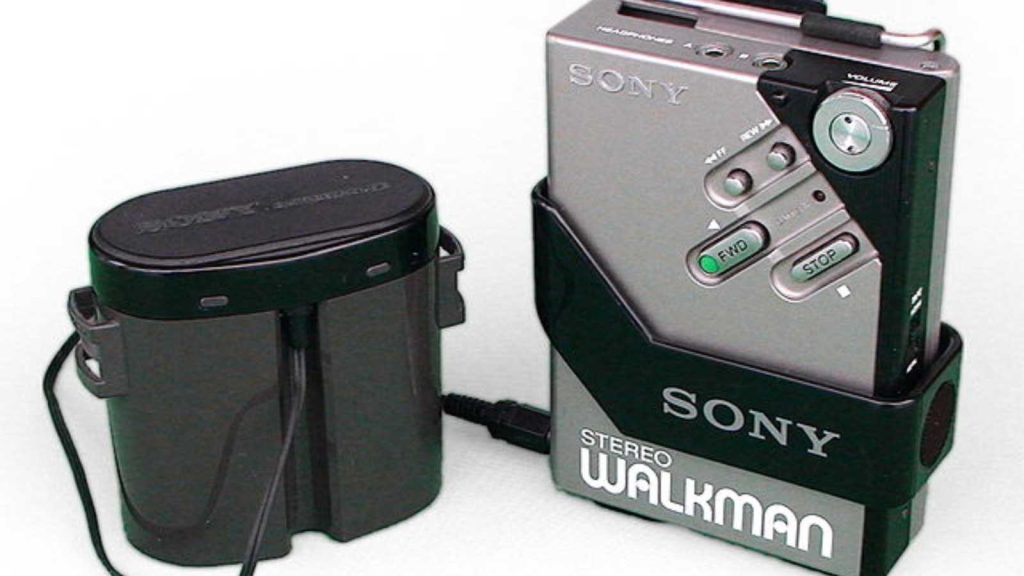
Old TVs, computers, printers, and other electronics are sensitive to both heat and moisture. Storing them in an attic can damage internal components and shorten their lifespan. If you need to store electronics temporarily, choose a dry, temperature-controlled area instead.
12 Old Electronics That Are Now Considered Vintage
Clothing and Fabrics
Seasonal clothing, linens, and blankets may seem harmless to store overhead, but heat and humidity can lead to mildew, musty smells, and fabric deterioration. Fabrics are best kept in sealed bins in a cool, dry closet or storage room.
Paint and Art Supplies
Paint, markers, and other art materials don’t handle temperature extremes well. High heat can cause paint to dry out or separate, making it unusable. Store these items in a space where temperatures remain steady.
Food
Even non-perishable food shouldn’t be stored in an attic. Heat can cause spoilage or reduce shelf life, and pests can easily find their way into stored goods. Pantry items belong in a cool, dry kitchen or storage area.
Musical Instruments
Musical instruments, especially those made of wood, are highly sensitive to changes in temperature and humidity. Warping, cracking, and string damage can occur quickly in attic conditions. Always store instruments indoors in a stable, temperature-controlled environment.
Photographs and Film
Heat and moisture can cause photographs to fade, curl, or deteriorate. Film and negatives are especially vulnerable. If you want to preserve these memories, store them in archival-quality boxes in a cool, dry area of your home.
Leather Goods
Leather jackets, handbags, shoes, and other items can dry out, crack, or develop mildew when exposed to attic conditions. Proper airflow and moderate temperatures help extend the life of leather products.
Hazardous Materials
Gasoline, paint thinners, cleaning chemicals, and other flammable materials should never be stored in an attic. High temperatures can increase fire risks and cause containers to leak or expand. These items should be kept in a well-ventilated, designated storage area.