For years, buying fertilizer felt like part of the gardening routine. Every spring, I’d pick up a few bags or bottles and assume my plants needed them to grow well.
The longer I gardened, the more I noticed that some of my healthiest plants weren’t getting much from a package at all. They were growing in soil that had plenty of compost, organic matter, and materials that would have otherwise been thrown away.
That changed how I looked at feeding my garden. Instead of spending money on fertilizer every season, I started focusing on building healthier soil. Kitchen scraps, compost, leaves, grass clippings, and other natural materials often did more for my garden than anything I bought at a store.
These days, I rely far less on commercial fertilizers than I used to. Here are some of the natural soil boosters that became regular parts of my gardening routine and helped me cut back on store-bought products.
Banana Peels
Banana peels are one of the easiest natural fertilizers to use. They contain potassium, phosphorus, calcium, and magnesium nutrients that help support flowering and fruit production.
Tomatoes, roses, and peppers are especially known to benefit from the potassium found in banana peels.
How to use: Chop the peels into small pieces and bury them near the base of plants. They can also be soaked in water for a few days to create a simple banana peel tea that can be poured around plant roots.
Coffee Grounds
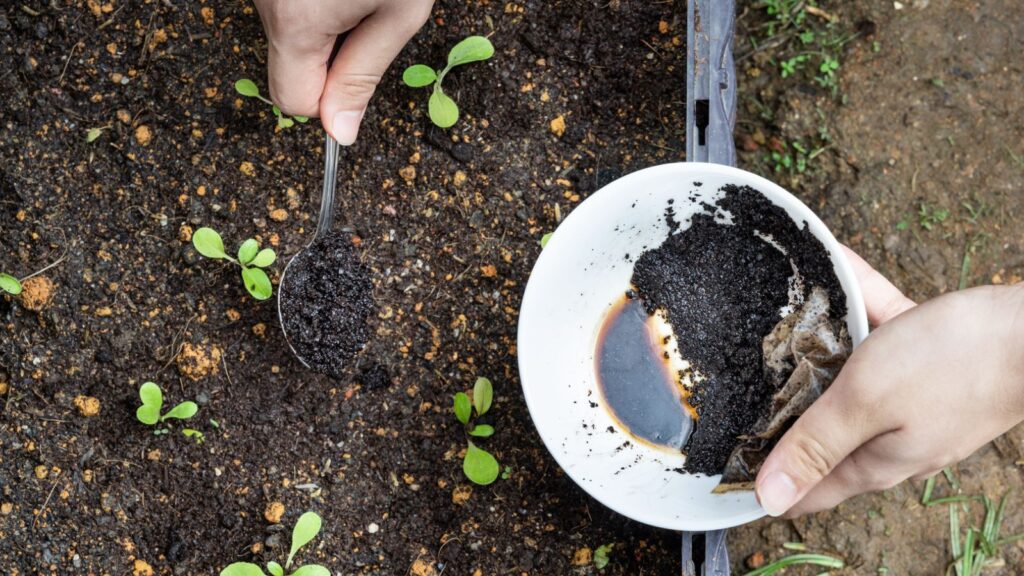
Used coffee grounds are rich in nitrogen, which encourages leafy growth in many plants. They also contain small amounts of magnesium, calcium, potassium, and iron.
Beyond nutrients, coffee grounds can help improve soil structure and moisture retention when used in moderation.
How to use: Sprinkle used grounds lightly around plants or add them to the compost pile. They can also be steeped in water overnight to create a mild liquid fertilizer.
Eggshells
Eggshells are mostly made of calcium, which helps strengthen plant cell walls and can support crops that are prone to calcium deficiencies, such as tomatoes and peppers.
Because they break down slowly, eggshells provide a steady source of calcium over time.
How to use: Crush eggshells into small pieces and mix them into the soil around plants, or soak them in water to make a calcium-rich watering solution.
Cooking Water
Water used for boiling vegetables, pasta, or potatoes often contains nutrients released during cooking. Instead of pouring this water down the drain, it can be used to feed plants.
Leafy greens such as kale, spinach, and lettuce can benefit from the extra minerals.
How to use: Let the cooking water cool completely before pouring it onto the soil. Make sure the water hasn’t been salted or mixed with oils.
Green Tea
Green tea can also serve as a gentle fertilizer for plants. The leaves contain nitrogen and trace minerals that support plant growth.
Some gardeners also believe green tea can help support beneficial soil microbes.
How to use: Brew a weak mixture using one tea bag per gallon of water. Once cooled, use it to water plants occasionally during the growing season.
Epsom Salt
Epsom salt contains magnesium and sulfur, two nutrients plants use for healthy growth and photosynthesis.
Flowering plants such as roses and tomatoes sometimes benefit from additional magnesium during the growing season.
How to use: Dissolve one tablespoon of Epsom salt in a gallon of water and apply it to the soil around plants about once a month.
Compost Tea
Compost is one of the most powerful soil builders in any garden. Turning compost into a liquid form makes it easy to deliver nutrients directly to plant roots.
Compost tea also introduces beneficial microorganisms that help support healthy soil life.
How to use: Soak finished compost in water for 24–48 hours, strain the liquid, and use it to water plants during periods of active growth.
Grass Clippings
Fresh grass clippings are rich in nitrogen and break down quickly, adding organic matter to the soil. When used as mulch, they also help retain moisture and suppress weeds.
How to use: Spread a thin layer of untreated grass clippings around plants. As they decompose, they slowly release nutrients into the soil.
Comfrey Tea
Comfrey leaves are packed with potassium, nitrogen, and phosphorus, making them an excellent plant food. Many gardeners use comfrey specifically to support flowering and fruit production.
How to use: Soak chopped comfrey leaves in water for several weeks, then dilute the liquid before applying it to plants. The mixture is strong and has a powerful smell, but it can be very effective.
Wood Ash
Wood ash from untreated firewood contains potassium and calcium. It can also help raise soil pH in gardens with overly acidic soil.
Because of its alkalinity, it should be used carefully and not applied around acid-loving plants.
How to use: Sprinkle a small amount of ash on garden beds and gently mix it into the soil.
Manure
Well-aged manure from animals such as cows, rabbits, or horses has been used as fertilizer for centuries.
It adds nitrogen, phosphorus, potassium, and organic matter while improving soil structure.
How to use: Apply fully composted manure as a top dressing around established plants or mix it into garden beds before planting.