
If you’ve ever used a shared laundry room, you’ve probably faced the dilemma: every machine is occupied except for one that’s finished its cycle, and the owner is nowhere in sight. Do you wait? Do you move their clothes? Or do you walk away and come back later? It’s one of the most debated questions in apartment buildings, dorms, and laundromats, and opinions are surprisingly divided.
While most people agree that no one likes a stranger touching their clothes, many also believe that shared laundry spaces come with shared responsibilities. The real question isn’t whether moving someone’s laundry is rude, it’s when it crosses the line.
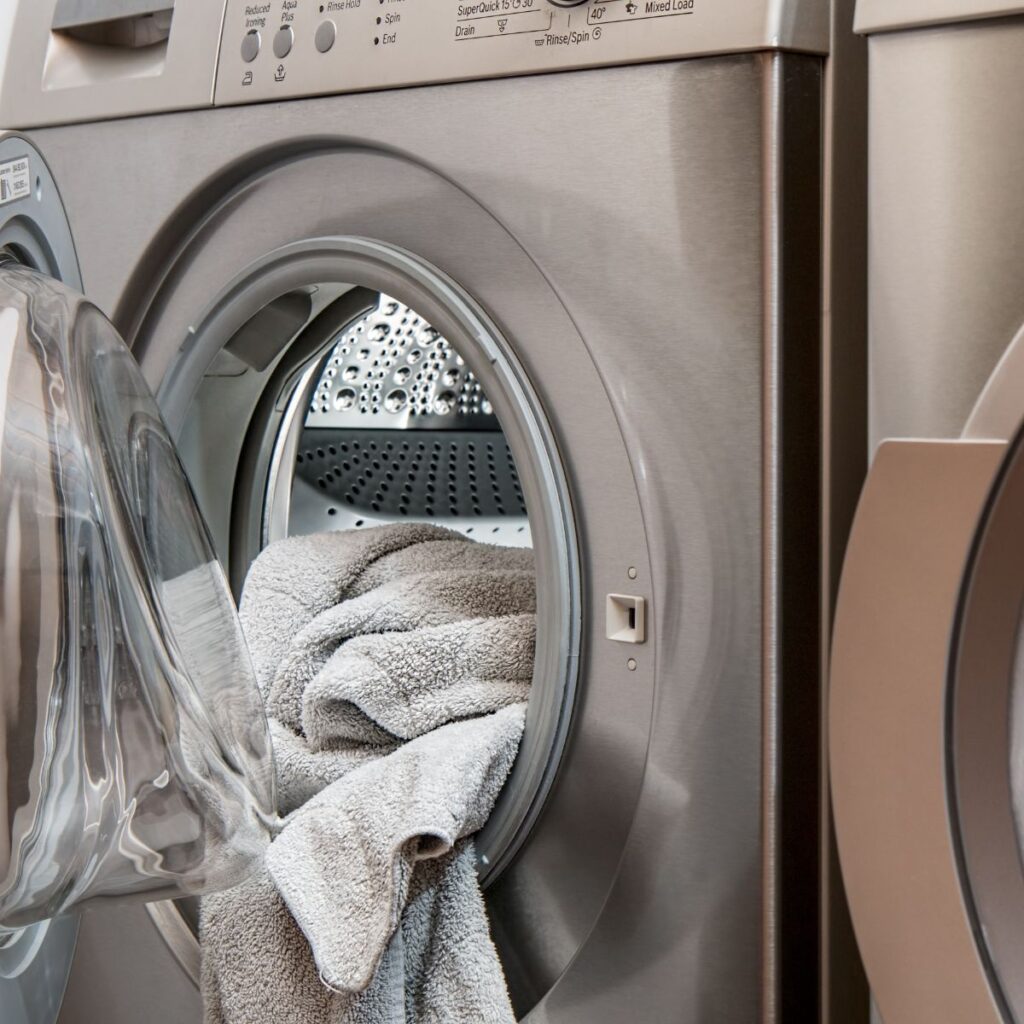
Some People Believe Finished Laundry Is Fair Game
For many people, the moment a wash or dry cycle ends, the responsibility shifts to the owner of the clothes. In busy laundry rooms with limited machines, waiting indefinitely for someone to return can throw off everyone else’s schedule.
Those in the “move it” camp argue that other people shouldn’t have to sacrifice their time because someone forgot to set a timer or got distracted. From their perspective, if a machine is finished and others are waiting, carefully removing the laundry is a reasonable solution rather than a personal attack.
The Biggest Frustration Is Not Knowing How Long You’ll Be Waiting
One of the most common arguments in favor of moving laundry is uncertainty. If someone isn’t there when the cycle ends, nobody else knows whether they’ll be back in two minutes or two hours.
That uncertainty often pushes people to act sooner rather than later. While five minutes may seem like a short delay to the person who left the laundry behind, someone waiting for an open machine has no way of knowing that.
Others Feel There Should Be a Grace Period
Not everyone agrees that a finished cycle automatically gives others permission to handle someone else’s belongings. Many people feel that a small grace period is simply common courtesy.
Life happens. Elevators get delayed, children need attention, phone calls run long, and sometimes people are only a few minutes late. For those who favor waiting, moving clothes immediately after a cycle ends feels unnecessarily impatient.
Wet Clothes and Dry Clothes Are Often Treated Differently
Interestingly, many people draw the line based on whether the laundry is wet or dry. Wet clothes are generally viewed as more personal and more vulnerable to being dropped on dirty surfaces.
Dry laundry, on the other hand, is often considered less problematic to move, especially if it’s placed neatly on a clean folding table or in a laundry basket. Even people who dislike others touching their belongings are sometimes more understanding when it comes to finished dryer loads.
Shared Spaces Require Shared Courtesy
Whether you’re waiting for a machine or trying to remember when your cycle ends, most people agree that consideration goes both ways. Leaving clothes in a machine for an extended period can be frustrating for everyone else using the facility.
At the same time, if you need to move someone’s laundry, handling it respectfully can go a long way toward avoiding conflict. Tossing clothes on the floor or creating a mess crosses a line that most people would consider rude regardless of the circumstances.
So Where Do Most People Draw the Line?
While there’s no universal rule, a common middle ground has emerged. Many laundry-room veterans believe the owner of the clothes should aim to return within a few minutes of the cycle ending, especially during busy periods.
For those waiting on a machine, giving the owner roughly 10 minutes to show up is often viewed as a reasonable compromise. After that, many people feel it’s acceptable to carefully move the laundry so others can use the machine.