After enough trips to thrift stores, you start to realize that cheap doesn’t automatically mean profitable. I’ve made the mistake of buying things simply because they looked interesting or seemed like a bargain, only to have them sit in storage for months without a buyer.
These days, I’m much pickier. Instead of filling my cart with random finds, I focus on items that have a proven track record of selling online. Just as importantly, I’ve learned which categories usually aren’t worth my time. Here’s what I always keep an eye out for and what I usually leave on the shelf.
I Always Check the Clothing Racks
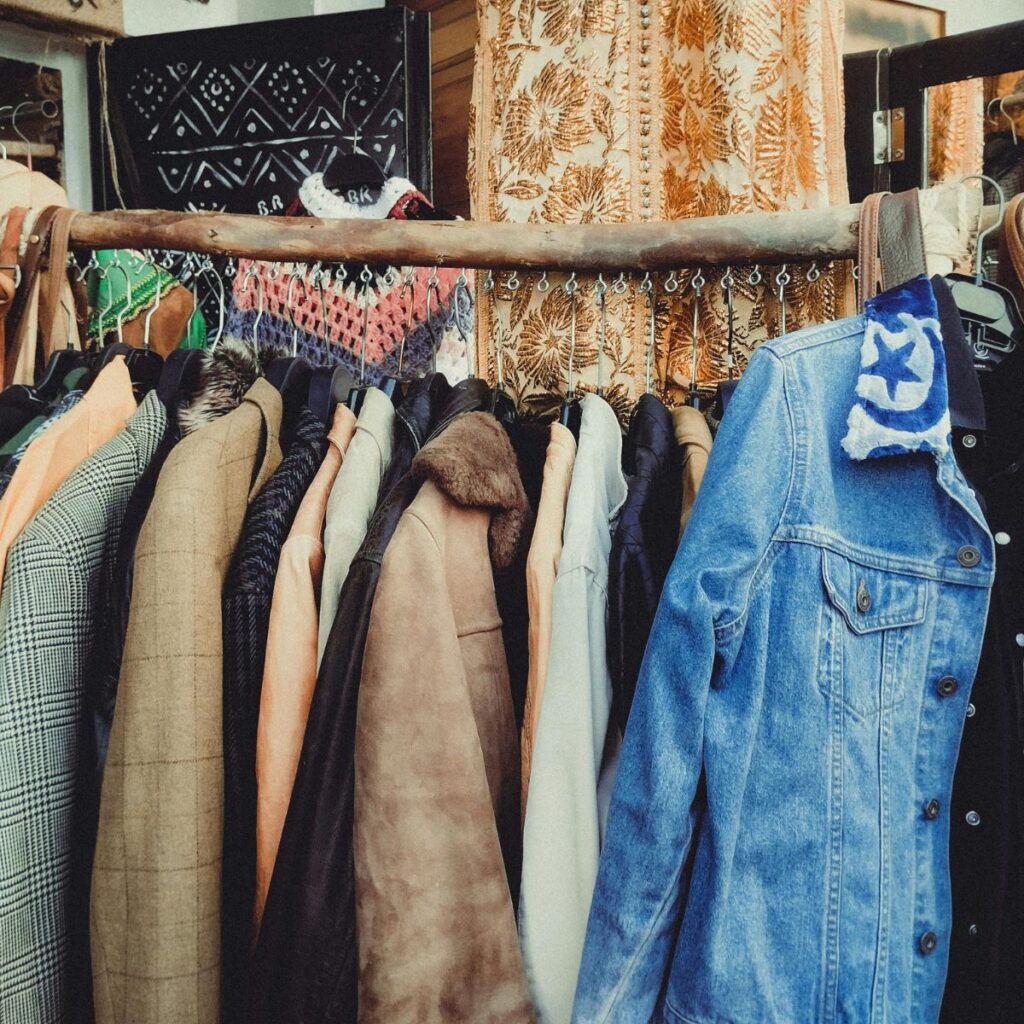
Clothing is one of the first sections I visit because it’s also where I find the most consistent flips. I don’t buy every recognizable brand, though. Instead, I look for vintage denim, leather jackets, premium outdoor brands, wool or cashmere sweaters, quality workwear, band T-shirts, and pieces made from natural fabrics like linen or silk.
Items in excellent condition with timeless styles almost always sell better than trendy fast-fashion pieces. If I can buy a quality jacket for under $10 and resell it for four or five times that amount, it’s an easy decision.
What I leave behind: Worn fast-fashion brands, heavily pilled sweaters, stained clothing, and anything missing buttons, zippers, or with obvious damage.
Retro Video Games Are Always Worth Looking At
Older video games, consoles, and accessories continue to have a loyal following. Even controllers, memory cards, and game cases can be worth picking up if they’re priced right.
These items don’t show up as often as they used to, but when they do, they’re usually worth researching before walking away.
What I leave behind: Scratched discs, broken consoles, or electronics that are missing essential cables unless they’re priced low enough to sell for parts.
I Never Skip the Book Section
Books are inexpensive, easy to ship, and don’t require much storage space. Textbooks, first editions, collectible children’s books, vintage cookbooks, and out-of-print titles are usually the first ones I check.
A quick barcode scan can often tell me whether a book has resale potential in less than a minute.
What I leave behind: Common novels, damaged books with water stains, and outdated reference books that have little demand.
Vintage Kitchenware Still Has a Strong Following
Pyrex, Fire-King, CorningWare, quality crystal, and collectible serving pieces continue to attract buyers. Some discontinued patterns sell for much more than most people expect.
Learning which brands and patterns are collectible takes time, but once you know what you’re looking for, this section becomes much more rewarding.
What I leave behind: Chipped dishes, cracked glassware, or other common kitchen items that are inexpensive to replace.
I Always Browse the Electronics Shelf
Film cameras, camera lenses, turntables, and quality speakers are worth checking every time I thrift. Vintage photography equipment has become especially popular again, and lenses often have value even when the camera body doesn’t.
Whenever possible, I test electronics before buying or at least inspect them carefully for obvious damage.
What I leave behind: Cheap modern electronics, incomplete systems, or anything showing signs of corrosion or battery leakage.
Quality Tools Rarely Stay on the Shelf
Older tools are often built better than many modern versions, which is why buyers continue searching for them. Vintage hand tools, socket sets, woodworking tools, and well-known brands regularly hold their value.
Even tools with minor cosmetic wear can sell well if they’re fully functional.
What I leave behind: Broken tools, heavily rusted pieces, or incomplete sets missing essential components.
My Biggest Rule: I Buy Demand, Not Discounts
One of the biggest mistakes new resellers make is buying something simply because it’s inexpensive. A $2 item that never sells is still a bad purchase.
Instead, I focus on categories I’ve researched and items with proven demand. Before buying something unfamiliar, I check recently sold listings online to see what buyers are actually paying, not what sellers are asking.
The longer you thrift, the less you’ll rely on luck. Over time, you’ll recognize profitable items almost instantly, and you’ll become just as confident walking away from something as you are putting it in your cart.