If you grew up in the 1990s, you probably remember that enjoying music, movies, or video games took a little more work than it does now. There were cables to connect, buttons to press, tapes to rewind, and plenty of moments spent trying to figure out why something wasn’t working.
Back then, a home entertainment setup wasn’t a single smart device. It was a collection of bulky electronics that filled shelves, cabinets, and entire corners of living rooms. Today, with streaming services, wireless speakers, and smartphones replacing most of those gadgets, many of those old systems feel like they belong to another era.
Here are some ’90s entertainment devices that look completely different from what we use now.
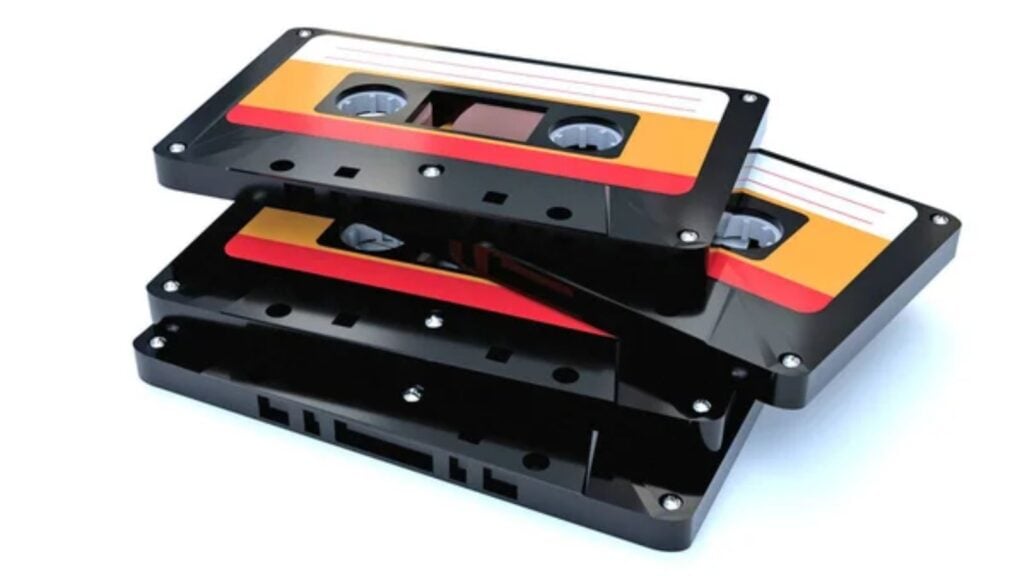
Cassette Tape Deck
Before digital playlists and streaming apps, people made mix tapes. Creating one meant waiting for songs to play on the radio or recording tracks manually, often trying to stop the tape at just the right moment.
Cassette decks were everywhere, from home stereos to car dashboards. While making a mix tape took time, many people remember the effort that went into creating one for friends, family, or someone special.
Related: 15 Vintage Electronics That Collectors Are Paying Big Money For
LaserDisc Player
LaserDisc was once considered a premium way to watch movies at home. The large discs offered better picture and sound quality than VHS tapes, making them popular among movie enthusiasts.
The downside? Those giant discs were not exactly convenient. Many movies required viewers to flip the disc halfway through, something that feels strange in an age where entire seasons of shows are available instantly.
Related: Home Improvements You’ll Wish You Skipped (They Cost More Than They’re Worth)
VHS Rewinder
Rewinding a VHS tape after watching a movie was part of the routine. Some households bought separate rewinding machines to save time and protect their VCRs from extra wear.
A device made specifically for rewinding a tape sounds unusual today, but in the ’90s, it was a common household item.
Related: These 17 Vintage Toys Could Be Worth Hundreds—or Even Thousands
Boom Box
The boom box was a symbol of portable music before smartphones and wireless speakers existed. These large stereos let people carry their favorite songs around, even though they were heavy and took up plenty of space.
Compared with today’s tiny Bluetooth speakers, boom boxes seem almost oversized, but they were a major part of ’90s music culture.
CD Changer
A CD changer was considered a luxury feature for home stereos. Instead of swapping discs after every album, users could load several CDs and let them play one after another.
Now that thousands of songs can fit on a phone, the idea of storing a stack of discs inside a machine feels unnecessarily complicated.
Projection TV
Projection televisions were among the biggest screens available at the time. They offered a theater-like viewing experience but required a large amount of space and careful setup.
These massive units often dominated living rooms. Compared with today’s slim televisions that can hang on a wall, projection TVs feel like a piece of furniture from another generation.
Walkman
The Walkman changed the way people listened to music by making it possible to carry a personal music player anywhere.
Still, it came with limitations. Listeners had to carry tapes, deal with batteries, and manually rewind or fast-forward songs. Skipping directly to a favorite track was far from simple.
For many people, though, the Walkman represented freedom and independence.
Trinitron TVs
Sony’s Trinitron televisions were known for their picture quality and were considered some of the best TVs available.
The problem was size. These tube televisions were extremely heavy and took up a lot of room. Moving one often required multiple people, unlike today’s lightweight flat screens.
Super Nintendo Entertainment System
The Super Nintendo brought countless hours of gaming into living rooms during the ’90s. Its cartridge-based games were simple compared with modern consoles, but they created unforgettable memories.
Getting a game to work sometimes required cleaning the cartridge or reconnecting everything just right. Players had plenty of patience back then.
Wired Surround Sound Systems
A home surround sound system could make movies feel more immersive, but installation was often a challenge.
Speakers needed to be placed around the room, and cables had to be carefully arranged. Modern wireless systems have made the process much easier, leaving those old setups looking like a complicated puzzle.
VHS Camcorder
Recording family events once meant carrying around a large camcorder and keeping track of bulky VHS tapes.
Capturing birthdays, vacations, and school performances required planning because storage space was limited. Today, a phone can record hours of high-quality video while fitting into a pocket.
Nintendo 64
The Nintendo 64 was one of the most memorable gaming consoles of the decade. It introduced many players to 3D gaming, but the experience was very different from modern consoles.
Games came on cartridges, controllers had unique designs, and getting everything connected properly was part of the process.
Analog Stereo Receiver
Many homes had an analog receiver that served as the control center for their entertainment setup. It connected speakers, CD players, cassette decks, and other devices.
With rows of buttons, switches, and inputs, these receivers could feel intimidating. Today, many people expect one simple device to handle everything.
Early DVR Systems
Before streaming made watching shows whenever you wanted normal, early DVR systems changed how people watched television.
They allowed viewers to pause live TV and record programs, but everything still required planning ahead. Forgetting to schedule a recording could mean missing an episode entirely.
CRT Computer Monitors
The classic bulky computer monitor took up a large portion of any desk. These heavy screens were difficult to move and offered nothing close to the sharp displays people use today.
Compared with modern thin monitors and laptops, CRT screens look like they belong in a museum.
The technology of the ’90s helped shape the entertainment we enjoy now, but looking back at those old systems shows just how much everyday life has changed. What once felt advanced now feels like a reminder of a slower, more hands-on era.