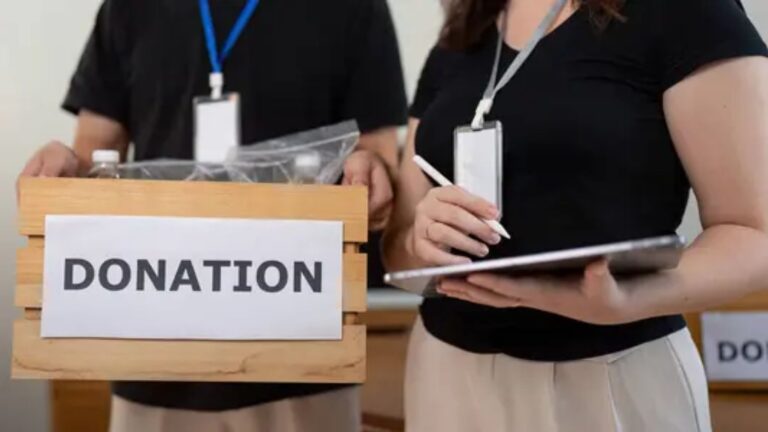
Donating to charity is one of the easiest ways to declutter your home while helping someone else. Most of us drop off a few bags and assume everything will end up on the sales floor or in the hands of someone who needs it.
Charities sort through thousands of donations every week, and not everything can be accepted. Items that are broken, dirty, unsafe, or difficult to sell often create extra work for staff and volunteers. In many cases, organizations have to pay to haul these donations away, taking money away from the programs they’re trying to support.
Before loading up your next donation box, take a few minutes to make sure you’re giving items that can actually be used. These are some of the things charities wish people would stop donating.
Broken Furniture
A wobbly chair or dresser with missing drawers may seem repairable, but most charities don’t have the time, staff, or budget to fix damaged furniture. If it isn’t safe or ready for someone to use, it’s more likely to end up in a dumpster than a showroom.
Related: Bedroom furniture thrift stores can no longer accept
Stained or Torn Clothing
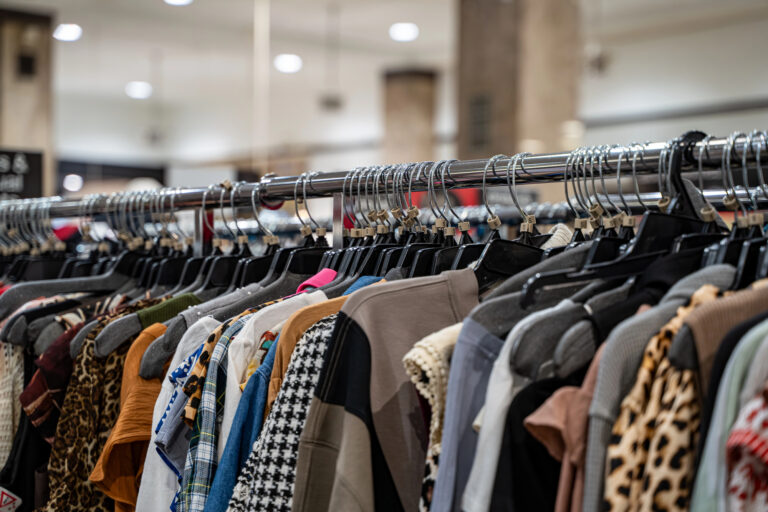
One small stain or ripped seam is often enough to make clothing unsellable. While charities appreciate quality clothing donations, items that are heavily worn, faded, or damaged usually have little resale value and may have to be thrown away.
Used Mattresses
Many people are surprised to learn that used mattresses are one of the hardest items for charities to accept. Health regulations, sanitation concerns, and the cost of transporting them mean many organizations won’t take them at all.
Broken Electronics
Old televisions, computers, printers, and small appliances that no longer work often become a disposal problem instead of a donation. Electronics recycling can be expensive, leaving charities to absorb the cost.
Opened Personal Care Products
Half-used bottles of shampoo, lotion, perfume, makeup, and toiletries generally can’t be redistributed for health and safety reasons. Most charities can only accept unopened products with their original seals intact.
Car Seats
Even if a car seat looks perfectly fine, charities usually can’t verify whether it has been involved in a crash or whether it has expired. Because children’s safety is involved, many organizations simply refuse them.
Recalled Baby Gear
Older cribs, bassinets, walkers, swings, and high chairs may no longer meet current safety standards. If an item has been recalled or doesn’t comply with modern regulations, charities often can’t legally resell it.
Dirty Household Items
Kitchen appliances covered in grease, dusty décor, dirty dishes, and unwashed cookware all require extra cleaning before they can be sold. When volunteers don’t have time to clean every donation, many of these items are discarded.
Incomplete Games and Puzzles
Boxes missing pieces are difficult to sell because buyers expect everything to be included. Taking a few minutes to make sure all the pieces are there can make the difference between an item being sold or thrown away.
VHS Tapes and Outdated Media
While some vintage media still has collector value, most VHS tapes, cassette tapes, encyclopedias, and obsolete software have very little demand today. These items often sit on shelves for months before eventually being discarded.
Related: Do You Own Any of These 5 Rare Disney VHS Tapes? They Could Be Worth a Small Fortune
Broken Toys
Children deserve toys that are safe and complete. Toys with missing parts, broken wheels, cracked plastic, or dead batteries are often rejected because repairing and testing them takes too much time.
Related: 14 Vintage Toys That Are Now Valuable Collectibles
Hazardous Household Products
Paint, pesticides, propane tanks, automotive fluids, cleaning chemicals, and other hazardous materials are usually not accepted due to environmental regulations and safety concerns. These items require specialized disposal instead.
Used Pillows and Bedding
While clean sheets and blankets are often welcome, heavily used pillows, stained comforters, and worn mattress pads are another story. Hygiene concerns mean many charities simply can’t redistribute them.
Bags of Random Miscellaneous Items
One of the biggest challenges for donation centers is receiving boxes filled with loose cords, unidentified hardware, random kitchen gadgets, broken décor, and miscellaneous household items. Volunteers have to sort every piece individually, and many of these items never make it onto the sales floor.