Aluminum foil is one of those kitchen staples we reach for without giving it much thought. It makes cleanup easier, works well for grilling and roasting, and can turn almost anything into a convenient foil packet.
But foil isn’t necessarily the best cooking surface for every ingredient. Acidic and salty foods, in particular, can interact with aluminum when they’re in direct contact with it, especially when heat and moisture are involved. That interaction can sometimes affect the foil and leave food with an unpleasant metallic taste.
You don’t necessarily have to give up aluminum foil altogether. In many cases, simply putting parchment paper between the food and foil or switching to glass, ceramic, stainless steel, or another suitable cooking surface solves the problem.
Here are nine foods you may want to stop cooking directly in aluminum foil.
Tomatoes
Tomatoes are naturally acidic, which makes direct contact with aluminum foil less than ideal for roasted tomatoes, tomato-heavy casseroles, and saucy dishes. Instead, reach for glass, ceramic, enamel, or stainless steel cookware, especially when the tomatoes will be cooking for an extended period.
Related: Why Gardeners Are Putting Baking Soda on Their Tomatoes
Citrus Fruits
Lemon, lime, orange, and grapefruit juices contain plenty of acid, so wrapping citrus-marinated foods tightly in aluminum foil can potentially affect the foil and introduce an unwanted metallic flavor. If you’re making lemon fish, citrus chicken, or another foil-packet meal, put parchment between the food and foil or use a glass or ceramic baking dish instead.
Vinegar-Based Foods
Foods containing plenty of vinegar, including vinegar-heavy marinades and pickled or fermented ingredients, aren’t great candidates for prolonged direct contact with aluminum foil. A glass or ceramic dish is generally a better choice when you’re cooking something particularly tangy or leaving it in an acidic marinade for an extended period.
Heavily Salted Foods
Salt is another reason to reconsider wrapping certain foods directly in aluminum foil, particularly when moisture and heat are also involved. For heavily salted meats, vegetables, marinades, and other salty dishes, using parchment as a barrier or choosing another type of cookware can help prevent unnecessary interaction with the aluminum.
Berries
Strawberries, raspberries, blackberries, and many other berries contain natural acids and release plenty of juice as they cook. A glass or ceramic baking dish is a better option for cobblers, crisps, baked berries, and other juicy fruit desserts, and it can also prevent delicate berries from becoming unnecessarily trapped and steamed inside foil.
Rhubarb
Rhubarb’s famously tart flavor comes with plenty of acidity, making aluminum foil a poor surface for cooking it directly. Whether you’re preparing a crumble, compote, pie filling, or another rhubarb dessert, glass, enamel, ceramic, or stainless steel cookware will usually be a better fit.
Apples With Lemon or Other Acidic Ingredients
Apples themselves contain natural acids, but the concern becomes more relevant when they’re combined with ingredients such as lemon juice and then cooked directly against foil. For baked apples and campfire-style apple packets, use parchment as a barrier or prepare them in a baking dish so you can still get that soft, caramelized result without direct foil contact.
Peppers in Acidic Marinades
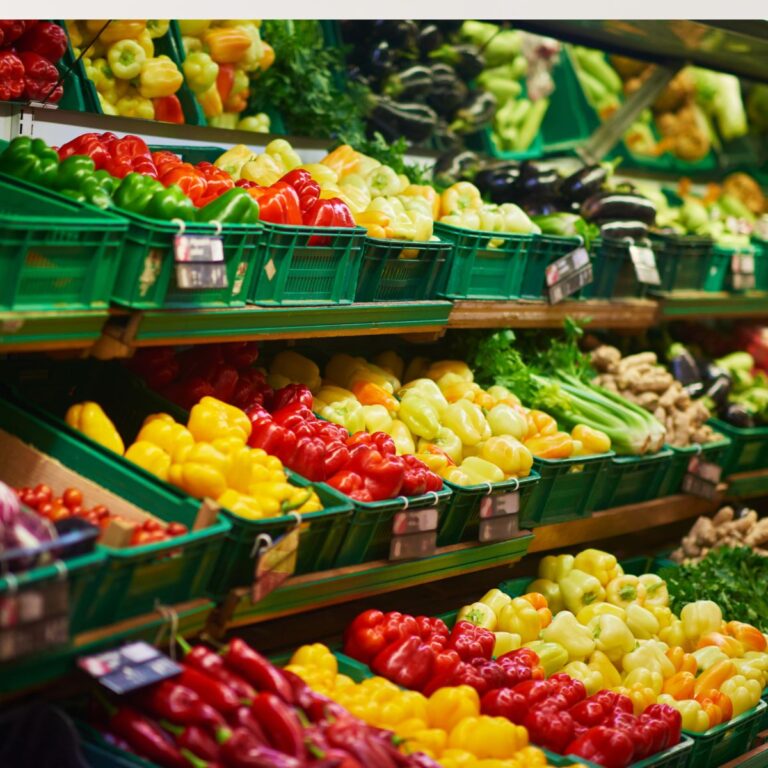
Plain bell peppers can certainly be roasted on a regular baking sheet, but peppers coated in acidic marinades containing ingredients such as vinegar, citrus juice, or tomato are better kept from prolonged direct contact with aluminum foil. Try roasting them on parchment, in a cast-iron skillet, or in another appropriate baking dish instead.
Eggplant With Tomato or Vinegar
Eggplant frequently appears in recipes alongside acidic ingredients such as tomatoes, lemon juice, and vinegar, which can make tightly wrapping the entire mixture in aluminum foil less appealing. Cooking eggplant on parchment, in a skillet, or in a baking dish also gives you more control over browning rather than trapping all that moisture inside a foil packet.