Estate decluttering isn’t just for people who are planning to move or downsize. It’s about making thoughtful decisions now so your loved ones aren’t left sorting through years of belongings later.
A recent Talker Research survey commissioned by 1-800-GOT-JUNK? found that 58% of Americans have had to clear out a relative’s home after they passed away. More than half (56%) said dealing with all those belongings made it harder to fully grieve. At the same time, 51% of people said they’d rather inherit just a few meaningful items than an entire household of possessions.
If any of these signs sound familiar, it may be time to start estate decluttering.
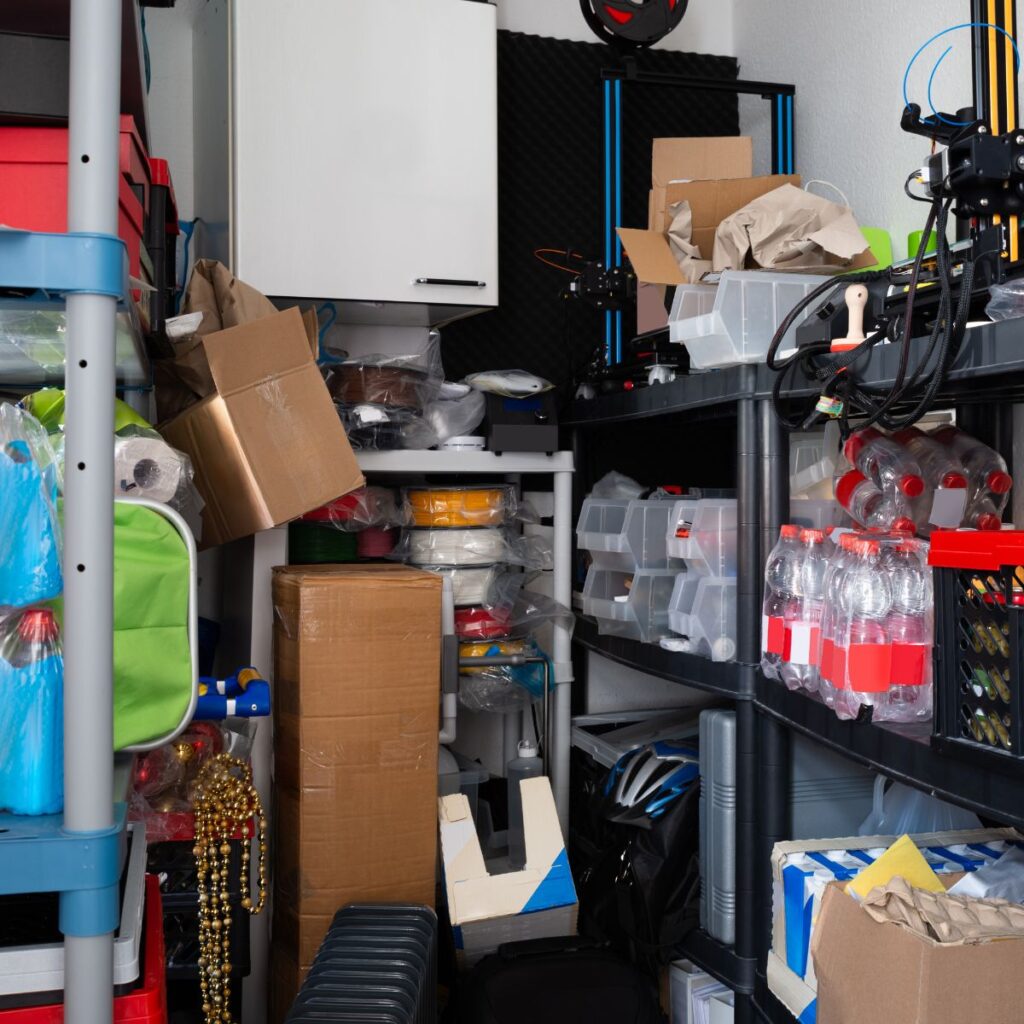
Your Closets, Attic, or Garage Are Filled With Boxes
If you have boxes you haven’t opened in years, there’s a good chance many of the items inside are no longer needed. Sorting through them now is much easier than leaving the job to someone else later.
You Keep Saying “I’ll Deal With It Someday”
Estate decluttering is one of those projects that’s easy to postpone. Unfortunately, waiting often makes the process more overwhelming for both you and your family.
You Have Family Heirlooms No One Has Claimed
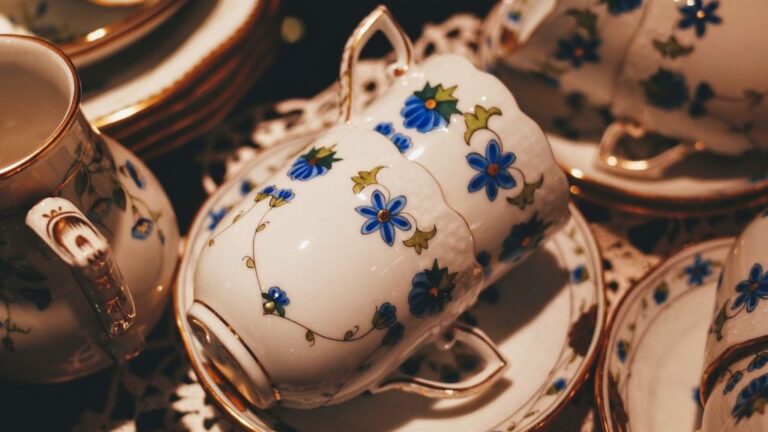
China, furniture, quilts, collectibles, and antiques may be meaningful to you, but it’s worth asking whether anyone in your family actually wants them. Having those conversations now can prevent difficult decisions later.
Related: 14 Family Heirlooms People Accidentally Throw Away All the Time
You Can’t Remember What’s in Storage
If you have bins, spare rooms, or storage units filled with belongings you rarely think about, it’s probably time to revisit what’s actually worth keeping.
Your Home Feels Overcrowded
When every shelf, closet, and cabinet is full, it becomes harder to enjoy your home. Estate decluttering isn’t just about the future; it can make everyday life feel lighter too.
You Have Important Family Stories That Haven’t Been Shared
A piece of jewelry or an old photograph means much more when people know the story behind it. Estate decluttering is the perfect opportunity to pass along family history while you’re still able to tell it.
You’re Holding Onto Things Out of Guilt
Many people keep gifts, inherited belongings, or family items simply because throwing them away feels wrong. But keeping everything out of guilt often creates unnecessary clutter without honoring the memories attached to it.
Your Children Have Already Said They Don’t Want Everything
Many adult children appreciate a few meaningful keepsakes but don’t want an entire household of belongings. The survey found that nearly half of Americans would rather inherit nothing than be responsible for sorting through everything.
You Have Multiple Copies of the Same Thing
Extra dishes, duplicate furniture, old linens, or several sets of kitchenware often accumulate over the years. Keeping your favorites while donating the extras can free up significant space.
You Haven’t Updated Important Documents
Estate decluttering isn’t just about physical belongings. Organizing wills, insurance policies, financial records, and family documents makes life much easier for loved ones when they need them most.
Related: Estate Sale Bundle Template – Editable Canva Signs, Flyer, Tracker & Printable Kit
You’re Paying to Store Things You Never Use
Storage units often become long-term homes for items no one actually needs. If you’re paying month after month for belongings you haven’t touched in years, it may be time to decide what’s worth keeping.
You Worry About Leaving a Burden Behind
Many people begin estate decluttering because they don’t want their family to spend weeks or months sorting through decades of possessions. That’s one of the greatest gifts you can leave your loved ones.
You Have Rooms Filled With “Someday” Items
Craft supplies, hobby equipment, old furniture, or unfinished projects often stay because of good intentions. If “someday” has turned into several years, it may be time to reevaluate whether those items still deserve the space.
You Want Your Family to Remember You—Not Your Clutter
The survey found that people value meaningful keepsakes far more than large quantities of belongings. A handwritten recipe, favorite photograph, or treasured heirloom often leaves a much stronger legacy than a house full of possessions.