Donation centers receive a steady stream of bags, boxes, and household items all year long. But some donations are far more useful than others. Thrift stores need items people actually shop for, especially affordable clothing, furniture, kitchen supplies, home goods, and everyday household basics.
If you have things sitting around your home that you no longer use, donating them can be a great way to clear some space while giving those items another chance to be useful.
Large items can be harder to deal with, especially if you don’t have a truck or someone available to help move them. In some areas, The Salvation Army offers free pickup services for furniture and other qualifying donations, so you may not have to haul everything yourself.
Here are some donations that are often in demand.
Furniture That’s Still in Good Shape
Good furniture can be expensive, which is why secondhand pieces are popular with shoppers furnishing a home on a budget.
Sofas, dining tables, chairs, desks, coffee tables, dressers, and bed frames can all be useful donations if they’re clean and in good condition. Before donating, check for broken parts, major stains, pet damage, or other problems that could keep the item from being sold.
If you have a large piece that’s difficult to transport, check whether your local Salvation Army offers furniture pickup. Availability and accepted items can vary by location.
Home Decor for a Fresh Look
Home decor is another category that can move quickly, particularly during spring cleaning and home refresh season.
Lamps, mirrors, artwork, vases, curtains, throw pillows, and decorative accessories can give shoppers an inexpensive way to change the look of a room. Pieces in neutral colors and classic styles tend to work well in many different homes.
Before donating, give everything a quick cleaning and make sure lamps and other electrical items are working properly.
Books, Toys, and Family Finds
Books and children’s items can be great donations because families are often looking for inexpensive ways to keep kids entertained.
Paperback novels, cookbooks, children’s books, puzzles, games, and gently used toys can all find new homes through thrift stores.
Children’s books can be especially useful for families who don’t want to pay full price for books their kids may outgrow quickly.
Check toys and games for missing pieces before donating. A complete puzzle or board game is much more useful than one that’s missing half its parts.
Sports Gear and Bikes
Spring and summer bring plenty of outdoor activities, which also means families start looking for affordable sports equipment.
Bicycles, baseball gloves, soccer equipment, skateboards, tennis rackets, and other recreational gear can be useful donations. Kids can outgrow sports equipment quickly, so buying used can save families quite a bit of money.
Make sure bikes and other equipment are in safe, usable condition. Helmets should also be checked carefully, since damaged or heavily worn protective gear may not be appropriate for another person to use.
Outdoor and Gardening Items
Once people start spending more time outside, gardening and patio items become much more useful.
Garden tools, planters, flower pots, hoses, patio chairs, folding tables, and outdoor decorations can all be worth donating. Someone starting their first garden may be happy to find a $3 hand trowel or inexpensive planter at a thrift store instead of buying everything new.
Clean up dirt from pots and tools before donating. Make sure hoses and other equipment are free from major leaks or damage.
Related: If You’re Decluttering and Have These 13 Items, Thrift Stores Probably Won’t Take Them
Small Appliances and Working Electronics
Working appliances and electronics can be useful for people who need household items without paying new retail prices.
Fans, microwaves, coffee makers, mixers, televisions, lamps, and similar items may be accepted at some Salvation Army locations. Policies vary, so check with your local store before loading up your car.
Anything you donate should be clean and in working condition. If an appliance has a missing cord, damaged plug, cracked housing, or another major problem, ask the donation center whether they can accept it.
Functional electronics and appliances can also be useful for people looking for older equipment.
Seasonal Clothing
Clothing is one of the most common thrift store purchases, and seasonal pieces can be especially useful.
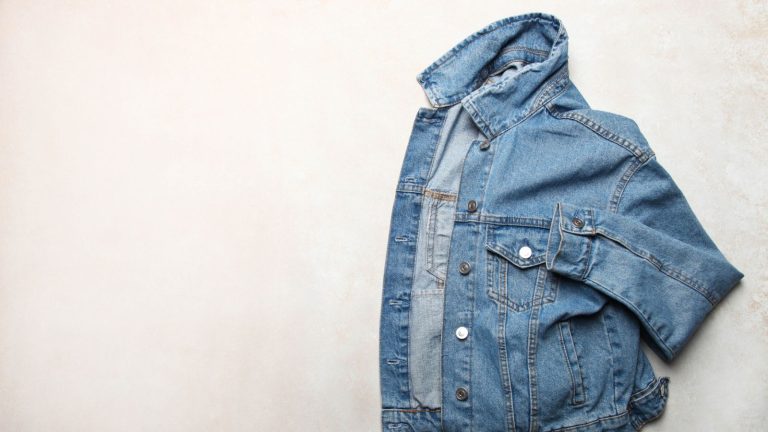
As temperatures rise, shoppers start looking for lightweight jackets, jeans, dresses, shorts, activewear, shoes, and everyday basics. Children’s clothing is also popular because kids can move through sizes quickly.
Before donating clothes, check pockets, remove pet hair, and wash anything that needs it. Clothing that’s clean and ready to wear is much more likely to be useful to someone else.
Kitchen Basics
Kitchen items are another practical donation. People moving into their first apartment, furnishing a home, or replacing worn-out items often turn to thrift stores for affordable cookware and dishes.
Pots, pans, baking dishes, plates, bowls, glasses, silverware, mixing bowls, and small appliances can all be useful. A complete set is great, but individual pieces can also find a new home.
Give everything a good wash before donating and check cookware for severe damage or loose handles.
You Can Even Donate Your Car
A vehicle sitting in your driveway that you no longer need may also be eligible for donation. The Salvation Army accepts vehicle donations in many areas, including cars and trucks, with proceeds supporting its programs and services.
Vehicle donation and pickup rules vary by location, so check with The Salvation Army before making arrangements. In some areas, pickup can be scheduled if you aren’t able to bring the vehicle in yourself.
Donating a car can be a practical way to get an unwanted vehicle off your hands while helping support programs in your community.
A Quick Check Before You Donate
Before loading everything into your car, take a few minutes to check your local donation center’s current rules. Donation policies can vary from one location to another, and some stores have restrictions on large furniture, electronics, mattresses, appliances, or other household goods.
A good rule is to donate items that are clean, complete, and still useful. If something is broken, heavily damaged, stained, or unsafe, it may be better suited for recycling or another type of disposal.
That little bit of sorting can save you a wasted trip and gives the donation center items that shoppers can actually use.