Most parents spend years collecting things with the hope that their children will someday appreciate them. Maybe it’s the china cabinet filled with dishes reserved for holidays, a closet full of old clothes, or boxes of family photos tucked away in the attic.
But adult children may see those same belongings very differently. They may live in a smaller home, have little storage, or simply prefer a more practical style. When they inherit an entire house full of possessions, the emotional part can quickly get mixed with the reality of sorting, moving, donating, selling, and disposing of everything.
That doesn’t mean your belongings have no value. It just means your kids may not want all of them. A few meaningful pieces can carry plenty of family history without leaving them with dozens of boxes to deal with.
Here are some of the things adult children may be least interested in inheriting.
Crystal and Silverware
Crystal glasses and silver serving pieces used to be common wedding gifts and holiday staples. They were brought out for special dinners, carefully washed, and stored away until the next occasion.
Many younger adults simply don’t use these things. They may prefer everyday dishes and glasses that can go straight into the dishwasher without special care. Silver also comes with the added chore of polishing it, which makes a large inherited set even less appealing.
If there are a few pieces with a real family story behind them, those may be worth passing down. An entire cabinet full of them is another matter.
Related: 18 Things Goodwill Gets Way Too Many Of
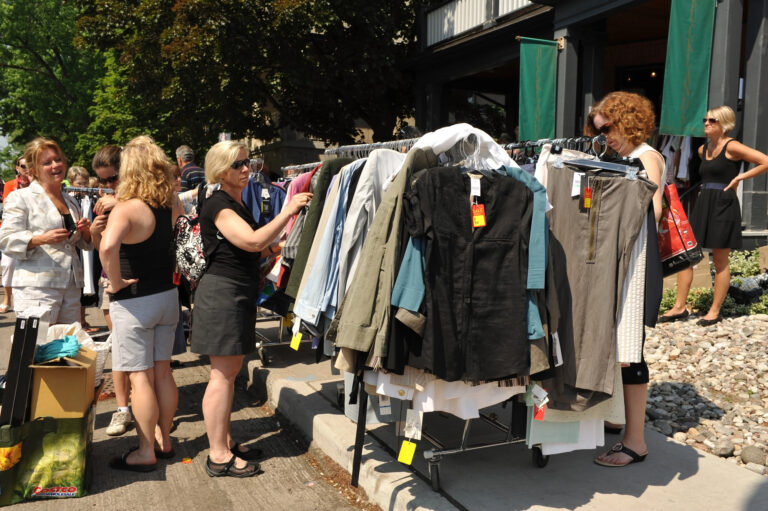
Outdated Clothing
A closet full of old clothing can be surprisingly difficult for adult children to deal with. Closets full of old clothing may contain decades of different sizes, styles, and fabrics, much of which no longer fits or feels wearable.
Unless something is genuinely valuable, vintage, or tied to a special memory, most of it probably won’t be wanted.
A favorite coat, wedding dress, or other meaningful piece might be worth saving. There’s little reason to expect your children to take home every garment you’ve accumulated over the years.
Fine China and Formal Dinnerware
That beautiful china set may have been one of your most prized possessions, especially if it was a wedding gift or something handed down through your own family.
The problem is that many families rarely host formal dinners anymore. Delicate plates that need to be washed by hand can seem like more work than they’re worth, especially for someone who already has a full set of everyday dishes.
A few pieces may still hold sentimental value, but your children may have no use for 12 place settings, serving bowls, gravy boats, and matching cups.
Large, Heavy Furniture
Oversized furniture can create an immediate problem after a parent passes away. Someone has to move it, find a place for it, or figure out how to sell or donate it.
Large dining tables, hutches, armoires, entertainment centers, and recliners may have worked perfectly in a spacious family home but can be difficult to fit into a smaller house or apartment.
Even beautiful antique furniture can become a burden if nobody has the room for it.
If a particular piece has real family meaning, talk with your children about who might want it. That conversation can prevent a lot of last-minute decisions later.
Boxes of Old Photos
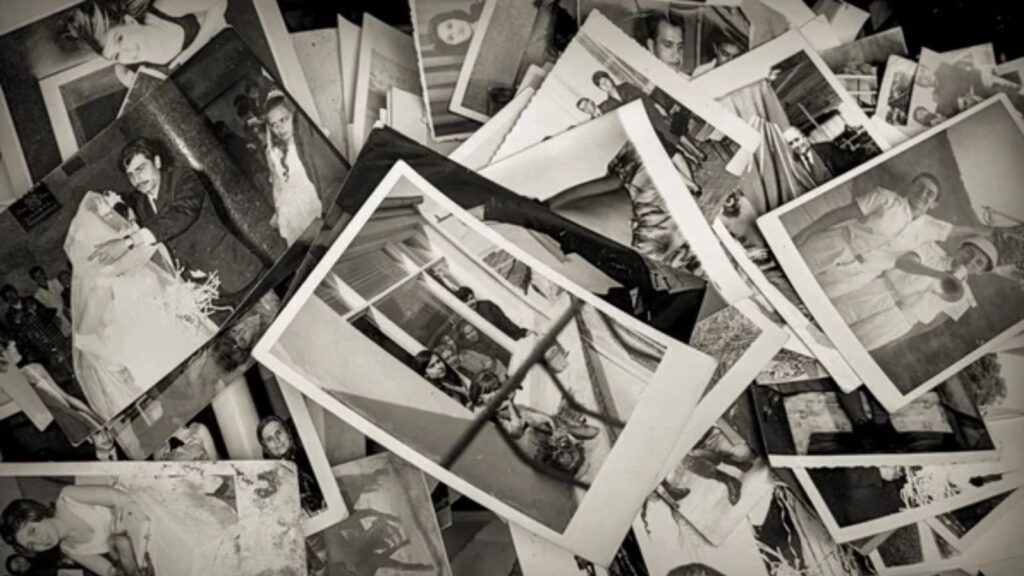
Family photographs are a different kind of possession because the memories behind them can be priceless. The problem starts when adult children receive several boxes of loose photographs with no names, dates, or information about who is pictured.
A photo of a smiling stranger may mean everything to you because you know exactly who they were. Your children may have no idea.
Going through old photographs while you’re still able to identify people can make them far more useful to the next generation. Scanning favorite pictures and adding names or dates can also save your family from having to guess later.
Collections Nobody Else Cares About
Collecting can be a wonderful hobby, but your family may not share that same interest. Figurines, porcelain dolls, commemorative plates, stamps, coins, and other collections can take years to build and only a few hours to become a huge sorting project.
The emotional value belongs to the collector, and that’s perfectly fine. But your children may not feel the same way about 20 boxes of figurines.
If your collection has monetary value, it can help to leave information about what you have and where it came from. If it’s mainly sentimental, picking a few favorites to pass down may be easier for everyone.
Related: The Old Penny Is Now the Coin Collectors Are Looking for the Most
Old Electronics
VCR players, cassette decks, old computers, printers, tangled cords, outdated cell phones, and random chargers tend to accumulate in garages and drawers.
They can also become a headache for adult children who have to figure out whether anything still works, whether it has personal information stored on it, and how to dispose of it properly.
Some older electronics may have collector value, but most outdated devices aren’t worth much. If you have equipment you haven’t used in years, it may be better to deal with it now rather than leave your kids with a pile of old technology.
Related: 12 Old Electronics That Are Now Considered Vintage
Expired Paperwork and Filing Cabinets
Paperwork can be one of the most stressful things for a family to sort through after a death. Old tax documents, receipts, appliance manuals, warranties, insurance papers, and years of miscellaneous mail can fill entire filing cabinets.
Your children may have to examine everything just to figure out what should be kept and what can be shredded.
Going through old files ahead of time makes the process much easier. Keep current records and documents your family may actually need, and get rid of paperwork that no longer serves a purpose.
Holiday Decorations
Holiday decorations can carry plenty of memories. That handmade ornament from your child’s first Christmas or the decorations your parents gave you may be worth keeping.
The problem is the sheer amount of seasonal stuff that can accumulate over decades.
Several bins of artificial trees, worn-out wreaths, tangled lights, old ornaments, and decorations for every possible holiday may be more than your children have room to store. They may already have their own decorations and traditions.
Keeping the pieces that have a story behind them makes more sense than expecting your kids to take every Christmas box home.
Storage Units Full of Forgotten Items
A storage unit can become one of the most expensive things a family inherits. If you’ve been paying monthly rent for years, there may be boxes inside that nobody has opened in a very long time.
Adult children may have to pay the bill while sorting through furniture, old appliances, clothing, paperwork, and miscellaneous belongings.
If you can’t remember what’s in your storage unit, that’s probably a good sign that it’s time to take another look. The money spent storing forgotten possessions could often be put to better use.
Old Books and Encyclopedias
There was a time when having a large home library was something to be proud of. Today, many people simply don’t have the room for hundreds of books.
Encyclopedias and outdated reference books can be especially difficult to pass along because much of the information is now available online.
That doesn’t mean your favorite books have to go. A small collection of books that hold personal meaning is much easier for your children to keep than an entire wall of volumes they never plan to read.
Random Keys With No Explanation
Almost every family has a drawer full of mystery keys.
There may be keys for an old house, a shed that no longer exists, a filing cabinet, a padlock, a storage unit, or something nobody can identify anymore.
Those keys become surprisingly frustrating after someone else has to sort through them. If a key is still needed, label it. If you have no idea what it opens and haven’t used it in years, it probably doesn’t need to become your children’s problem.
Outdated Media Collections
CDs, DVDs, cassette tapes, and VHS tapes can take up a surprising amount of space. Your children may keep a handful of movies, albums, or recordings because they remind them of growing up, but entire shelves of physical media are harder to justify.
If there are home videos or recordings that your family would hate to lose, those are worth preserving before the technology needed to play them becomes harder to find.
For ordinary movies and music, your children may have little interest in keeping the collection intact.
Unorganized Digital Accounts and Passwords
Not everything your children inherit will fit inside a box.
Old email accounts, social media profiles, cloud storage, subscriptions, computers, phones, online photo libraries, and financial accounts can all create problems if nobody knows how to access them.
A list of important accounts and instructions for accessing them can save your family a great deal of frustration. It also gives you a chance to decide what information and digital memories you actually want preserved.
Your children may not want every possession you’ve collected over the years, and that’s okay. The things they treasure most are usually the ones that carry a story, a memory, or a genuine connection to the family.
Clearing out some of the excess now gives everyone more freedom later. It also lets you decide what happens to your belongings instead of leaving your children to make hundreds of difficult decisions on their own.