There’s a certain relief that comes with finally getting into your hotel room after a long day of travel. You drop your bags, kick off your shoes, and start thinking about dinner or getting some much-needed rest.
Before settling in, though, it’s worth spending a few minutes checking the room. A quick inspection can help you spot a problem while it’s still easy to fix, find a broken outlet, or make sure you haven’t walked into a room with an unwanted pest problem.
Here are 12 things experienced travelers often do shortly after getting their room key.
Look Around the Room Carefully
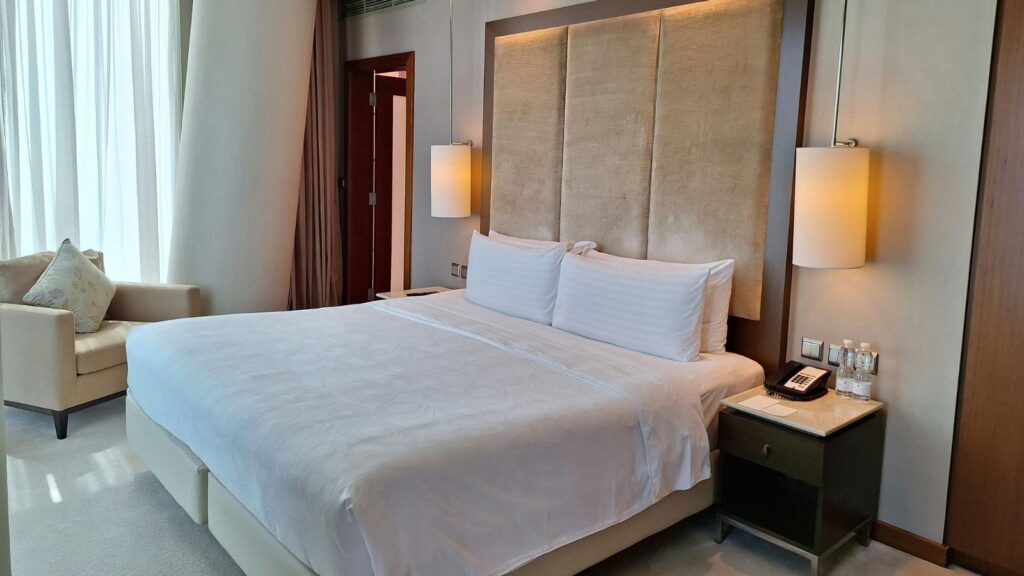
Before unpacking, take a quick look around the room. Check the closet, behind the curtains, under the bed, around the furniture, and inside the bathroom.
Most hotel rooms will be perfectly fine, but a quick look can help you spot anything unusual before you get comfortable. It can also be reassuring if you’re traveling alone or arriving at the hotel late at night.
Related: 14 Things You Should Never Do in a Hotel Room
Check for Bed Bugs Before Unpacking
Nobody wants to think about bed bugs on vacation, but checking for them takes only a few minutes. Travelers can accidentally carry these pests from one property to another, so even expensive hotels aren’t completely immune.
Before putting your luggage on the bed, pull back the sheets and inspect the mattress seams, corners, headboard, and nearby areas. Look for small dark spots, shed skins, or tiny stains.
Some travelers keep their luggage in the bathroom while doing this initial check. Tile and other hard surfaces are less convenient for bed bugs than upholstered furniture and carpeting.
Related: 5 Warning Signs You Might Have Bed Bugs in Your Bed
Test the Important Things
It’s frustrating to discover that the air conditioner doesn’t work after you’ve unpacked everything, or that the shower only produces cold water when you’re already ready for bed.
Spend a few minutes testing the basics. Turn on the lights, check a few outlets, run the faucets, flush the toilet, and make sure the air conditioning or heating is working. You can also check the television, refrigerator, and other amenities you plan to use.
If something is wrong, report it right away. It’s much easier for the hotel to fix a problem or move you to another room before you’ve spread your belongings everywhere.
Make Sure the Door Locks
Hotel room doors are supposed to lock automatically, but it never hurts to check.
After entering the room, close the door completely and test the handle. Check that the deadbolt and any additional latch work properly. If you’re unsure whether the door is locking correctly, call the front desk rather than ignoring the issue.
It takes less than a minute and can give you much more peace of mind during your stay.
Find the Emergency Exits
Take a look at the evacuation map posted inside the room and figure out where the nearest stairwell is. You might never need to use it, but trying to find an exit during an emergency is much harder if you’ve never paid attention to where it is.
Some frequent travelers also count the number of doors between their room and the nearest stairwell. That can be useful if a fire, power outage, or heavy smoke makes it difficult to see the signs later.
Wipe Down Frequently Touched Surfaces
A hotel room can look spotless while still having plenty of frequently touched surfaces. If you prefer to take an extra precaution, wipe down areas such as the remote control, light switches, door handles, telephone, and bedside table.
You don’t have to clean the entire room yourself. A few high-touch areas are usually enough for travelers who want a little extra peace of mind, particularly during cold and flu season.
Check the Alarm Clock
An alarm set by a previous guest can be a nasty surprise, especially if you’ve just traveled across several time zones and need sleep.
Check the alarm clock as soon as you arrive. If you don’t plan to use it, turn the alarm off. Some travelers skip the clock entirely and use their phone for alarms so there’s no chance of being woken up at an unexpected hour.
Put Valuables Somewhere Secure
Passports, cash, jewelry, spare credit cards, and other small valuables shouldn’t be left scattered around the room.
If the hotel provides a safe, check that it works before putting anything inside. A room safe isn’t a guarantee against theft, but it can keep valuables out of sight and make them harder to grab casually.
It’s also a good idea to keep important items together so you know exactly where they are when it’s time to leave.
Check the Bathroom and Towels
Give the bathroom a quick inspection before you start using it. Look at the towels, sink, shower, toilet, and counter for anything that housekeeping may have missed.
A stray hair or stained towel is much easier to deal with before you’re already in the shower. If something isn’t clean, call the front desk or housekeeping and ask for a replacement.
Related: 12 Things Hotel Housekeeping Notice The Second They Walk Into Your Room
Find the Charging Outlets
Finding out that your phone is almost dead and the only convenient outlet is hidden behind a nightstand is a frustrating way to end the day.
Locate the outlets near the bed and desk as soon as you arrive. Plug in your phone, laptop, or other devices if they need charging. This is also a quick way to discover whether an outlet is actually working.
If you brought an adapter or charging block, keeping it in one spot can also make packing up at the end of your stay much easier.
Wash the Hotel Glasses Before Using Them
Hotel glasses and mugs may look clean, but travelers sometimes prefer to give them a quick wash before using them. Housekeeping routines vary, and drinking glasses may not always receive the same attention as other parts of the room.
A quick wash with hot water and soap takes very little time. If the room has disposable cups, some guests prefer using those instead.
Put the “Do Not Disturb” Sign on the Door
If you don’t want housekeeping or other hotel staff knocking while you’re sleeping, resting, or spending time in the room, put the “Do Not Disturb” sign on the door.
Some travelers also use it when they leave the room for a short period, though hotel policies differ on when housekeeping may enter. If you’re staying somewhere unfamiliar, check the property’s policy rather than assuming the sign means nobody can enter under any circumstances.
For solo travelers, keeping the sign up can also reduce unnecessary interruptions during the stay.
A few minutes spent checking the room can make the rest of your stay much easier. Once you know the door locks, the essentials work, your belongings are secure, and everything looks clean, you can finally put your bags down and relax.