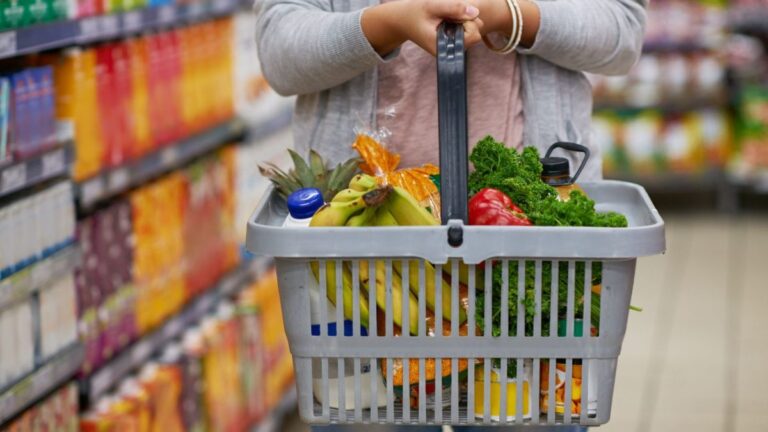
When groceries cost this much, I don’t want to buy an ingredient for one recipe and then watch the rest of it sit in the refrigerator until it goes bad. More shoppers seem to be thinking the same way and planning meals around ingredients they can use more than once.
A recent survey by the Idaho Potato Commission found that 60% of Americans now build their weekly meal plans around ingredient overlap. In other words, they’re looking for groceries that can pull their weight across several meals instead of serving one purpose.
Shoppers Are Planning Meals Differently
Instead of deciding on seven completely separate dinners and buying a different set of ingredients for each one, people are finding ways to carry ingredients from one meal into the next. That might mean buying potatoes for dinner knowing they’ll also become breakfast potatoes, or using rice as a side one night and the base of another meal later in the week.
The survey found that 26% of respondents are now specifically choosing ingredients that work across multiple meals. It’s a simple strategy, but it can help reduce the number of specialty ingredients you buy and never finish.
Versatility Is Becoming a Bigger Deal
For many shoppers, an ingredient needs to do more than taste good or fit one recipe. Nearly two-thirds of respondents (63%) said the ability to use a single ingredient across breakfast, lunch, and dinner is an essential or strong factor in whether it earns a regular place in their grocery cart.
That’s where basic staples become particularly useful. Eggs, potatoes, rice, pasta, and beans can all be prepared in completely different ways, making it easier to build several meals around the same handful of groceries.
Food Waste Is Part of the Equation
Stretching groceries isn’t only about getting more meals from your budget; it’s also about actually eating what you buy. Minimizing food waste was an important consideration for 73% of respondents, while 72% pointed to shelf life when deciding which foods to purchase.
Ingredient overlap can help with both. When you already know how the remaining half of an ingredient will be used, there’s less chance of discovering it spoiled in the refrigerator a week later.
Americans Are Leaning More on Versatile Staples
The survey also found that shoppers are increasingly relying on foods that naturally lend themselves to multiple meals. Eggs led the way at 38%, followed by potatoes at 37%, rice and pasta at 35%, and beans at 27%.
These ingredients make this strategy practical because they don’t lock you into one particular recipe. You can change the seasonings, add whatever vegetables or proteins you already have, and turn the same basic ingredient into something completely different.
Potatoes Ranked Highest for Versatility
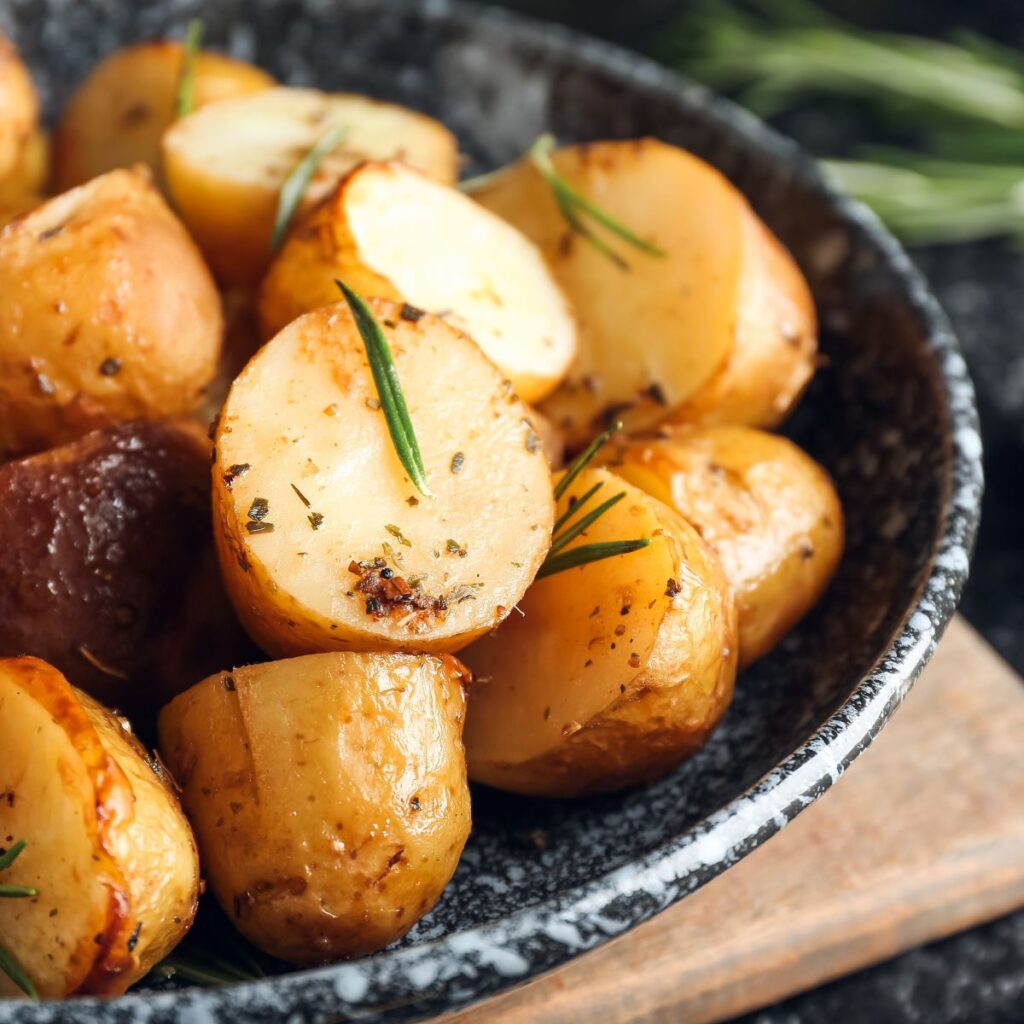
When respondents were asked which ingredients they considered versatile staples, potatoes came out on top at 40%. Among regular potato buyers, 82% rated them as good or excellent for versatility across different types of meals.
That versatility is what makes an ingredient useful when you’re trying to stretch groceries. The same bag can become baked potatoes, soup, breakfast potatoes, mashed potatoes, or a simple side without requiring you to buy another main ingredient.
The Goal Is to Make Everything in the Cart Work Harder
You don’t necessarily need an elaborate meal plan to shop this way. Before buying an ingredient, simply ask yourself: What else can I make with this?
If you can immediately think of two or three meals, it’s probably a better addition to your cart than something you’ll use once and forget about. With 60% of Americans surveyed already planning around ingredient overlap, making groceries stretch further may be less about finding the cheapest food and more about getting more use from everything you buy.