Buying fresh produce feels great until you open the fridge a few days later and find wilted greens, mushy cucumbers, or fruit that’s suddenly far too ripe.
Storage has a lot to do with how long produce lasts. Some fruits and vegetables release ethylene, a natural gas that speeds up ripening. Other produce is very sensitive to ethylene, so keeping the two together can shorten its shelf life.
Moisture, temperature, and airflow also matter. Keeping certain foods apart can help you get more days out of the groceries you already paid for.
Here are 14 produce pairings worth keeping separate.
Apples and Bananas
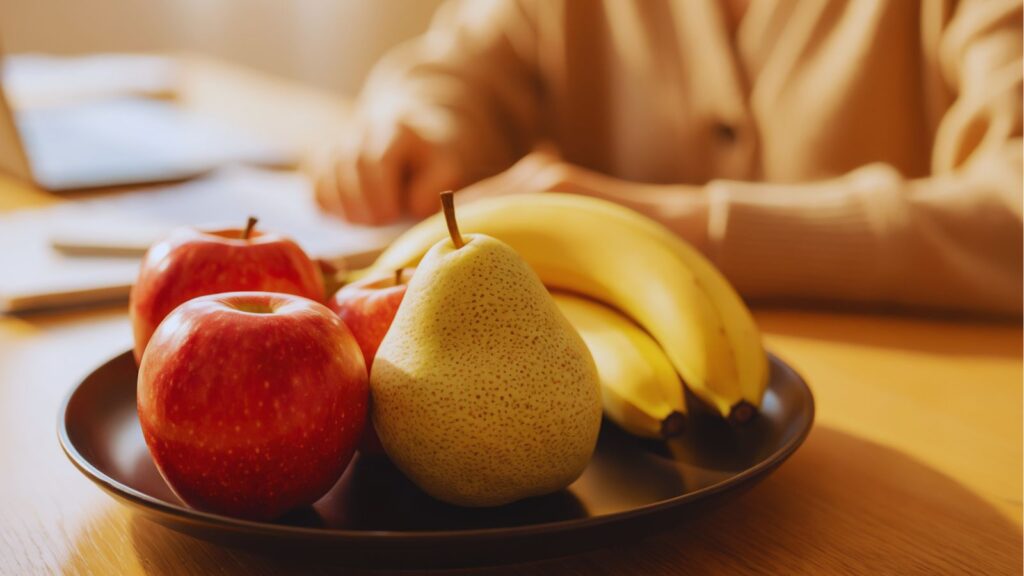
Apples and bananas both release ethylene as they ripen. Keeping them together can speed up the ripening process, which means your bananas may go from perfectly yellow to heavily spotted sooner than expected.
If you like to buy bananas a little ahead of time, storing them away from apples can give you more time to eat them.
Related: Banana Peels Might Be One of the Most Underrated Kitchen Items
Tomatoes and Cucumbers
Tomatoes produce ethylene, while cucumbers can be sensitive to it. Keeping them together may cause cucumbers to lose some of their firmness and crisp texture sooner.
There’s nothing wrong with putting them together in a salad. Just give them separate spots in the fridge or kitchen until you’re ready to use them.
Melons and Berries
Ripe melons can release ethylene, while berries are delicate and prone to spoilage. Strawberries, raspberries, and blueberries can soften or develop mold quickly when stored under poor conditions.
Keep berries in a breathable container and give them some distance from ripe melons.
Avocados and Bananas
Both avocados and bananas produce ethylene and continue to ripen after being picked. Putting them together can speed things up considerably.
This can be useful if you need both foods to ripen quickly. If they’re already at the stage you like, though, separating them can give you more time to use them.
Carrots and Apples
Apples release ethylene that can affect nearby carrots. Prolonged exposure may cause carrots to develop an unpleasant taste and lose some of their crispness.
Keep carrots in their own storage area, preferably in a sealed or well-contained refrigerator drawer, away from ripe apples.
Garlic and Onions
Garlic and onions are often tossed into the same pantry bin, but they can last longer with some space between them.
Both need a cool, dry place with good airflow. Storing them too close together, especially in a poorly ventilated container, can trap moisture and contribute to spoilage.
Peaches and Plums
Peaches and plums both continue ripening after harvest, and ripe peaches can produce plenty of ethylene.
If you bought a batch of fruit at different stages of ripeness, separating them can help slow down the race toward overripe fruit. Once they’re ready to eat, though, there’s no problem putting them together for serving.
Zucchini and Apples
Zucchini can be sensitive to ethylene, which makes apples an awkward storage neighbor.
Keep zucchini in the refrigerator and away from ripe apples and other high-ethylene fruits. This can help it retain its firmness for longer.
Pears and Bell Peppers
Pears produce ethylene as they ripen, while bell peppers can be affected by exposure to the gas.
If your pears are sitting on the counter while they’re ripening, give your peppers their own spot in the refrigerator. This can help keep the peppers crisp for longer.
Tomatoes and Leafy Greens
Lettuce, spinach, Swiss chard, and other leafy greens are delicate and can be sensitive to ethylene.
Ripe tomatoes sitting right next to them can contribute to faster deterioration. Keep greens in a separate drawer or container, and store tomatoes according to their ripeness and variety.
Potatoes and Onions
This is one of the storage pairings people get wrong all the time.
Potatoes and onions both prefer cool, dry, well-ventilated storage, but that doesn’t mean they should share the same bag or container. Moisture and gases from each can contribute to faster spoilage.
Give both foods their own ventilated storage areas, away from direct sunlight.
Related: Before You Dump Those Potato Peels, Wait Until You See What They Can Actually Do
Mangoes and Grapes
Mangoes release ethylene as they ripen, while grapes can be affected by nearby ripening fruit.
If your mangoes are still ripening on the counter, keep the grapes somewhere else. Once the mango is ready to eat, you can enjoy both together without worrying about storage.
Avocados and Leafy Greens
A ripe avocado can produce enough ethylene to affect nearby sensitive produce. Leafy greens are especially prone to losing quality when exposed to ethylene.
Store avocados away from lettuce, spinach, and other greens if you want those vegetables to stay fresh longer.
Related: I Got Tired of My Avocados Turning Brown — Here’s What Finally Kept Them Fresh
Apples and Citrus Fruits
Apples release ethylene as they ripen, and citrus can lose quality faster when exposed to nearby ethylene-producing produce.
Oranges, lemons, grapefruit, and other citrus fruits usually keep well under the right conditions, so there’s little reason to speed up the process by storing them beside ripe apples.
A little separation can go a long way toward keeping your produce usable for more of the week. You don’t have to memorize every ethylene-producing fruit or rearrange your entire kitchen. Start by keeping ripe, ethylene-producing fruits away from delicate produce, and pay attention to which foods tend to spoil first in your own kitchen.
That small change can mean fewer spoiled groceries and less food ending up in the trash.