Some appliances disappear and nobody really notices. Others disappear and people still complain about it years later.
Most of us have had at least one appliance that worked so well we never thought it would go away. Then it did. A newer version showed up, the old one stopped being made, and suddenly people were hunting online for used replacements.
A lot of these older appliances had something going for them. They were made to last, they were easy to use, and many did one job really well. Some were replaced by newer technology. Others just stopped making financial sense for manufacturers.
Still, plenty of people haven’t forgotten them. Look through online forums, vintage appliance groups, or resale sites and you’ll find people looking for old models, spare parts, and working replacements.
Here are some of the discontinued appliances people still miss.
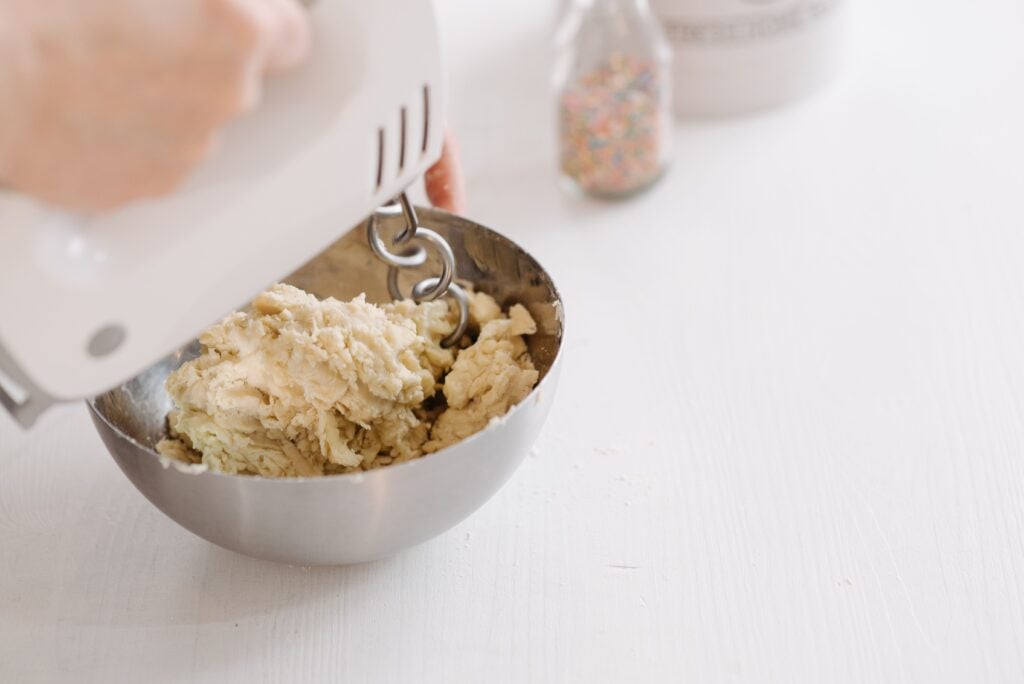
The Sunbeam Mixmaster
The Sunbeam Mixmaster was a familiar sight in kitchens for decades. It could handle cookie dough, cake batter, mashed potatoes, and plenty of other jobs without taking up the entire counter.
The pride of the countertop may be a stretch, but longtime owners have plenty of good things to say about these mixers. Many were built to keep working for years, and some are still being used today.
Modern stand mixers have more attachments and plenty of extra features, but there are people who still prefer the older Mixmaster.
The Toast-O-Lator
The Toast-O-Lator did something that most toasters today don’t. Instead of shooting the toast upward when it was finished, it moved each slice along a small conveyor belt.
It looked more like something you’d find at a retro diner than a typical kitchen appliance. Watching the bread move through the machine was part of the fun.
Pop-up toasters eventually became the standard, and the Toast-O-Lator disappeared. Vintage appliance collectors still look for working examples.
The Salton Hotray
Before electric warming trays became common, the Salton Hotray was a handy way to keep food warm during a big meal.
It was especially useful for holidays and dinner parties. You could keep a casserole, serving dish, or gravy warm while everyone finished getting ready for dinner.
For families that owned one, the Hotray was often one of those appliances that came out year after year. Its simple design made it useful without taking up much space.
The Presto Burger Maker
The Presto Burger Maker was made for people who wanted a quick homemade burger without standing over a frying pan.
The appliance pressed and cooked burgers at the same time, which made it appealing to busy families. It was especially popular around the 1970s, when convenient countertop cooking appliances were becoming common.
With homemade burgers still being a favorite, it’s easy to see why someone might want this little appliance back.
The SodaStream Penguin
SodaStream is still around, but the Penguin model had a look that made it stand out.
Its rounded shape and unusual bottle-loading system gave it more personality than most countertop drink makers. Making sparkling water felt a little more fun than simply pushing a button on a modern machine.
It was also the kind of kitchen gadget that people left sitting out because it looked different from everything else in the kitchen.
The Hoover Constellation
The Hoover Constellation looked like it came straight out of a science fiction movie.
Instead of rolling along the floor like a traditional vacuum, it floated slightly above the surface on a cushion of air. The rounded design made it look more like a UFO than a household cleaner.
The design eventually disappeared as other vacuum styles became more common, but the Constellation still has plenty of fans among vintage appliance collectors.
The Original Easy-Bake Oven
For a lot of kids, the original Easy-Bake Oven was a big deal. It gave children a chance to make tiny cakes and cookies using the heat from an ordinary light bulb.
Modern versions of the toy are still sold, but people who grew up with the original often remember it differently. There was something exciting about making your own little dessert and actually being responsible for the whole thing.
It was a toy, but it also gave plenty of kids their first taste of baking.
The CorningWare Percolator
The CorningWare percolator combined coffee making with the familiar patterned cookware that was common in many homes.
Coffee brewed slowly on the stovetop had a different feel from pushing a button on a modern coffee machine. The classic designs also made the pot easy to leave on the table when serving guests.
The percolators eventually disappeared, and safety concerns played a role in the end of some models. Still, people who remember using them often have fond memories of the coffee they made.
The Betamax Video Recorder
Betamax is one of those products that people still bring up when talking about technology that lost out despite having plenty going for it.
Sony’s format offered good picture quality and became popular with early home-video users. VHS eventually won the format battle, helped in part by longer recording times and broader market adoption.
Betamax disappeared from most homes, but it remains an interesting piece of video history. People who owned one still remember it as a well-made machine that simply ended up on the losing side of a very competitive market.
The Popcorn Pumper
Before microwave popcorn became the easy choice for movie night, the Popcorn Pumper used hot air to pop kernels without needing oil.
It was basic, easy to use, and made a big bowl of popcorn with very little work. There’s also something satisfying about watching the kernels pop right in front of you.
Hot-air poppers never completely disappeared, but some of the older models people remember are long gone from store shelves. With more people making popcorn at home again, a revival wouldn’t be too surprising.
The Amana Radarange
The Amana Radarange was one of the early microwave ovens that helped bring microwave cooking into American homes.
At the time, the idea of reheating or cooking food with microwaves seemed pretty remarkable. These early machines were much larger and more expensive than the microwaves sitting on kitchen counters today.
The Radarange helped establish the microwave as a regular household appliance. While modern models are smaller and have far more settings, the original holds an interesting place in kitchen history.
The Zenith Space Command Remote
The Zenith Space Command remote didn’t need batteries. Instead, it used ultrasonic sound to change the television channel.
That sounds strange now, especially when we’re used to remotes that can control an entire entertainment system. But at the time, being able to change the channel without getting up was a pretty big deal.
The remote had a mechanical design and was built to last. Compared with modern remotes that seem to disappear under the couch or need new batteries every few months, its old-school design has a certain appeal.
The Ronco Showtime Rotisserie
The Ronco Showtime Rotisserie became famous for one very memorable phrase: “Set it and forget it.”
The idea was simple. Put the food inside, turn the machine on, and let it cook while you handled everything else. It became a regular sight in late-night television commercials and plenty of kitchens.
Rotisserie cookers are still available, but the old Ronco models have a loyal following. People who owned one remember how convenient it was for chicken, roasts, and other meals.
The Commodore 64
The Commodore 64 was much more than a home computer for the people who grew up using one. For many families, it was their introduction to computer games, programming, and home computing.
It wasn’t remotely as powerful as today’s computers, but that wasn’t really the point. The machine was approachable, and there were plenty of games and software available for it.
The Commodore 64 has been gone for decades, yet it still has a huge fanbase. For many former owners, it brings back memories of spending hours playing games or figuring out how to write their first bit of code.
The Panasonic Panapet Radio
The Panasonic Panapet was hard to mistake for anything else. Its round shape and little chain made it look more like a piece of modern décor than a typical radio.
It was small, colorful, and easy to move from one room to another. Radios eventually became smaller and more functional, and products like the Panapet disappeared.
Today, vintage-design fans still seek them out. A working Panapet can be just as much a conversation piece as it is a radio.
The Kitchen Computer
The Honeywell Kitchen Computer is one of the strangest examples on this list.
Introduced in 1969, it was marketed as a way to store recipes and help with household tasks. The machine was huge by today’s standards, and the price was far beyond what most households could justify.
It also wasn’t exactly easy to use. Operating the system required technical knowledge, and the buyer had to learn programming before they could really make use of it.
The Kitchen Computer never became a household hit, but the idea behind it was way ahead of its time. Today, smart displays, recipe apps, connected appliances, and voice assistants have made the idea of technology in the kitchen completely ordinary.
That makes the Kitchen Computer one of those odd pieces of history that seems much less strange when you look at what kitchens are like today.