Back-to-school season isn’t just about notebooks, backpacks and new clothes. For many families, it also means another season of practices, games, uniforms, and sports expenses.
A new KPMG Consumer Pulse Back-to-School survey found that 7 in 10 families plan for their children to participate in sports during the 2026 school year. At the same time, families are dealing with higher prices and making more deliberate decisions about where their money goes.
For many parents, that means protecting the activities their kids participate in while finding other places in the household budget to spend less.
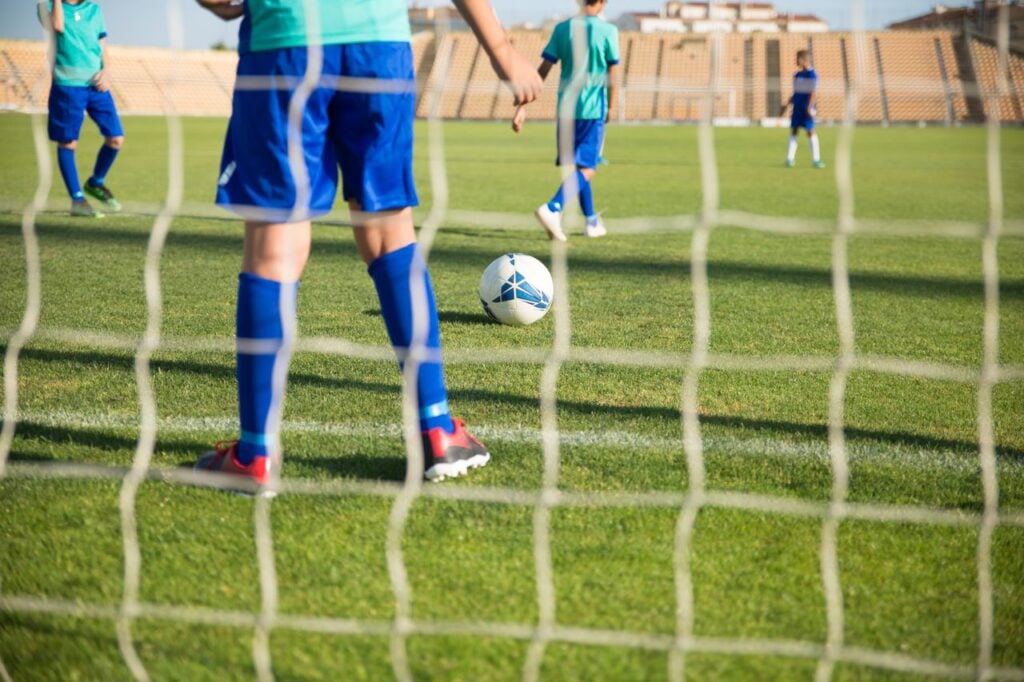
Kids’ sports are staying in the budget
Outdoor sports were the most common school-related activity in the survey, with 43% reporting participation. Soccer led outdoor sports, followed by baseball and softball, while basketball was the most popular indoor sport.
Sports expenses also extend beyond simply signing a child up for a team. Nearly one in four respondents said their children’s activities have led them to purchase sports apparel more frequently, while 32% of children participate in some type of extracurricular training or tutoring.
Among that group, 42% participate in sports training or coaching.
Dining out is one of the first things families are cutting
Restaurant spending appears to be one area families are willing to reduce as fall expenses return. About half of consumers with children heading back to school expect to dine out less frequently, while only 12% expect to eat out more.
Saving money was the main reason given for eating out less. That shift can free up budget room for school and activity expenses that families have decided to prioritize.
Weeknight meals are getting simpler
Eating at home doesn’t necessarily mean families plan to spend hours cooking every evening. Forty-eight percent of respondents said they expect to make simpler meals with fewer ingredients and quicker preparation during the school year.
Nearly one-third also expect to do more batch cooking or prepare meals in advance. With school, practices and games competing for time during the week, families appear to be looking for meals that are both less expensive than eating out and easier to fit into busy schedules.
Personal entertainment is also taking a hit
Parents aren’t only looking to save on food. KPMG found that personal leisure and entertainment are also among the areas families plan to reduce to keep children’s activities in the budget.
That can mean prioritizing a child’s soccer season or other activity while spending less on entertainment and other optional purchases for the adults in the household.
Some families are pulling back on travel
Travel and vacations are another expense families are willing to reconsider. Rather than removing sports from the schedule, some respondents said they plan to reduce or delay travel spending.
It’s another example of how families are shifting money rather than simply eliminating expenses across the board. Activities that matter to the household stay, while other plans may be scaled back or postponed.
Higher prices are adding pressure elsewhere
These decisions are happening as the overall cost of the school year also increases. KPMG found that back-to-school spending is expected to rise in 2026, with nearly 80% of parents who expect to spend more attributing that increase to higher prices rather than buying more things.
Families are also expecting to spend more on everyday necessities such as groceries, gas and vehicle maintenance. That leaves less flexibility for everything else competing for a place in the monthly budget.
Parents are making room for what matters to them
The survey shows that families aren’t necessarily responding to higher costs by cutting everything equally. Instead, many are deciding which expenses remain a priority and looking elsewhere for savings.
For many families, kids’ sports have made that priority list. Dining out, entertainment, and travel may be easier to scale back when the alternative is pulling a child out of an activity the family wants to continue.
That makes this back-to-school season as much about deciding what to cut as deciding what to buy.