Before you haul that bag of old clothes to the thrift store, take another look inside. The jeans you never wear, the dress hanging untouched in the back of your closet, or even a pile of your kids’ outgrown clothes could be worth selling instead.
You don’t necessarily need designer labels, either. Everyday clothes, vintage pieces, shoes, handbags, and even inexpensive basics can find buyers if you put them in the right place.
Here are 12 places worth checking before you donate those old clothes.
Vinted
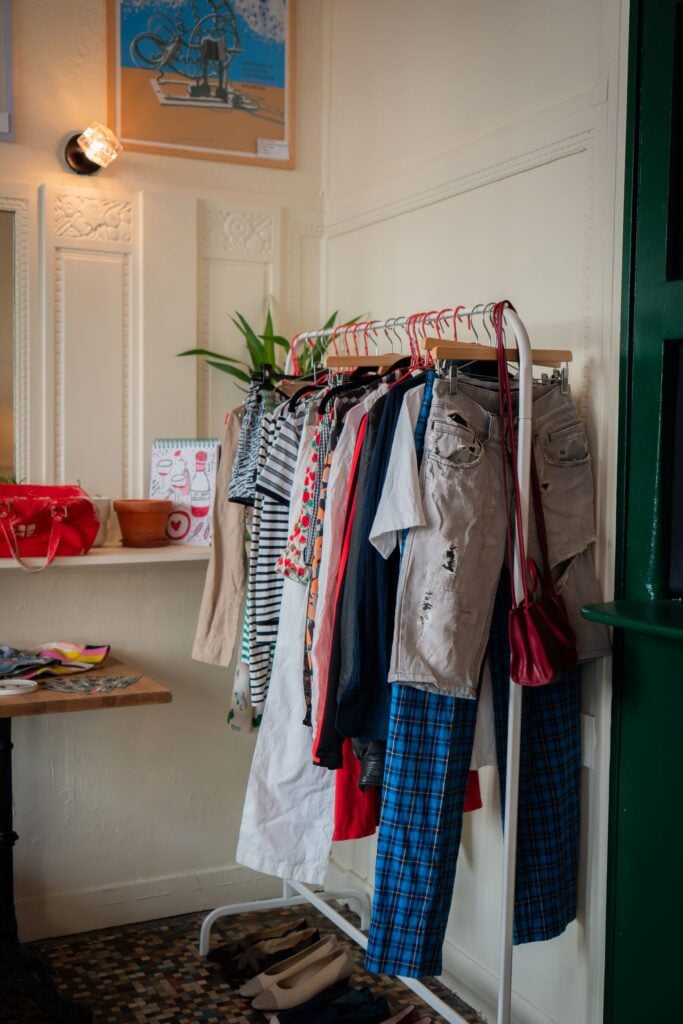
Vinted is a good place to start with everyday clothing because you can list everything from basic tops and jeans to shoes, accessories, and kids’ clothes. Sellers in the U.S. currently pay no selling fees, so you keep the listed amount while the buyer generally covers shipping.
Poshmark
Poshmark is especially useful for recognizable clothing brands, shoes, handbags, and accessories that are still in good condition. You create your own listings and prices, and bundling several lower-priced pieces can make them more appealing to buyers who are already paying for shipping.
The RealReal
If your closet cleanout turns up luxury clothing, designer handbags, fine jewelry, or high-end accessories, The RealReal may be worth considering before donating them. It operates as a luxury consignment service and handles much of the authentication, photography, pricing, and selling process for accepted pieces.
ThredUp
ThredUp makes sense when you have a large pile of clothes to clear out but don’t want to photograph and list every piece yourself. You send eligible clothing through its Clean Out service, and ThredUp evaluates what it can sell and handles the listings for accepted items.
Curtsy
Curtsy focuses heavily on women’s fashion, making it a useful option for dresses, shoes, accessories, trendy pieces, and contemporary brands. You photograph and list the clothes yourself, then receive a prepaid shipping label when an item sells.
Depop
Before donating that vintage jacket, graphic tee, or Y2K piece you think nobody wants, see what similar items are selling for on Depop. The platform attracts shoppers looking for vintage, streetwear, and distinctive styles, so good photos and accurate descriptions can make a big difference.
Mercari
Mercari is handy if your decluttering has moved beyond the closet and you also have household goods, toys, electronics, or other things to sell. Clothing can be listed alongside all of those items, making it a convenient option when you’re trying to turn a bigger home cleanout into extra cash.

Etsy
True vintage clothing may deserve another look before it lands in your donation bag, particularly if it has an interesting label, fabric, or design. Etsy allows qualifying vintage clothing that is at least 20 years old, and detailed measurements, condition notes, and information about the garment can help shoppers find it.
Related: 14 Handmade Products Customers Don’t Mind Spending More On
Vestiaire Collective
Designer handbags, shoes, jewelry, watches, and premium clothing may be better suited to Vestiaire Collective than a general resale marketplace. The platform specializes in designer fashion and provides access to shoppers specifically searching for higher-end pieces.
eBay
eBay can be particularly useful for vintage clothes, discontinued styles, collectible fashion, unusual sizes, and pieces buyers may be searching for by exact brand or model. Check sold listings before setting your price, since they can give you a much better idea of what people are actually willing to pay.
Related: When Did Thrift Stores Start Pricing Fast Fashion Like It’s Vintage?
Facebook Marketplace
Facebook Marketplace can save you the trouble of shipping when you have clothing that makes sense to sell locally. Try grouping lower-priced pieces into lots, such as a bundle of children’s clothes in the same size or an entire seasonal wardrobe, rather than creating a separate listing for every shirt.
Local Consignment and Resale Shops
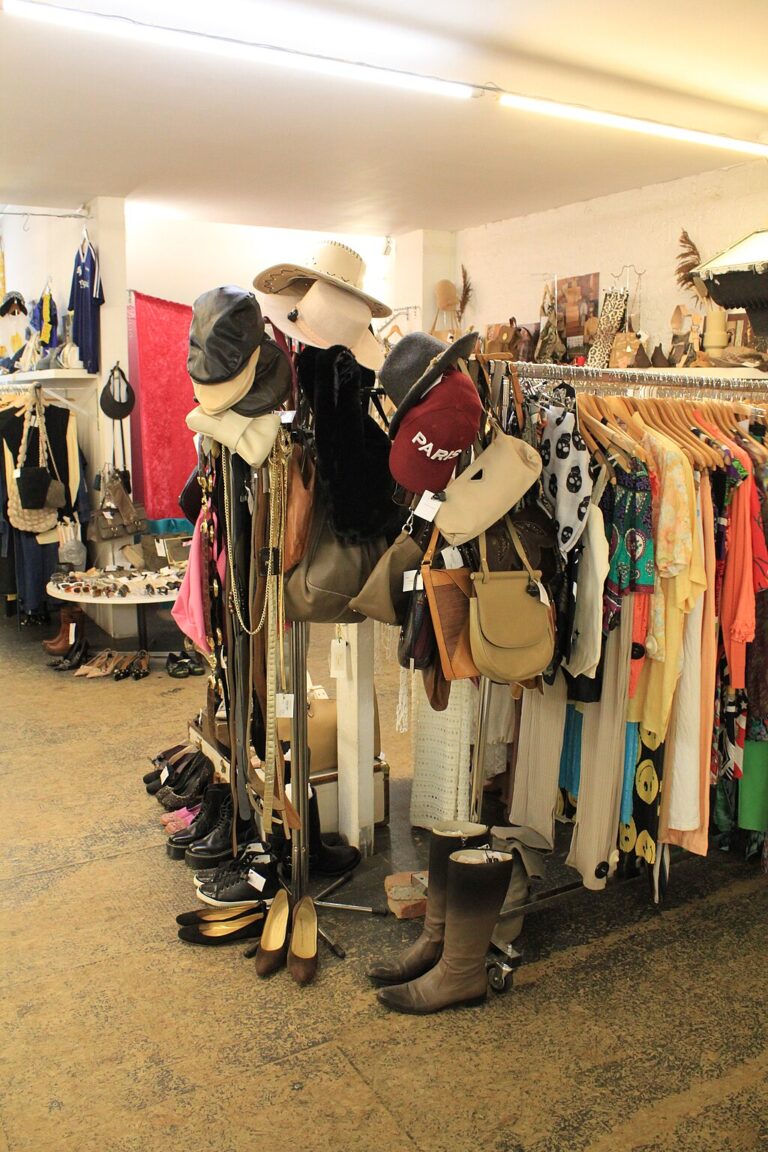
Don’t overlook local consignment and resale stores if you want to make some money without dealing with photos, listings, packaging, and shipping. Stores have their own rules about brands, seasons, condition, and payouts, so check what they’re currently accepting before bringing in your clothes.