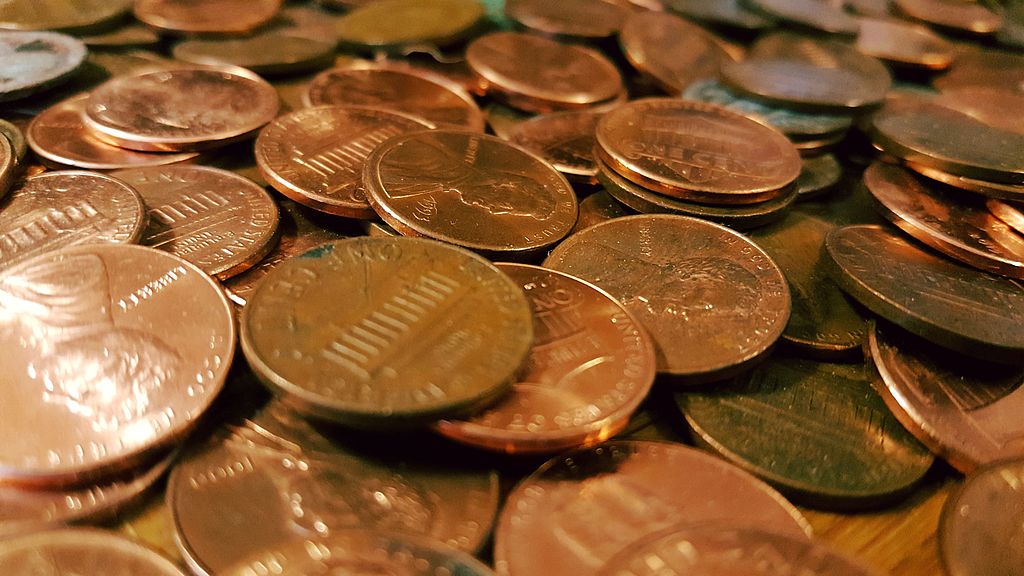
For years, most of us barely gave pennies a second thought. They ended up in change jars, desk drawers, car cup holders, and the bottom of purses until we eventually forgot about them.
Now that the U.S. Mint has ended production of circulating pennies, those old coins may be getting a little more attention. The last circulating penny was struck in November 2025, but the pennies already out there remain legal tender and can still be used in transactions.
That doesn’t mean you need to rush out and spend every penny you own. Before getting rid of a large collection, it makes sense to sort through it, look for collectible coins, and decide what you actually want to keep.
Spend Them
The easiest thing you can do with your pennies is spend them. Existing pennies remain legal tender, so they can still be used for purchases, although individual businesses may set their own policies on accepting cash and coins.
If you have a jar full of pennies that has been sitting around for years, using some of them for everyday purchases can be an easy way to clear out the clutter. You can also combine them with other coins rather than trying to spend a handful of pennies at once.
Related: The Most Valuable Pennies Still Hiding in Circulation Today
Check for Valuable Coins
Before you cash in a large collection, take a few minutes to look through it. Some pennies are worth more to collectors because of their age, rarity, condition, unusual varieties, or genuine mint errors.
You don’t need to become a coin expert to start sorting. Look up key dates and well-known Lincoln cent varieties, and set aside anything that looks unusual rather than assuming every old penny is worth a fortune.
Deposit Them at Your Bank
If you’re tired of having jars and containers full of loose change, your bank may be able to help. Many banks accept rolled coins from customers, but policies vary, so it’s smart to check with your branch before spending time sorting and rolling a large amount of coins.
Rolling the coins yourself can also save you from paying the fees charged by some coin-counting machines. It takes more work, but you can deposit the money directly into your account once the coins are prepared in accordance with the bank’s rules.
Related: 9 Paper Documents You Can Finally Shred (And 5 You Should Never Throw Away)
Use a Coin-Counting Machine
A coin-counting machine can be convenient if you have a lot of pennies and don’t want to spend hours sorting and rolling them. You pour in the coins, let the machine count them, and receive cash or another form of payment depending on the service.
Check the fee before using one, as some machines charge a percentage of the total. If you have a bank or another nearby option that accepts loose coins without a large fee, that may leave more of your money in your pocket.
Set Aside Pre-1982 Pennies
Older pennies are worth a closer look, especially those made before 1982. Most U.S. pennies from before that year were made primarily of copper, while pennies made afterward generally use a zinc core with copper plating.
That doesn’t mean every pre-1982 penny is rare or valuable. Still, some people separate these older copper cents from the rest of their change because they have collector interest and a metal composition that differs from most modern pennies.
Donate Them
A jar full of pennies may seem insignificant, but a large pile can turn into a useful donation. Schools, charities, food banks, churches, and community groups may accept loose coins as part of their fundraising efforts.
This can be a good option when you don’t want to spend time sorting, rolling, or storing your collection. You get the clutter out of the house, and the coins can go toward something useful.
Save a Few for Sentimental Reasons
For some people, the end of circulating penny production feels like the end of a familiar part of everyday life. The Mint produced circulating pennies for 232 years before ending that run in 2025, while collectible versions continue to be made in limited quantities.
You don’t need to keep an entire jar to mark the occasion. Saving a few pennies from different years can make a simple keepsake, especially if you enjoy collecting coins or remembering what life was like when pennies were still used for everyday purchases.
There’s no need to panic about a jar of pennies sitting in your house. Existing pennies can still be used, and there are several ways to handle them, depending on whether you care more about convenience, collecting, donating, or simply clearing out some clutter.