After more than two centuries of production, the United States has already stopped making new pennies for everyday circulation. Now Congress is moving toward making that change permanent.
The House has passed legislation that would formally end production of the penny for general circulation, establish rules for handling cash transactions without enough pennies and leave the billions of pennies already out there perfectly legal to spend.
Here’s where things stand and what could happen next.
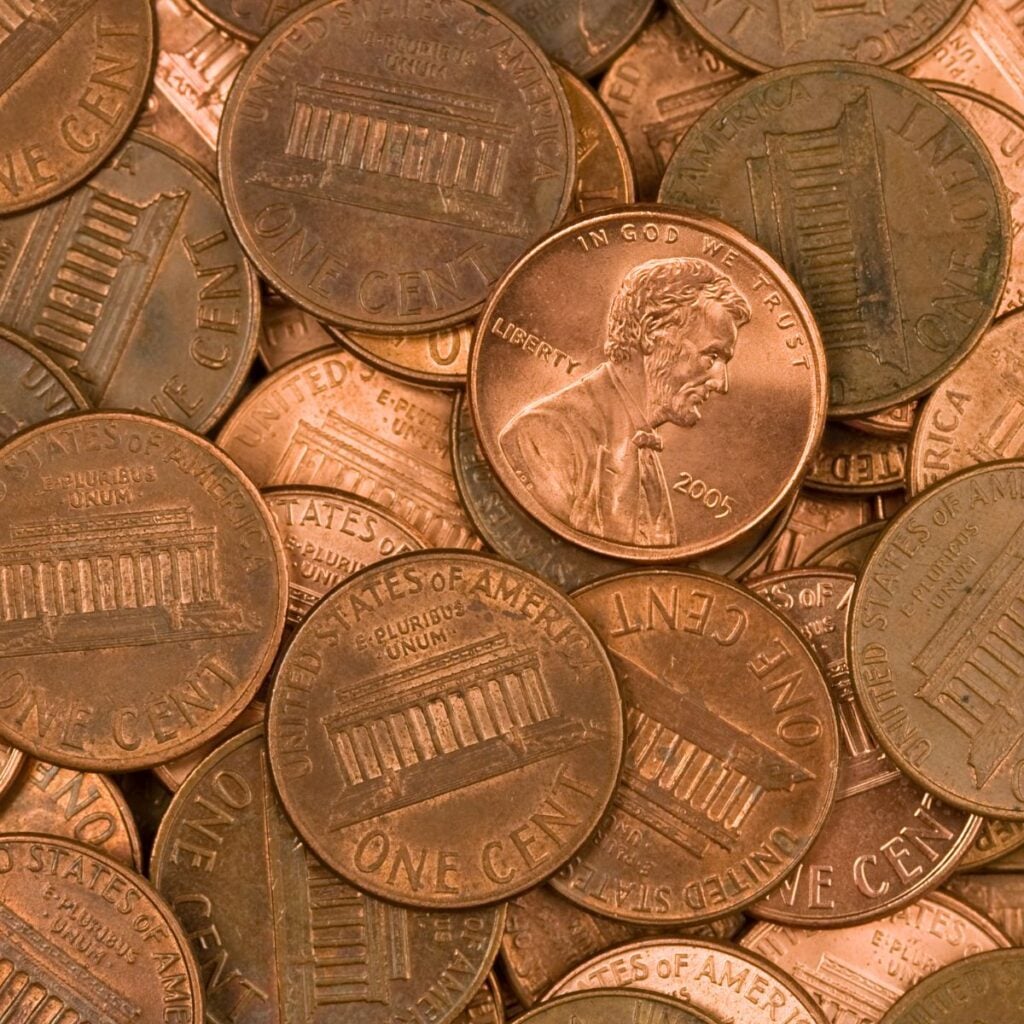
The last circulating pennies were made in 2025
The U.S. Mint officially ended production of circulating pennies on Nov. 12, 2025, ending a 232-year production run. The Mint said economic factors and changing consumer behavior contributed to the decision, with the cost of producing a single penny having climbed to 3.69 cents.
But the penny wasn’t actually eliminated
That’s an important distinction: Treasury stopped producing new pennies for general circulation, but the coin itself didn’t disappear. As the U.S. Mint explains in its penny FAQs, existing pennies remain legal tender and can still be used to pay for purchases.
Related: Old Pennies That Could Still Turn Up in Your Change
Congress is now considering a permanent change
The House recently passed the Common Cents Act, H.R. 10167, which would direct the Treasury secretary to stop minting pennies except for collector needs. The legislation would essentially put an end to general-circulation penny production into law rather than relying solely on the Treasury’s existing decision to stop making them.
The bill has moved to the Senate
After passing the House, the Senate received the Common Cents Act on Sept. 15 and referred it to the Committee on Banking, Housing, and Urban Affairs. That means the House vote hasn’t made the proposal law, and Congress would need to take further action.
Your old pennies wouldn’t become worthless
Even if the legislation ultimately becomes law, the pennies already sitting in wallets, jars, and cash registers would remain legal tender. The Treasury Department says existing pennies retain their one-cent value and businesses can continue accepting them, while banks and other financial institutions can continue taking penny deposits.
Cash transactions could eventually be rounded
The Common Cents Act would also create a framework for rounding cash payments to amounts divisible by five, addressing what happens as fewer pennies remain readily available.
The Treasury’s current guidance similarly recommends rounding the final cash total to the nearest nickel when penny change isn’t available, while electronic payments can continue to be processed to the exact cent.
Related: 10 Rare Half Dollars That Could Make Your Coin Jar Worth More
The government says stopping production saves money
One of the main reasons Treasury gave for ending production was simply that making pennies had become increasingly expensive. Producing a penny had risen to 3.69 cents per coin, and stopping production was projected to save about $56 million annually in material costs.
Collector pennies could still be made
Even a permanent end to circulating penny production wouldn’t necessarily mean the U.S. Mint would never strike another penny. The proposed legislation makes an exception for collector coins, and the Mint has already said it can continue producing limited numismatic versions for collectors.
So the penny is in a somewhat unusual position. The United States has already stopped making new ones for everyday circulation; billions of existing pennies can continue changing hands, and Congress is now considering whether to make the production halt a matter of federal law.
For now, there’s no reason to toss the pennies sitting in your change jar. They still count as money, even if the country may never need to make another circulating one.