When you finish a load of laundry, it’s likely that you take the clothes out, throw them in the dryer, and close the washing machine door. But closing your washing machine immediately after every load might be the one habit worth changing.
Why? When you close it after removing the clothes, moisture usually remains inside the machine. And when you close the door, that moisture has nowhere to go.
So, should you leave your washing machine door open or closed after doing laundry? For most washing machines, leaving the door slightly ajar while the interior dries is the better choice. Here’s why it matters, and what else you should do to keep your machine from developing unpleasant odors.
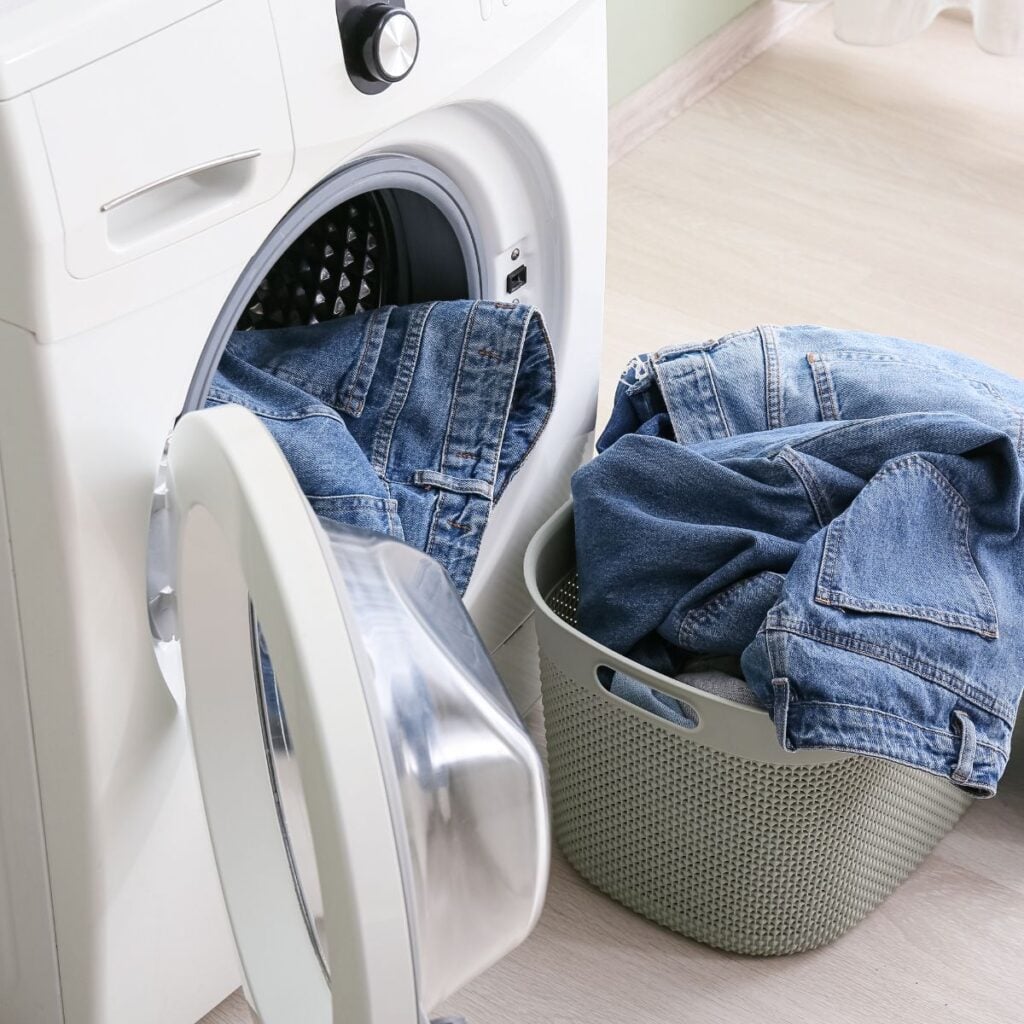
Why You Shouldn’t Close Your Washing Machine Door Right Away
Think about how much water goes through your washing machine during a typical load. Even after the spin cycle finishes and the clothes come out, the inside of the washer isn’t completely dry.
Water droplets can still remain inside the drum, around the door, and in places you can’t easily see.
If you shut the door immediately, you trap that moisture in an enclosed space. Over time, those damp conditions can encourage mildew and bacteria to grow, especially when detergent residue and dirt are left behind.
And if you’ve ever opened your washing machine only to be greeted by a stale, musty smell, trapped moisture could be part of the problem.
Leaving the door open lets the remaining water evaporate instead of sitting inside the machine until your next laundry day.
Related: The 9 Biggest Laundry Mistakes You’re Probably Making
It’s Especially Important for Front-Loading Washing Machines
If you have a front-loading washer, pay particular attention to this habit.
Front loaders have a rubber gasket around the door that creates a watertight seal during the wash cycle. That’s great for keeping water off your laundry room floor, but it also means moisture can get trapped inside when the door is closed.
The folds of that rubber seal can collect water, lint, hair, detergent residue, and other things that come off your clothes. Because those little crevices don’t get much airflow, mildew and unpleasant odors can develop there.
After removing your laundry, take a few seconds to check the rubber seal and wipe away any standing water. Then leave the door slightly open so the inside can dry.
What If You Have a Top-Loading Washing Machine?
You might assume this only matters for front-loading machines, but top-loading washers can develop musty odors, too. While most top loaders don’t have the same tightly sealed front door, the drum and other internal parts can still remain damp after a wash.
Leaving the lid open lets air circulate and helps the inside dry before the next load. You don’t necessarily have to leave it open all day. Once the interior has dried, you can close the lid if you prefer.
The key is to avoid leaving a damp washer closed for long periods, especially if you’ve already noticed an odor.
Related: You Might Be Washing These 12 Things (And It’s Damaging Your Washing Machine)
Don’t Forget About the Detergent Drawer
If your washer has a pull-out detergent drawer, water and leftover detergent likely remain inside after the wash cycle. Over time, that buildup can turn into a sticky mess, especially if you regularly use liquid detergent or fabric softener.
Instead of pushing the drawer closed immediately after doing laundry, leave it slightly open to dry out.
It’s also worth removing the drawer occasionally and giving it a proper cleaning. You might be surprised by how much residue collects underneath and behind it.
Take a Minute to Wipe Down the Rubber Seal
Leaving the door open helps, but it won’t necessarily dry water sitting inside the folds of the rubber gasket. If you have a front-loading washer, get into the habit of wiping the seal with a clean, dry cloth after you finish laundry.
Pay particular attention to the bottom of the gasket, where water tends to collect.
While you’re at it, check for anything that might have gotten stuck inside. I’ve seen everything from lint and hair to coins and other small items end up in places they don’t belong.
It’s a quick task that can help prevent buildup and keep the area around the door cleaner.
Related: Common Household Items You Should Never Put in Your Washing Machine
Do You Have to Leave the Washing Machine Door Wide Open?
Not necessarily. If your washer is in a small laundry room, hallway, or closet, leaving the door fully open can be inconvenient. No one wants to walk around a washing machine door every time they need to get through the room.
Fortunately, you usually don’t need to leave it wide open for airflow. Leaving it slightly ajar can help the inside dry, and some washing machines have a feature that keeps the door from closing completely between loads.
There are also accessories designed to hold certain washer doors open a few inches. Just make sure the door is secure and doesn’t create a hazard, especially if you have young children or pets. Never leave a washer accessible in a way that could allow a child or animal to climb inside.
Once the drum and surrounding areas have dried, it’s generally fine to close the door.
What If Your Washing Machine Already Smells Musty?
If your washer already smells unpleasant, leaving the door open might not be enough to fix it. That’s because the odor could come from detergent buildup, residue around the gasket, or other areas inside the machine that need cleaning.
Start by checking the rubber seal, detergent drawer, and other accessible areas for visible buildup. Clean them according to your manufacturer’s instructions. Also check whether your machine has a dedicated cleaning cycle. Many newer washing machines include one specifically for maintaining the drum.
Too much detergent can also cause residue buildup, so use the right type and amount for your washer.
And don’t forget to remove your laundry promptly after the cycle ends. Leaving wet clothes in a closed washer for hours doesn’t do your machine or your clothes any favors.
Check What Your Washing Machine Manufacturer Recommends
Although leaving the door open to dry is a common recommendation, washing machines aren’t all designed exactly the same way. Some newer models have built-in ventilation features or special settings that help remove moisture after a wash cycle.
Others may have specific instructions for keeping the door open, cleaning the gasket, or maintaining the detergent drawer. If you’re unsure what your particular washer needs, check the owner’s manual. It should explain the recommended cleaning routine and whether your machine has features designed to help with moisture and odors.
So, Should You Leave Your Washing Machine Door Open or Closed?
For most washing machines, leave the door or lid slightly open after a load, at least until the inside has a chance to dry. It may seem like a small detail, but letting moisture escape can reduce the damp conditions that contribute to mildew and musty smells.
You don’t need to leave the door open permanently, and you certainly don’t need to make your laundry room an obstacle course. Just give the machine a little time to air out, wipe away any water trapped around the rubber seal, and let the detergent drawer dry when needed.
This simple change to your laundry routine could save you from dealing with a smelly washing machine later.