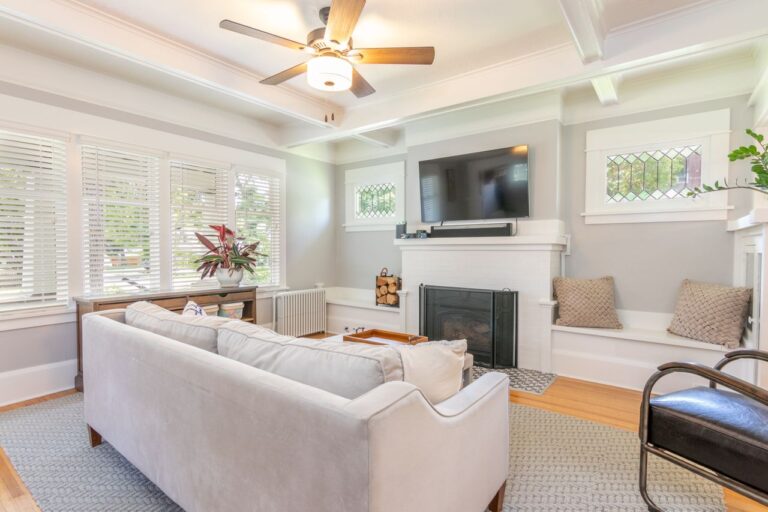
Selling a house comes with plenty to think about, from getting the paperwork in order to figuring out your asking price. There’s also the emotional side of leaving a place where you may have spent years making memories.
One question most sellers eventually ask is what needs fixing before the house goes on the market. It’s tempting to start planning a major renovation, but most homes don’t need a complete makeover before they’re listed.
Buyers want a place that looks clean, feels cared for, and is move-in ready. A few repairs can make a better impression than spending thousands on upgrades that may not add much value. Here are 10 areas real estate agents often suggest checking before listing your home.

Boost Curb Appeal Before Buyers Ever Walk Inside
The front yard and exterior are the first things buyers see, so a messy entrance can leave a poor first impression. Overgrown grass, untidy shrubs, dead leaves, and dirty walkways may also make people wonder how well the rest of the house has been cared for.
You don’t need to hire an expensive landscaping crew to tidy things up. Mow the lawn, trim plants, clear away debris, wash the walkway, and add fresh mulch where needed.
A few affordable supplies, such as garden tool sets, landscaping mulch, and outdoor planters with seasonal flowers, can help give the yard a cleaner look. Small details matter too, so wash the front door, replace worn house numbers, clean outdoor lights, and remove clutter near the entrance.
Give the Walls a Fresh Coat of Paint
You might have stopped noticing the scuffs and marks on your walls after living with them for years, but buyers are likely to spot them. Bright accent colors and heavily personalized rooms can also make it harder for people to picture their own furniture and belongings in the space.
A fresh coat of paint can make rooms look cleaner and brighter without the expense of a major renovation. Soft whites, light grays, warm neutrals, and gentle beige shades are popular choices because they work with many decorating styles.
If you’re painting the rooms yourself, low-VOC interior paint, paint roller kits, and painter’s tape can help. You don’t have to repaint the entire house, so start with walls that have obvious marks, outdated colors, or heavy wear.
Check Your Lighting
A dim room can feel smaller and less welcoming, even if the rest of the house is in good condition. Burned-out bulbs, mismatched lighting, and dated fixtures can also make a home look like it needs more work.
Start by replacing any burned-out bulbs and switching older ones to bright white LED light bulbs where appropriate. If a dated fixture stands out, a modern light fixture or entryway chandelier can refresh the room without changing anything else.
Good lighting also improves listing photos. Bright, well-lit rooms photograph better and help buyers see the space more clearly.
Refresh Kitchen and Bathroom Surfaces
Kitchens and bathrooms often get extra attention during home tours, so worn surfaces can be hard to overlook. Buyers may not expect brand-new countertops, but cracked, stained, or badly damaged areas can make them wonder what else needs attention.
Before paying for a full renovation, see whether smaller repairs will do the job. A countertop refinishing kit or quartz-look countertop overlay may give an old surface a cleaner appearance without replacing the entire countertop.
Check the caulking around sinks, tubs, and showers too. Old, cracked, or discolored caulk can make a bathroom look neglected, while fresh waterproof kitchen and bath caulk can give the area a cleaner finish.
Give Your Cabinets Some Attention
Kitchen and bathroom cabinets take up plenty of visual space, so worn finishes can make an entire room look dated. Replacing them may be unnecessary if the cabinet doors and frames are still in good condition.
A fresh coat of neutral cabinet paint can make a noticeable difference. Pair it with updated hardware, such as matte black or brushed nickel pulls, for a cleaner look.
A cabinet paint kit can help with a DIY project, but there’s no need to spend heavily on cabinets that are already in decent shape. Focus on chipped paint, loose handles, and other visible signs of wear.
Take Care of Safety and Inspection Problems
Some repairs deserve attention because they affect the home’s safety and basic function. Loose railings, damaged outlets, missing smoke detector batteries, and other obvious problems may catch a buyer’s attention during a showing or home inspection.
Check that smoke and carbon monoxide detectors work, and replace outdated units as needed. Areas that require GFCI protection, such as kitchens, bathrooms, and garages, should also have properly working outlets.
For electrical or other safety repairs you’re not trained to handle, hire a licensed professional. A small repair bill is better than risking an injury or creating a bigger problem before closing.
Check the Roof Before Listing
Visible roof damage can make buyers worry about leaks and expensive repairs. Missing shingles, damaged areas, sagging spots, and overflowing or loose gutters are all worth checking before your home goes on the market.
A minor issue may need only a small repair, while an older roof may need a professional inspection to check its condition. Basic maintenance supplies, such as gutter cleaning tools, can help with routine upkeep, but they won’t replace a proper roof assessment.
Roof work can be dangerous, so leave repairs that involve climbing, structural damage, or hard-to-reach areas to a qualified contractor. Knowing your roof’s condition and repair history can also help answer questions from potential buyers.
Fix Plumbing Problems Before Buyers Find Them
A dripping faucet may seem like a small annoyance, but buyers could see it as a sign of a larger plumbing issue. Leaking pipes, slow drains, water stains, and running toilets can also raise concerns during a home tour or inspection.
Walk through the house and check faucets, toilets, drains, exposed pipes, and the areas beneath sinks. Basic supplies such as pipe repair tape, a drain snake kit, or a faucet repair kit may help with minor jobs, depending on the problem.
If you find recurring leaks, water damage, low water pressure, or a problem you can’t identify, call a plumber before listing. It’s better to have the issue checked than leave buyers wondering how much the repair might cost.
Check Your Electrical System
Electrical issues can raise concerns during a showing or inspection, so don’t ignore flickering lights, dead outlets, exposed wires, or frequently tripped breakers. An outdated electrical panel may also lead buyers to ask questions about the home’s electrical system.
Walk through each room and test the switches and outlets. An inexpensive outlet tester can help identify certain wiring or grounding issues, though it doesn’t replace an electrician’s inspection.
Replacing worn switch plates and adding clear labels to the breaker panel can make the area look more orderly. Leave wiring, panel repairs, and other electrical work to a licensed electrician unless you have the proper training.
Don’t Forget About the HVAC System
Buyers will notice if the house feels too hot or too cold during a showing. A heating or cooling system that isn’t working properly can raise questions about maintenance costs and possible repairs.
Before listing, replace dirty air filters, clean accessible vents, and check that the system is running as it should. If it’s due for routine service, schedule an HVAC appointment and keep any maintenance records you receive.
A programmable thermostat may be a useful upgrade if the existing one is old, while replacing HVAC air filters is basic maintenance. A vent-cleaning kit can help with light cleaning around accessible vents, but a qualified technician should handle deeper duct or system cleaning.
If your HVAC system is older but still working, don’t rush to replace it just because you’re selling. Ask your real estate agent and an HVAC professional whether a replacement makes sense for your home and local market.