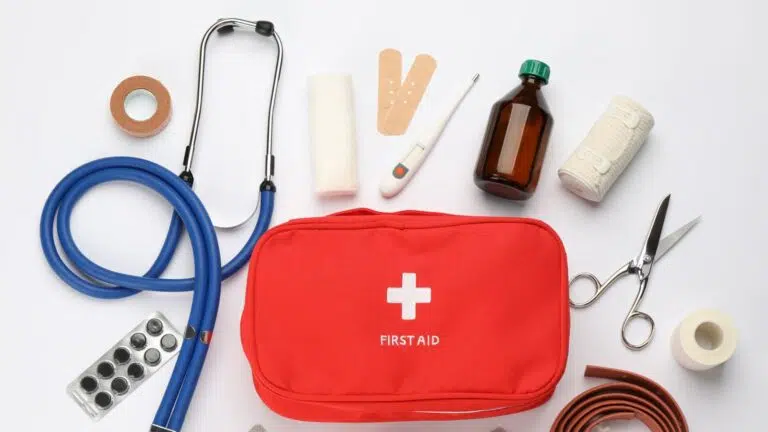
Most money problems don’t begin with one huge purchase. They often come from smaller expenses that seem harmless at the time: $12 here, $25 there, another monthly subscription, or a credit card balance that keeps hanging around.
These spending habits can be hard to spot because they become part of our daily routines. Before long, those little charges can take a noticeable bite out of the budget without us realizing how much we’re spending.
Here are eight common money traps that deserve a closer look.
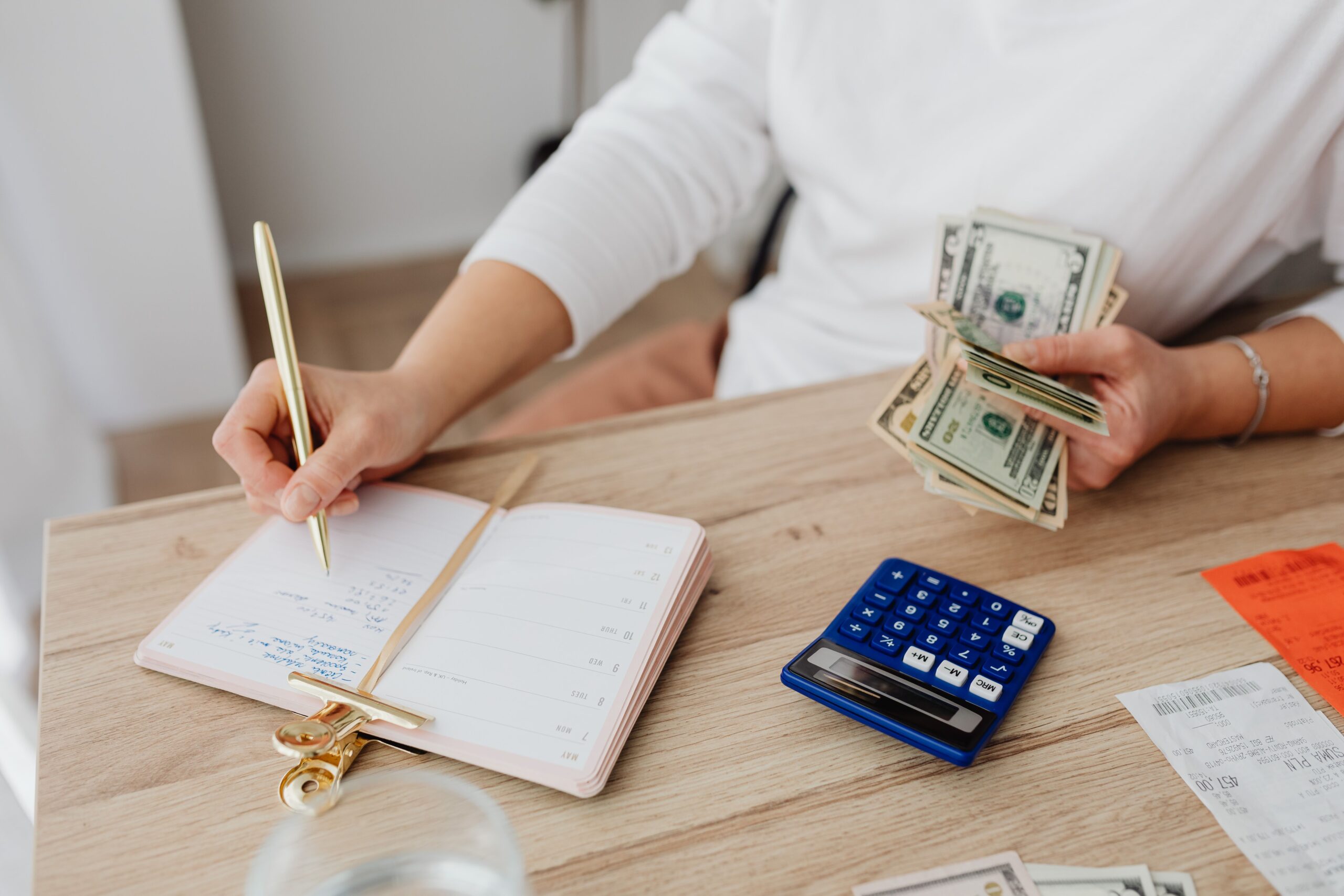
Subscriptions You Barely Use
Streaming platforms, phone apps, cloud storage, memberships, and free trials can keep charging your account long after you’ve stopped using them. Check your bank and credit card statements every few months and cancel anything you wouldn’t pay for again today.
Impulse Online Shopping
Shopping online makes it easy to buy something the moment you see it, especially when your payment details and shipping address are already saved. Before checking out, leave nonessential items in your cart for a day or two and see if you still want them.
Paying for Convenience Too Often
Food delivery, takeout, coffee runs, and prepared meals can save time, but relying on them every day can dent your budget. Making coffee at home or packing lunch a few times a week can free up money without giving up every little treat.
Carrying High-Interest Debt
A $500 purchase can cost much more if you’re still paying interest on it months or years later. Credit card balances and other high-interest debt can keep taking money from each paycheck, making it harder to save or pay for current expenses.
Ignoring All Those Little Fees
ATM charges, late payments, delivery fees, and monthly service costs may seem too small to worry about individually. Look through your statements for charges you can avoid by changing payment dates, switching providers, or using a different payment method.
Treating Your Credit Card Like Extra Income
A credit card limit shows how much you can borrow, not how much money you actually have available to spend. Charging everyday purchases without tracking your balance can make it easy to overspend and leave you with a bill you can’t pay in full.
Automatically Choosing the Name Brand
Some name-brand products are worth the extra cost, but others offer little difference from cheaper alternatives. Compare ingredients, materials, package sizes, warranties, and performance before paying more, especially for groceries, household supplies, and products you buy often.
Waiting for an Emergency to Figure Out How You’ll Pay for It
A car repair, broken appliance, medical bill, or unexpected trip can put a lot of pressure on your finances if you have no savings set aside. Start building an emergency fund with whatever amount you can afford, even if it’s just a small deposit from each paycheck, so you’re less likely to rely on credit cards when something goes wrong.