Moving out of your parents’ house doesn’t always mean taking everything with you. A few boxes get left in the attic, old furniture stays in the basement, and the bedroom you grew up in slowly turns into storage for things nobody uses anymore.
A Talker Research survey of 2,000 Americans who had moved away from home found that 46% still had belongings stored at their parents’ house. Those who did had an average of nine boxes left behind, with many holding onto their things because of the memories attached to them.
It’s easy to see why some belongings are hard to part with. But if your parents are still keeping things you haven’t touched in years, it might be time to go through them and decide what deserves to stay. Here are 12 things that may be taking up space in your childhood home.
Childhood Toys
That old stuffed animal, doll collection, LEGO bin, or pile of action figures might still be sitting in a closet or storage box. It’s nice to have a few favorites to look back on, but toys you haven’t touched since childhood may be ready for donation or a new home.
Boxes of School Papers
Old report cards, spelling tests, notebooks, science projects, and drawings can pile up over the years. Keep a few papers that bring back good memories, then recycle the rest instead of letting entire boxes sit untouched.
Yearbooks
Yearbooks are hard to throw away because they hold photos, signatures, and memories of people you may not see anymore. If your parents have a stack taking up shelf space, consider keeping your favorite copies and passing the others along if someone else in the family wants them.
Old Clothing
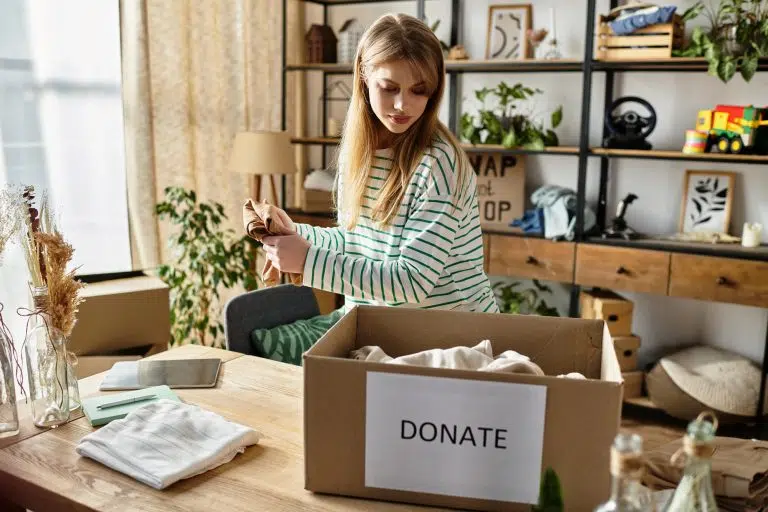
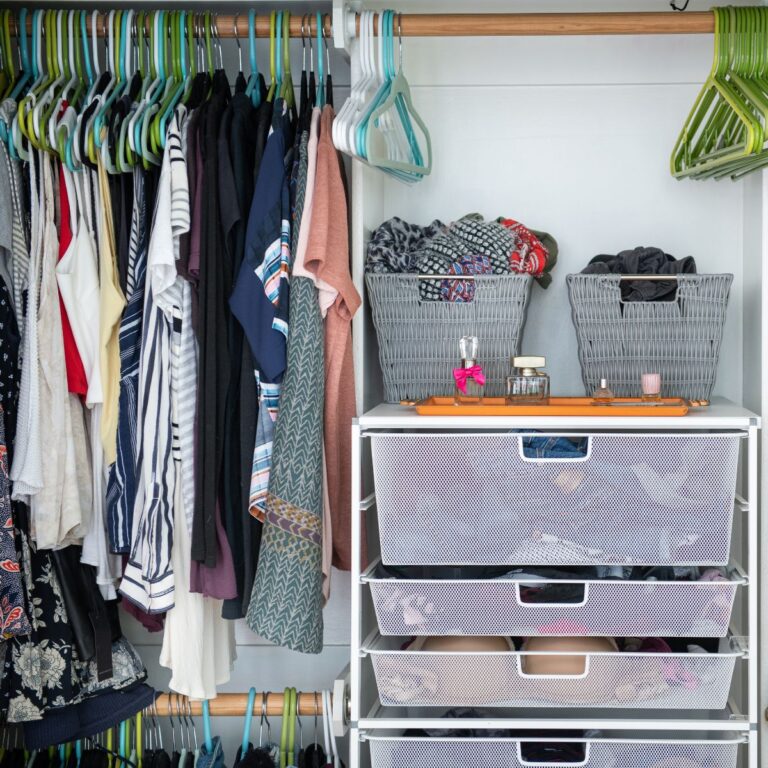
Prom dresses, varsity jackets, concert T-shirts, and clothes you haven’t worn since high school may still be hanging in your old bedroom closet. Keep the pieces that mean something to you, but consider donating or passing along anything you’re unlikely to wear or use again.
Related: 12 Clothing Items People Wish They Never Donated
Sports Equipment
Baseball gloves, soccer gear, tennis rackets, skis, bikes, and other sports equipment often sit in the garage long after the games end. If nobody in the family uses them anymore, check their condition and consider selling, donating, or passing them on to someone who can.
Books From Childhood
Favorite storybooks, school novels, and book collections can be hard to part with, especially if you remember reading them over and over as a kid. Keep the titles you’d enjoy sharing with your own children or revisiting someday, and donate the ones you’re unlikely to open again.
Furniture From Your Old Bedroom
Your childhood desk, dresser, bookshelf, or rocking chair may still be sitting in the same room where you left it. If nobody has a use for these pieces, talk with your parents about selling, donating, or giving them away to free up some space.
Collections You Started Years Ago
Baseball cards, comic books, dolls, coins, stamps, and model cars are common childhood collections that end up packed away for years. Look through them before making any decisions, since a few may still hold personal or monetary value, while the rest could go to another collector.
Old Electronics
Your first cell phone, digital camera, CD player, or old laptop might still be tucked inside a drawer or box. Gather these devices and check whether anything needs to be saved before recycling them through an appropriate electronics recycling program.
Holiday Decorations You Made as a Kid
Handmade ornaments, Mother’s Day crafts, and school holiday decorations often end up in boxes that parents can’t bring themselves to throw away. Choose a few favorites to keep, photograph the rest, and let go of the pieces that have been sitting untouched for years.
Mystery Boxes
Almost every family seems to have a few boxes with no labels and no clear idea of what’s inside. Set aside some time to open them, sort through the contents, and separate actual keepsakes from random items nobody remembers owning.
Family Photos and Keepsakes
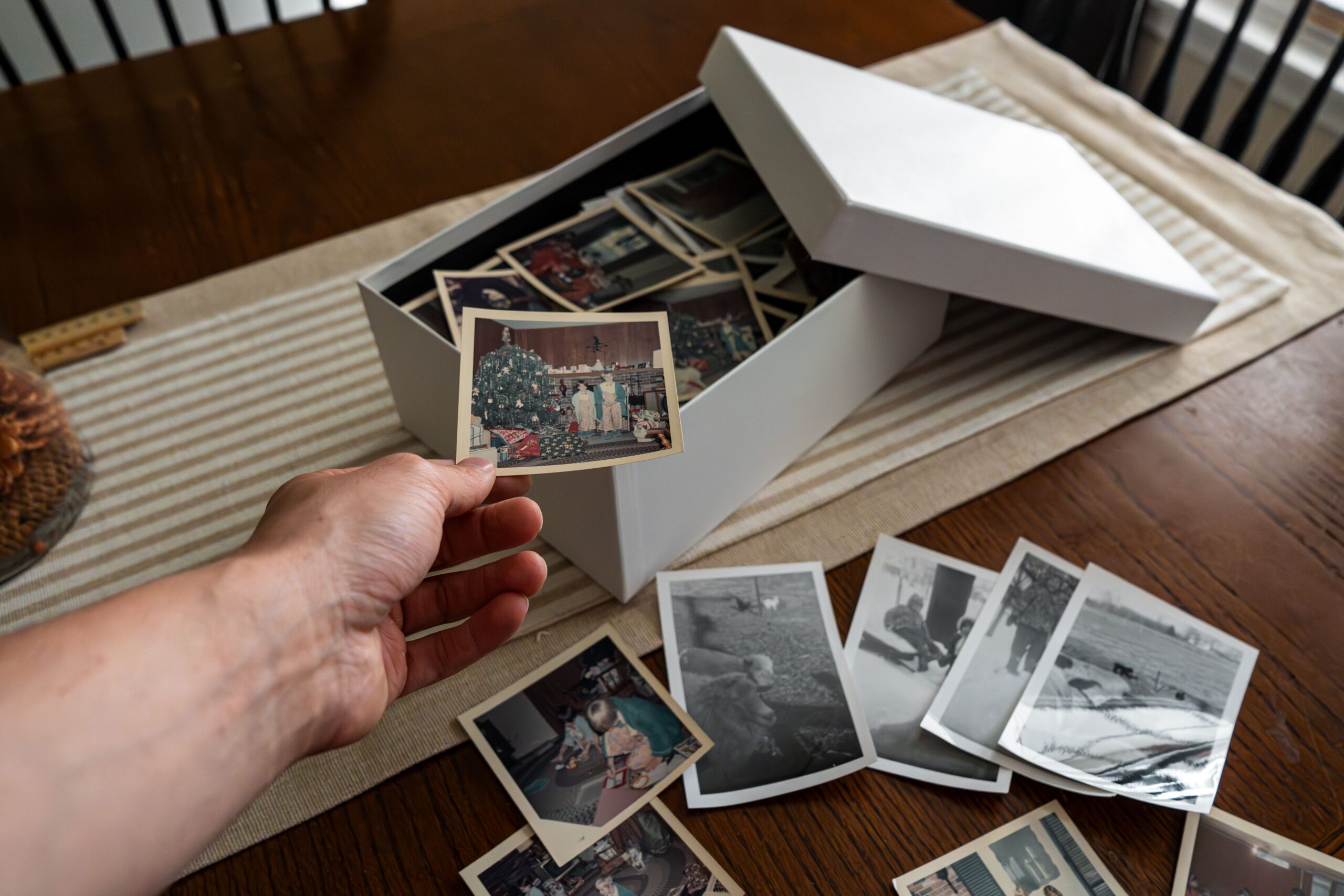
Photo albums, baby books, old letters, and family memory boxes are often left with parents because they feel like the safest place to keep them. These items may be worth holding onto, but it’s a good idea to sort through them together and decide who should keep the originals.