Have you ever wondered how some people consistently find incredible things at thrift stores while others walk out empty-handed? Although luck certainly plays a role, successful thrifting depends on how you shop, where you look, and what you pay attention to.
Experienced thrifters develop certain habits over time that help them spot quality pieces, recognize a good deal, and find things other shoppers walk right past.
Here are 12 things experienced thrifters do differently.
They Pay More Attention to Materials Than Brand Names
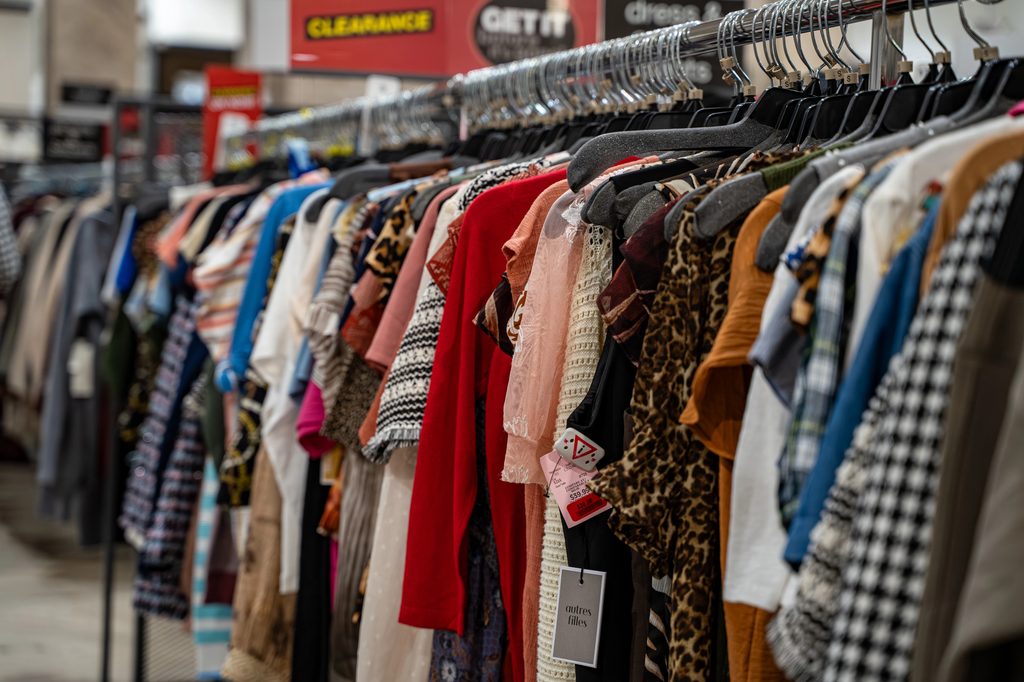
A recognizable brand doesn’t always guarantee quality, and an unfamiliar name doesn’t necessarily mean something is cheaply made. Experienced thrifters look for solid wood furniture, natural fabrics, quality stitching, sturdy construction, and other details that indicate something was built to last.
They Look Beyond an Item’s Current Appearance
An outdated picture frame, an unattractive lampshade, or a scratched wooden dresser might not look particularly appealing at first glance. Experienced thrifters consider what an item could look like with a little cleaning, a simple repair, or a different styling.
They Check the Return Racks
The racks near fitting rooms and checkout counters are often filled with items other shoppers liked enough to consider buying. Before leaving the store, experienced thrifters give these racks a quick look because someone else may have already done the hard work of finding something good.
They Visit the Same Thrift Stores Regularly
Experienced thrifters know that a store that has nothing worthwhile on Monday could be full of great finds by Wednesday. Visiting the same stores regularly also helps them become familiar with pricing, inventory turnover, and when new merchandise typically hits the floor.
They Shop Outside Their Usual Departments
Even if they’re looking for clothing, experienced thrifters will often take a stroll through the furniture, housewares, and miscellaneous sections. Items sometimes end up in the wrong department, and some of the best finds happen in the places you weren’t planning to look.
They Turn Things Over and Look Underneath
The underside of a piece of pottery, a serving dish, or a piece of furniture can reveal quite a bit about its origins and potential value. Experienced thrifters make a habit of checking for maker’s marks, signatures, manufacturing labels, and other identifying details before deciding whether something is worth buying.
They Research Items Before Buying Them
A quick Google search or Google Lens scan can help identify an unfamiliar brand, vintage collectible, or unusual piece of furniture. Experienced thrifters also understand that an item’s asking price online isn’t necessarily what it’s worth, so they’ll look at actual sold listings when available.
They Know That Not Everything at a Thrift Store Is a Good Deal
Just because something is secondhand doesn’t automatically make it a bargain. Experienced thrifters compare prices with what similar items cost elsewhere and aren’t afraid to put something back when the price doesn’t make sense.
They Keep Track of Sales and Discount Days
Many thrift stores offer rotating color-tag discounts, senior discounts, or special sale days throughout the week. Experienced thrifters learn these schedules and often plan their shopping trips around opportunities to save even more.
They Inspect Items More Thoroughly
Before buying something, experienced thrifters check for broken zippers, missing buttons, small stains, chips, cracks, and missing parts. They know the difference between a minor flaw that’s easy to fix and a problem that could end up costing more than the item itself.
They Explore Thrift Stores Outside Their Neighborhood
Shopping at the same two or three locations can limit what you come across. Experienced thrifters explore stores in different neighborhoods and smaller towns, including independently owned thrift shops, church-run stores, and charity shops that don’t always get as much foot traffic.
They’re Not Afraid to Leave Empty-Handed
One of the hardest lessons to learn as a thrifter is that you don’t need to buy something every time you visit a store. Experienced shoppers know there will always be another opportunity to find something worthwhile, and they’d rather leave empty-handed than spend money on something they don’t truly want.