
Cruises are often sold as an easy way to travel. You unpack once, enjoy meals onboard, and wake up in a new destination without booking hotels or arranging transportation every few days.
For many travelers, that sounds like the perfect vacation. But life on a cruise ship doesn’t always match the pictures, especially when crowds, small cabins, seasickness, and unexpected expenses get in the way.
Some passengers enjoy every minute of their cruise, while others come home knowing they won’t be booking another one. These complaints and unpleasant experiences can leave travelers feeling that way.
Illness Can Spread Quickly
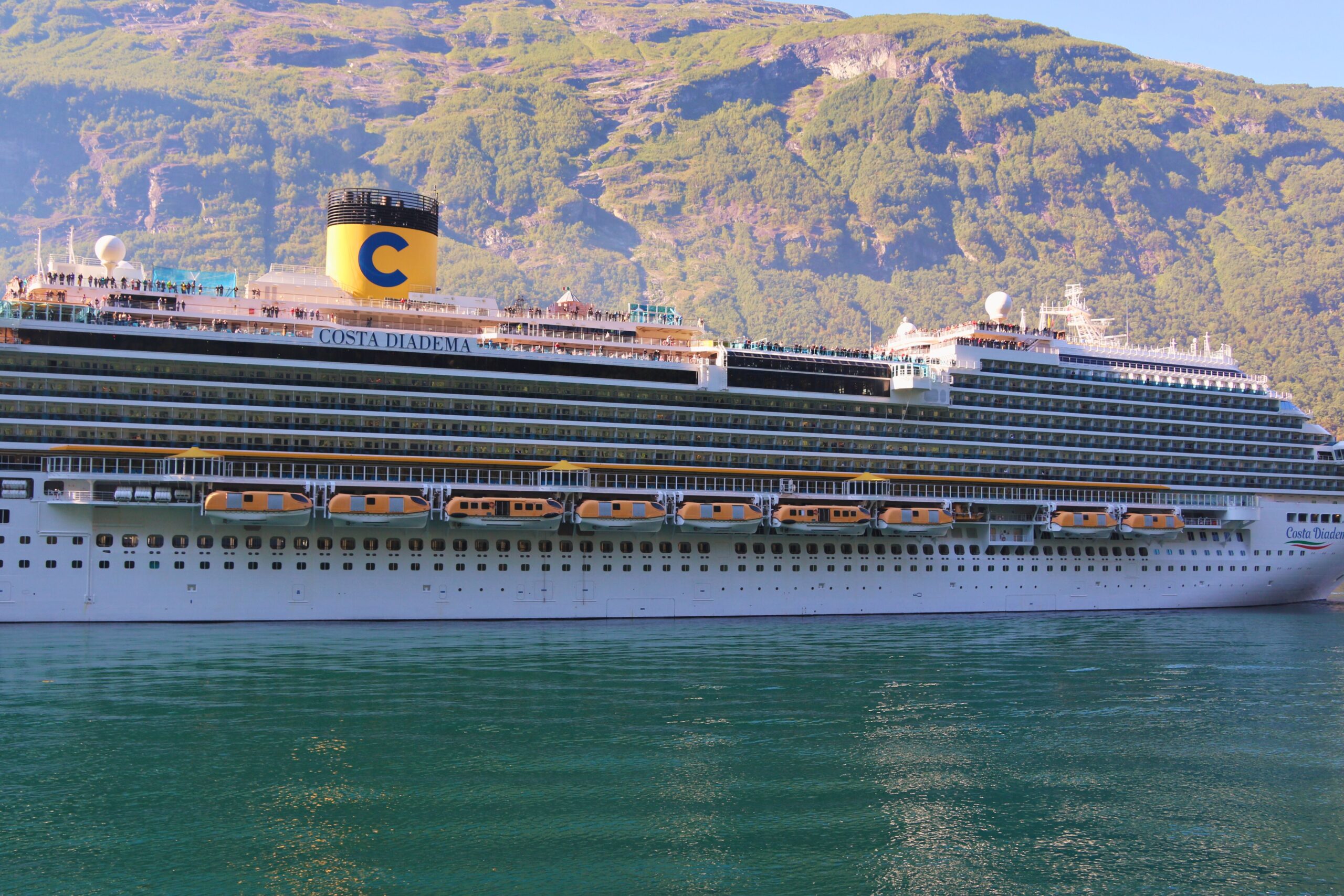
A cruise ship brings thousands of passengers and crew members together in shared spaces like dining rooms, elevators, pools, theaters, and bathrooms. If a stomach bug or respiratory illness gets onboard, it can spread among passengers before the trip is over.
Getting sick at sea is especially unpleasant because heading home early isn’t always an option. Spending several days feeling miserable inside a small cabin can quickly turn a vacation into something passengers would rather forget.
Motion Sickness Can Ruin the Trip
Cruise ships have stabilizers to reduce movement, but rough seas can still make the ship rock from side to side. Passengers who feel fine on calm water may struggle with nausea once the weather changes.
Seasickness medication and other remedies can help, but they don’t work the same way for everyone. For people who are sensitive to motion, spending hours feeling dizzy or nauseated can make the entire trip unpleasant.
The Itinerary Can Feel Disappointing
A cruise schedule can look exciting, especially when it lists several cities or countries in one trip. Seeing all those destinations can give passengers the impression that they’ll have plenty of time to explore each one.
Some port visits last only a few hours, leaving little time for sightseeing, meals, or activities away from the dock. Travelers who prefer to explore at their own pace may feel rushed as they try to return to the ship before departure.
You’re Stuck on the Ship Most of the Time
Once the ship leaves port, passengers have to make the most of whatever is available onboard. Restaurants, pools, entertainment areas, and other facilities become their main options until the next stop.
That arrangement works well for people who enjoy planned activities and spending time around other passengers. Those who prefer quiet spaces, spontaneous outings, or the freedom to change plans may feel trapped after a few days at sea.
The Food Isn’t Always as Good as Expected
Cruise ships offer plenty of dining options, from buffets and main dining rooms to cafes and room service. But having food available throughout the day doesn’t mean every meal will be worth looking forward to.
Preparing meals for thousands of people can limit how much variety and attention each dish receives. Specialty restaurants may offer something different, but the added fees can disappoint passengers who expected more from the meals included in their fare.
Ports Can Feel Like Tourist Traps
Some cruise ports are lined with souvenir shops, bars, restaurants, and vendors catering mainly to ship passengers. Stepping off the ship can sometimes feel more like entering a shopping area than visiting a new destination.
Some ports offer local neighborhoods, food, and attractions beyond the dock area. But passengers with only a short stop may spend most of their time in tourist-heavy spots instead of getting a feel for the place.
Related: 15 Most Overrated American Tourist Traps to Avoid
Cruise Ships Can Feel Crowded
A large cruise ship may look spacious in photos, but popular areas can fill up quickly. Restaurants, elevators, pools, theaters, and buffet lines are often busy during peak hours.
Finding a quiet seat or getting through a long line can become part of the daily routine. Passengers who booked a cruise hoping for a peaceful break may find the constant crowds tiring.
The Cabins Can Be Surprisingly Small
Cruise cabins are often much smaller than the rooms travelers are used to in hotels. Interior cabins can feel especially cramped, with limited floor space and little or no natural light.
A small room may be manageable on a short sailing, but it can become uncomfortable during a longer trip. Sharing the space with another person means finding room for suitcases, clothing, toiletries, and everything else you bring onboard.
The “Cheap” Price Can Add Up Fast
The advertised cruise fare may look affordable, but it doesn’t always cover everything passengers expect. Drinks, Wi-Fi, gratuities, specialty dining, shore excursions, spa treatments, and photos can all cost extra.
Those expenses can add up before the trip is over. Travelers who book based on the initial price may be surprised by their final bill, especially if they assumed most things were included.
Overdrinking Can Become a Problem
For some passengers, drinking is a big part of the cruise experience. Drink packages, poolside bars, and the vacation atmosphere can make it easy to have more alcohol than usual.
Problems can arise when other passengers become loud, argumentative, or disruptive after drinking. Anyone hoping for a quiet evening or a good night’s sleep may find the party atmosphere frustrating.
A cruise can be a great vacation for people who enjoy ocean views, onboard entertainment, organized activities, and visiting several destinations in one trip. But the experience isn’t for everyone, and crowded spaces, extra expenses, and limited freedom can make some passengers think twice before booking again.
For travelers who prefer more space and time to explore, a land-based vacation may be a better choice for their next getaway.
Other Topics You Might Like
- Forget Flying: Americans Are Hitting the Road for the Holidays— And Their Reasons Make Sense
- Before You Use Water on a Plane, Here’s What Experts Want You to Know
- Rising costs are forcing Californians to pack up and leave—Here’s where they’re going
- 8 Cruise Buffet Foods That Can Turn a Dream Vacation Into a Nightmare