Power strips are handy when you need extra outlets, but that doesn’t mean every household appliance belongs on one. Devices that produce heat, run powerful motors, or use a lot of electricity can put more strain on a power strip than it can safely handle.
The number of open outlets doesn’t determine whether a power strip is safe to use. Even one appliance can draw enough electricity to cause overheating, damage the strip, or create a fire hazard.
As a rule, plug high-wattage appliances directly into a suitable wall outlet, following the manufacturer’s instructions. Here are 10 items to keep off ordinary household power strips.
Refrigerators and Freezers
Refrigerators and freezers use compressors that can draw extra electricity when they start up. Plugging one into a power strip adds another possible point of failure, which could interrupt cooling and put your food at risk.
Portable Space Heaters
Space heaters use a lot of electricity to produce heat and often run for extended periods. Plugging one into a power strip can cause the strip to overheat, so connect it directly to a suitable wall outlet as the manufacturer recommends.
Air Conditioners
Window and portable air conditioners have compressors that require a considerable amount of electricity, especially when starting up. Use the outlet and circuit specified by the manufacturer rather than connecting an air conditioner to a standard power strip.
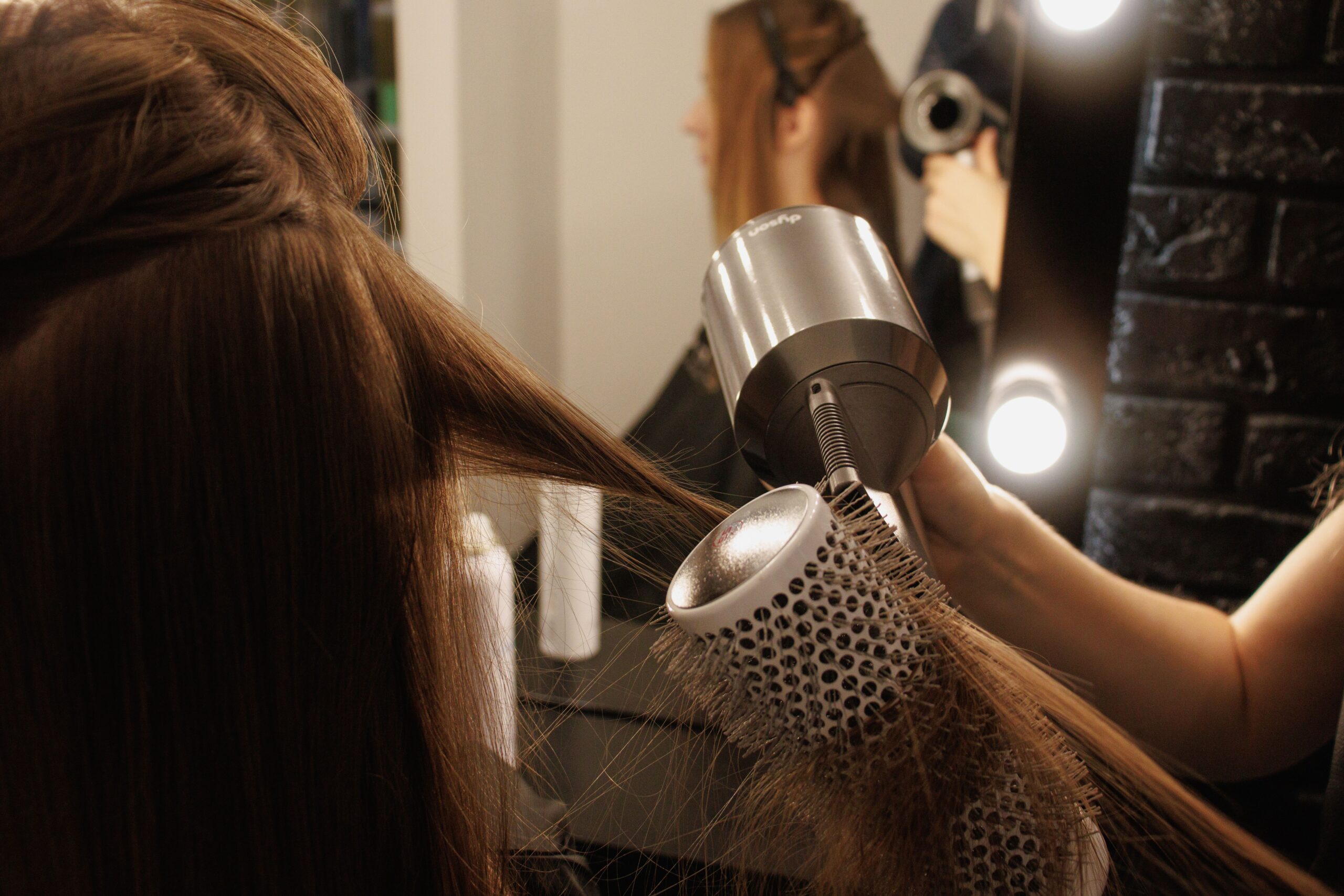
Hair Dryers and Heat-Styling Tools
Hair dryers may be small enough to fit in a bathroom drawer, but their heating elements can draw a lot of electricity. Plug high-wattage styling tools directly into a suitable wall outlet instead of a power strip.
Sump Pumps
A sump pump needs a reliable power supply, particularly during heavy rain when you need it most. Connecting it through a power strip adds another component that could fail, trip, or get switched off, so follow the pump manufacturer’s electrical instructions.
Washing Machines and Clothes Dryers
Washing machines and dryers have electrical requirements that ordinary power strips aren’t built to handle. Electric dryers usually need a dedicated higher-voltage circuit and the correct receptacle, so use the outlet intended for each appliance.
High-Powered Tools
Circular saws, sanders, and other motor-driven tools can draw extra electricity when starting up or working through tough materials. Use a suitable wall outlet or properly rated electrical equipment that meets the tool manufacturer’s requirements, rather than a standard household power strip.
Another Power Strip or Extension Cord
Plugging one power strip into another, known as daisy-chaining, can create an unsafe electrical setup. It can make overloading easier and increase the risk of overheating, so use properly installed wall outlets instead of connecting several strips and extension cords together.
Slow Cookers, Pressure Cookers, and Other Countertop Appliances
Slow cookers, electric pressure cookers, air fryers, and similar kitchen appliances can draw considerable electricity, particularly while their heating elements are running. Plug them directly into suitable wall outlets and follow each appliance’s instructions.
Microwaves and Toaster Ovens
Microwaves and toaster ovens use substantial amounts of electricity to heat food, even though they take up relatively little counter space. Keep them off standard power strips and plug them into appropriate wall outlets that meet the appliances’ electrical requirements.
Other posts you might like:
- Banana Peels Might Be the Most Underrated Natural Boost for Your Garden
- Stop Throwing Away Orange Peels — Some Call Them Trash, Others Call Them Kitchen Gold
- Simple DIY Fixes for the Most Annoying Problems Around the House
- 14 Practical Uses for Windex
- 15 Incredible Ways to Repurpose Used Coffee Grounds