Most everyday problems can be solved with a phone. GPS tells us where to go, grocery stores provide nearly everything we need, and a quick search can show us how to fix, cook or make just about anything.
But an emergency isn’t the ideal time to discover that you don’t know how to start a fire, read a map or make questionable water safer to drink. A dead phone, power outage, severe storm or unexpected night outdoors can quickly make basic hands-on skills much more important.
These aren’t skills that require living off-grid or preparing for the end of the world. They’re practical things worth knowing before you’re in a situation where you actually have to use them.
Preserve Food Without Relying Entirely on the Refrigerator
Food preservation can help prevent a harvest or food supply from going to waste, but each method has specific safety requirements. Dehydrating, canning, fermenting, smoking, and curing are useful skills when learned through tested food-safety guidance.
This is especially important for meat and low-acid foods, where improper preservation can create serious food-safety risks. Learn established methods rather than improvising preservation techniques during an emergency.
Grow Food and Understand Basic Animal Care
A productive food garden requires more than putting seeds in the ground. Knowing when to plant, how to improve soil, save seeds, manage pests and harvest crops gives you a much better chance of producing food consistently.
Raising chickens, ducks, goats or other livestock adds another set of skills, including feeding, shelter, fencing and basic daily care. Even if you never depend on a garden or animals for survival, learning to produce some of your own food reduces complete dependence on the grocery store.
Related: 8 Vegetables That Keep Producing the More You Harvest
Learn Basic First Aid
Cuts, burns, sprains and other injuries don’t always happen when professional help is immediately available. A basic first-aid course can teach you how to respond to common emergencies, use supplies correctly and recognize situations that require urgent medical care.
CPR and first-aid training are especially valuable because they’re difficult to learn effectively for the first time while an emergency is already happening. Keep a properly stocked first-aid kit accessible, and check it periodically for missing or expired supplies.
Start a Fire and Cook Without Power
Knowing how to build and maintain a fire can provide warmth, light and a way to prepare food when electricity or gas isn’t available. Practice arranging dry tinder, kindling and larger fuel, safely using matches or a lighter, and cooking outdoors with equipment such as a camp stove or cast-iron cookware.
Fire safety matters just as much as getting one started. Learn where outdoor fires are permitted, how to keep flames contained and how to extinguish a fire completely before leaving it.
Find Water and Make It Safer to Drink
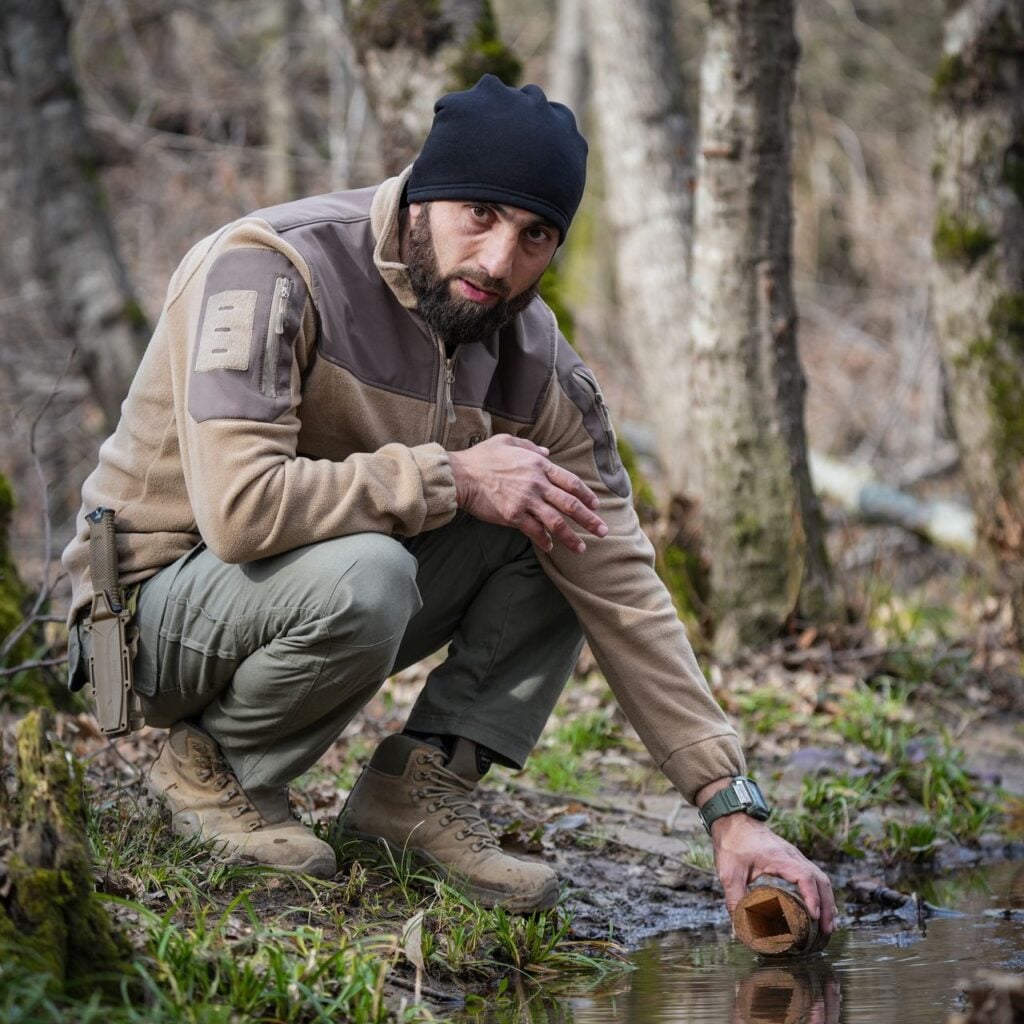
Finding water is only part of the problem because water from streams, lakes and other untreated sources can contain organisms or contaminants that aren’t visible. Learn appropriate emergency water-treatment methods, and keep supplies such as water filters or purification products with your emergency gear.
Boiling can kill many disease-causing organisms, but it doesn’t remove every type of chemical contamination. Knowing the limitations of different treatment methods is part of learning this skill.
Tie a Few Knots You Can Actually Use
You don’t need to memorize dozens of complicated knots, but knowing several dependable ones can be useful for securing gear, putting up a tarp or completing basic repairs. A bowline, square knot and two half hitches are good examples to practice until you can tie them without following instructions.
Navigate Without GPS
GPS is incredibly useful until a phone dies, breaks or can’t get a reliable signal. Knowing how to read a paper map and compass gives you another way to determine direction, understand your surroundings, and follow a planned route.
Keep appropriate local maps and emergency or outdoor supplies on hand instead of assuming they’ll always be available online. Navigation is also much easier to learn on a normal afternoon than when you’re already lost.
Repair and Care for Clothing and Gear
A torn jacket, broken backpack strap or damaged piece of equipment can become a much bigger problem when replacement supplies aren’t readily available. Basic hand sewing, patching, and simple gear repairs can keep essential items usable longer.
Knowing how to wash clothing by hand is also useful during extended power or water-service disruptions. A needle, strong thread, patches and a few basic repair supplies take up very little room in an emergency kit.
Build an Emergency Shelter
Exposure to heat, cold, wind and rain can quickly turn an uncomfortable situation into a dangerous one. Learn how to select an appropriate location and use a tarp, cordage or available materials to create basic protection from the weather.
Shelter doesn’t always mean constructing something from branches in the wilderness. It can also mean knowing how to create a warmer area inside a house during a winter power outage or safely use emergency shelter supplies.
Find Food in the Wild
Fishing, hunting, and foraging are separate skills, and none of them should be treated as something you’ll automatically figure out once food becomes scarce. They require knowledge of local regulations, seasons, equipment and, particularly with wild plants and mushrooms, accurate identification.
Learn foraging from knowledgeable local experts rather than photographs or quick online descriptions, because toxic plants can resemble edible ones. Fishing and hunting also require practice long before you can rely on them for food.
Learn to Recognize Changing Weather
Weather apps provide useful forecasts, but conditions can change quickly when you’re camping, hiking, boating or working outdoors. Paying attention to forecasts before leaving, changing cloud formations, wind, temperature and other environmental conditions can give you additional warning that it’s time to seek shelter or change plans.
Traditional weather observations can be useful, but they shouldn’t replace official severe-weather warnings when those are available. A battery-powered or hand-crank weather radio provides another way to receive alerts when electricity or internet service is unavailable.
Maintain Basic Sanitation
Clean water and food aren’t the only concerns during a prolonged emergency. Handwashing, safe waste disposal, clean food-preparation surfaces and separating contaminated items from clean ones can help prevent additional problems when normal utilities aren’t working.
Keep soap, trash bags, toilet paper, disinfecting supplies and other basic hygiene items with household emergency supplies. It’s much easier to maintain sanitation when the necessary supplies and a basic plan are already in place.
You Don’t Have to Learn These Skills During an Emergency
Reading about survival skills is a start, but many only become useful after you’ve practiced them. Fortunately, you don’t need to head into the wilderness alone to learn.
Local parks and recreation departments, community colleges, outdoor organizations and extension programs may offer classes in navigation, gardening, food preservation, fishing and other practical skills. CPR and first-aid courses are also widely available through organizations such as the American Red Cross and other certified training providers.
Some skills you can practice in everyday life. Try cooking a meal outside, navigate a familiar trail with a paper map and compass, mend a torn shirt, grow vegetables, practice useful knots or spend a weekend camping with the equipment you keep for emergencies.
The goal isn’t to master everything at once. It’s to learn these skills while the lights are on, the phone is charged and there’s plenty of time to figure out what you’re doing.