Thrifting is one of the best ways to save money, find one-of-a-kind items, and give perfectly good products a second life. But walking into a thrift store without a plan can lead to purchases you never use, missed bargains, or spending more than you intended.
Even people who thrift regularly make mistakes from time to time. A little extra attention while you shop can help you bring home pieces you’ll actually enjoy instead of adding more clutter.
Here are some of the most common thrifting mistakes to avoid.
Skip Cleaning Your Finds
Every secondhand item has been used by someone else, so it’s always a good idea to clean it before bringing it into regular use. Wash clothing and linens, wipe down hard surfaces, and disinfect items that will be handled often.
A little cleaning can make a secondhand purchase feel almost new.
Related: Does Goodwill Wash Clothes Before Putting Them on the Rack? Here’s What Really Happens
Assume Every Price Is a Great Deal
Just because something is in a thrift store doesn’t automatically mean it’s inexpensive. Some items are priced close to retail, while others are marked up because of their brand or popularity.
Take a moment to decide whether the item is actually worth the price before adding it to your cart.
Related: 15 Thrift Store Items That Often Resell for a High Profit
Rush Through the Aisles
The best finds usually aren’t sitting front and center. Inventory changes constantly, and shelves aren’t arranged with the same consistency as traditional retail stores.
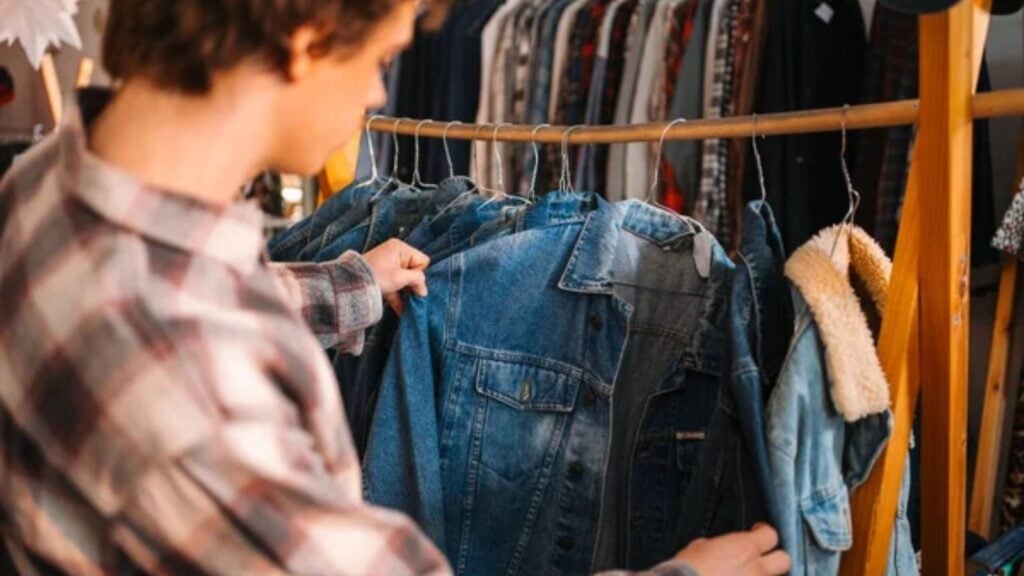
Slow down and check each rack carefully. Looking through items one at a time often leads to discoveries that would have been easy to miss.
Capital One Shopping makes it easy to save with automatic discounts and rewards at thousands of retailers. Sign up through my link, and you can get an $80 bonus, no purchase required.
Assume Everything Is in the Right Section
Items get misplaced all day long. Customers set things down wherever they happen to be, and employees may not have time to return every item to its proper location right away.
If you’re looking for something specific, don’t limit yourself to one aisle. Check nearby shelves and surrounding sections because great finds often end up where they don’t belong.
Expect Every Visit to Be Amazing
Thrifting is all about timing. One visit may turn up very little, while the next could be filled with incredible finds.
Many experienced shoppers stop by regularly instead of expecting every trip to produce something special. New donations arrive throughout the week, so each visit is different.
Buy Items You’ll “Fix Later”
It’s easy to convince yourself you’ll replace a zipper, reupholster a chair, or paint a cabinet once you get home. Sometimes that happens. Many times it doesn’t.
Before buying a project piece, think honestly about whether you’ll finish the work and whether the cost of repairs still makes the purchase worthwhile.
Ignore the Return Policy
Many thrift stores have limited return policies or don’t accept returns at all.
Before buying higher-priced items, ask whether returns or exchanges are allowed. Knowing the policy ahead of time can help you avoid an expensive mistake.
I’ve been using the Capital One Venture X, and it’s easily one of my favorite travel cards right now. If you apply through my referral link and get approved, you can earn up to 75,000 bonus miles plus travel perks like a $300 annual credit.
Miss Small Signs of Damage
Large flaws are easy to notice. Smaller ones often aren’t.
Take a close look for stains, loose seams, chipped corners, missing buttons, broken zippers, cracks, or worn fabric. Some flaws are simple to fix, while others aren’t worth dealing with.
Spending an extra minute inspecting an item can save you money later.
Trust the Size on the Tag
Clothing sizes have changed over the years, and different brands all fit differently.
A shirt labeled as your size may fit much smaller or larger than expected. Try clothing on if fitting rooms are available, or compare measurements before buying.
Skip Looking Up Unfamiliar Items
If you’re unsure about an item’s value or wondering whether the price is fair, take out your phone and do a quick search.
Checking prices online only takes a minute and can help you avoid paying too much or missing a valuable item.
Buy Electronics Without Testing Them
Electronics are one of the riskiest thrift store purchases if you don’t test them first.
Many stores provide outlets where customers can plug items in before buying. If testing isn’t possible, decide whether you’re comfortable taking the risk before heading to the register.
Related: 12 Old Electronics That Are Now Considered Vintage
Let Low Prices Talk You Into Buying Too Much
Finding inexpensive items can be exciting, but small purchases add up quickly.
Before checking out, go through your cart one more time and ask yourself whether you’ll actually use each item. If the answer is no, put it back.
The best thrift store purchase isn’t always the cheapest one. It’s the item that earns a place in your home instead of ending up back in the donation pile.