The early 2000s had a very specific kind of energy. Everything felt louder, shinier, and a little more dramatic. Celebrity magazines were everywhere, MySpace was becoming a daily habit, and whatever a famous person wore could turn into the next big trend almost overnight.
A lot of those trends seemed completely normal at the time. People followed them because everyone else was doing it, and some were just plain fun. But others came with pressure that we didn’t always recognize back then. Certain styles pushed narrow beauty standards, while diet culture and celebrity gossip made people feel like their bodies and personal lives were always up for judgment.
Looking back, some of these trends are fun to remember. Others make you wonder how they became so normal in the first place.
Here are 14 2000s trends that look very different through today’s eyes.
Juicy Couture Mania
Juicy Couture tracksuits were everywhere, but the tracksuit itself was only part of the appeal. The rhinestones, giant logos, matching bags, and unmistakable branding were a huge part of the look.
Having the right Juicy set could feel like a status symbol, especially after celebrities started wearing them. The more recognizable the outfit, the better.
Today, the look is mostly a nostalgic reminder of just how much we loved putting a giant logo on everything.
Low-Rise Jeans
Low-rise jeans were one of those trends that seemed impossible to escape. They sat so low on the hips that wearing them often came with an entirely separate set of worries about how your stomach, hips, and waist looked.
Celebrities like Britney Spears and Paris Hilton helped make the style hugely popular, and suddenly a very specific body type seemed to be treated as the ideal for wearing it.
For plenty of women and girls, that created a lot of pressure. You could like the jeans and still feel like your body wasn’t the right shape for them.
High-rise and mid-rise jeans eventually became more common, and plenty of people were happy to leave the constant low-rise struggle behind.
Over-Plucked Eyebrows
Thin eyebrows were everywhere in the 2000s. The goal was often a narrow, perfectly shaped line, which meant spending a lot of time with tweezers.
The trouble was that eyebrows don’t always grow back the way you expect. Some people spent years trying to fill in brows they had repeatedly over-plucked as teenagers.
Fuller brows are much more common now, which makes old photos especially funny. A lot of us were walking around with barely-there eyebrows because that was simply what everyone was doing.
Fad Diets
The early 2000s were packed with diet trends. Atkins, South Beach, cabbage soup diets, juice cleanses, and plenty of other restrictive plans promised quick results.
Food was often treated as something that had to be controlled, eliminated, or earned. Entire food groups could suddenly become the enemy, while losing weight was presented as the main sign that a diet was working.
Some people did find these diets useful for their own reasons, but the larger diet culture of the time often encouraged an unhealthy relationship with food and body image.
Looking back, it’s hard to miss how much pressure people were under to constantly change their bodies.
Velour Tracksuits
The velour tracksuit deserves its own spot because it became almost inseparable from 2000s celebrity culture.
Juicy Couture sets covered in rhinestones and logos became the unofficial uniform for the celebrity-off-duty look. Add a giant handbag, oversized sunglasses, and a tiny dog, and you had the full package.
At the time, the outfit was considered glamorous and fashionable. Now, it mostly brings back memories of an era when matching velour was somehow considered appropriate for almost every occasion.
Frosted Tips
Frosted tips were the male answer to many of the hair trends that took over the early 2000s.
Boy bands, actors, and teenage heartthrobs helped make bleached hair ends incredibly popular. Suddenly, guys who had never thought twice about their hair were spending time bleaching just the tips.
The look isn’t necessarily bad, but it’s one of those styles that can instantly tell you when a photo was taken. See frosted tips in a picture and there’s a good chance you can guess the decade.
Extreme Tanning
A deep bronze tan was once treated as the perfect summer look, and tanning beds became a regular part of beauty routines for many people.
There was a time when spending hours trying to get darker skin was treated as glamorous, while sunscreen was sometimes viewed as something that got in the way of getting a tan.
We know much more now about the risks of UV exposure and tanning beds. That makes the 2000s obsession with being as tan as possible look especially concerning in hindsight.
Trucker Hats as Status Symbols
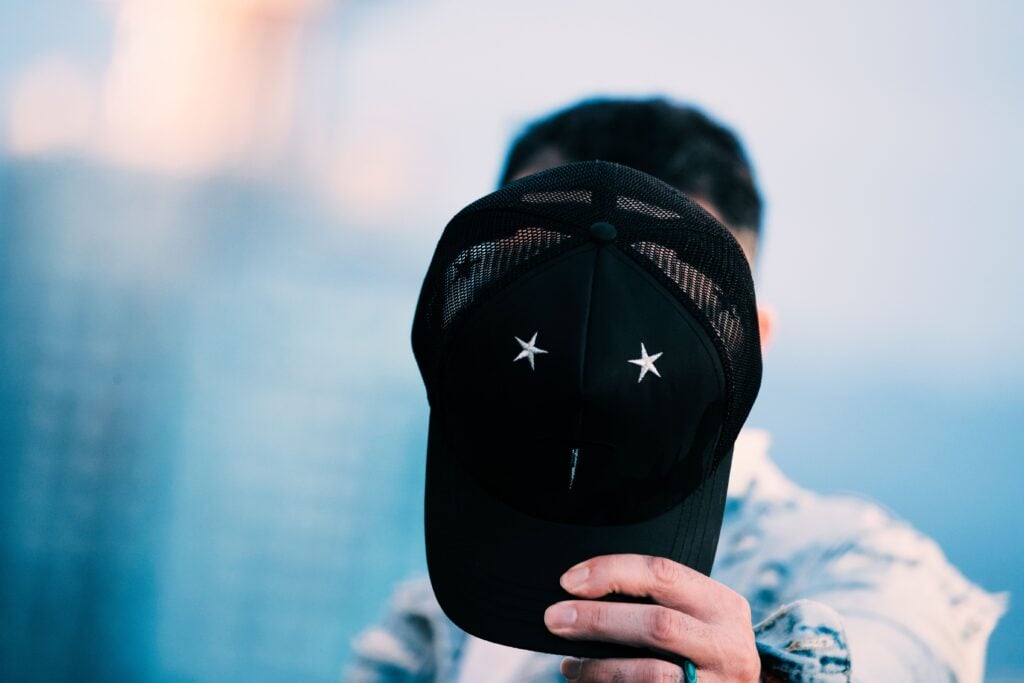
Trucker hats were originally practical workwear, but celebrities helped turn them into a major fashion trend.
Suddenly, everyone seemed to have one. Some had giant logos, funny phrases, or deliberately worn-in looks. They were often paired with the casual celebrity style that was popular at the time.
The trend was supposed to look relaxed and effortless, but the amount of thought that went into getting that “I don’t care” look was sometimes pretty obvious.
Today, a trucker hat can still be perfectly fine. The 2000s version just had a very particular attitude attached to it.
Ultra-Low Cut Tops
Low-cut tops were already popular, but the early 2000s took the trend much further. Some tops left very little to the imagination, and the look was common among celebrities, musicians, and young women.
For teenagers and young adults, that could create pressure to dress in ways that didn’t necessarily feel comfortable just to fit in.
A lot of 2000s fashion blurred the line between choosing a look because you liked it and feeling like you had to dress a certain way to be considered attractive.
Popped Collars
The popped polo collar had a serious moment in the mid-2000s.
One collar was one thing. Two collars, layered shirts, and a carefully styled preppy outfit took it to another level.
The look was tied to a polished, wealthy, preppy image, which made it feel less like a random clothing choice and more like a way of signaling where you fit socially.
Today, a popped collar mostly makes people think of old photos from the 2000s.
Scene Kid Culture
Teased hair, heavy eyeliner, skinny jeans, bright colors, neon hair streaks, and dramatic accessories all came together in scene culture.
For many teenagers, it was a way to stand out and find people with similar interests. At the same time, every subculture comes with its own rules about what you should wear, how you should look, and what music you should like.
That could make self-expression feel a little complicated. You were encouraged to be different, but there was still a very recognizable look you were expected to have.
Toxic Celebrity Gossip
Celebrity gossip magazines were a huge part of 2000s pop culture. Tabloids filled grocery store checkout lanes with stories about celebrities’ relationships, bodies, breakups, weight, partying, and personal problems.
Stars were often mocked for gaining weight, photographed during difficult moments, or criticized for things that would seem deeply personal today.
A lot of this was treated as harmless entertainment. Looking back, it’s easier to see how cruel some of it really was.
The constant public judgment also affected young people who were growing up with the idea that celebrities had to look perfect and behave perfectly all the time.
Excessive Body Glitter
If something could sparkle, we put glitter on it.
There was glitter lotion, glitter hairspray, glitter makeup, glitter body gel, and probably a glitter-covered version of just about every beauty product you could buy.
It was fun, but it also had a habit of ending up absolutely everywhere. Clothes, furniture, bathroom counters, car seats, nothing was safe.
There’s another issue that makes the trend look different today. Much of the traditional cosmetic glitter sold at the time was made from plastic, adding to the amount of tiny plastic particles that could end up in the environment.
MySpace Top 8 Drama
The MySpace Top 8 was basically a friendship ranking system that nobody asked for.
You picked eight friends to feature on your profile, and everyone could see who made the cut. Sounds harmless until someone noticed they had been removed, moved down the list, or replaced by someone else.
Friendships could suddenly become a public competition. People would ask why they weren’t in your Top 8, wonder why someone else was ahead of them, or change their own list in response.
It was one of the earliest examples of how social media could turn everyday social insecurity into something everyone could see.
Looking back, it’s almost funny how much drama could come from eight tiny profile pictures.