The Great Depression forced millions of families to rethink how they spent money and used the things they owned. With jobs disappearing and household budgets stretched thin, people had to find ways to make food last longer, repair broken belongings, and get as much use as possible out of everyday supplies.
Many of those habits may seem old-fashioned now, but plenty of them are still useful. Cooking at home, wasting less food, fixing clothing, and making do with what you already have can all help keep household expenses down.
Here are 14 money-saving habits from the Great Depression that are still worth trying today.
Stretch Meals With Affordable Staples
Beans, potatoes, rice, flour, and other inexpensive pantry staples helped families prepare filling meals without spending much. These foods can still make a grocery budget go further, especially when meat and other costly ingredients are used in smaller amounts.
A pot of bean soup, a potato casserole, or rice added to a stew can provide several servings from a modest amount of ingredients. Keeping these basics on hand also makes it easier to prepare dinner at home instead of ordering takeout.
Regrow Vegetables From Kitchen Scraps
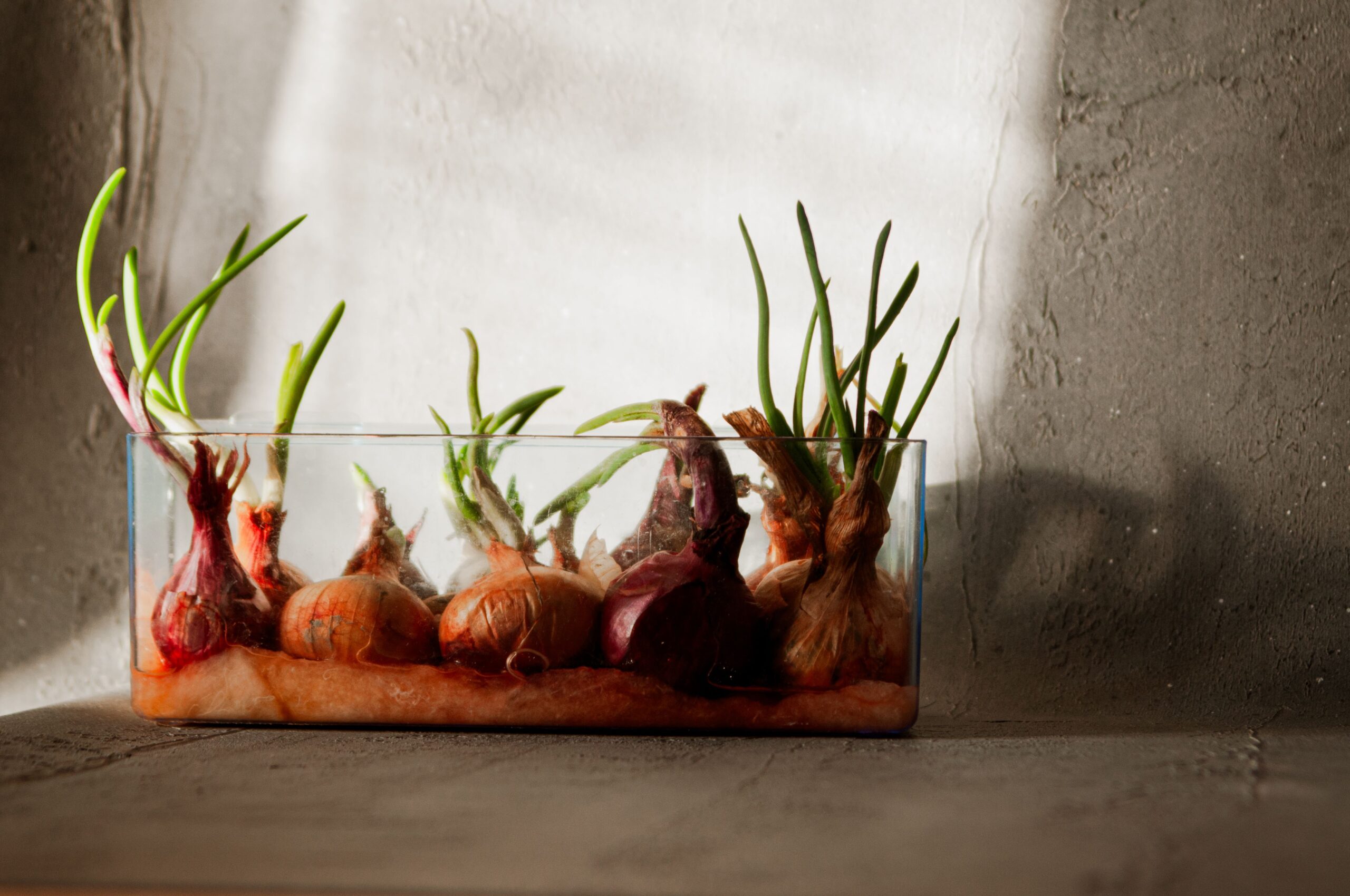
Some vegetables can produce new growth from parts that would normally end up in the trash. Green onions, celery, and certain types of lettuce can regrow from their bases, while potatoes can sprout and be planted under suitable conditions.
Growing food from scraps won’t replace your regular grocery shopping, but it can provide a little extra produce for very little money. It’s also a fun way to get another use out of food you’ve already purchased.
Make Bone Broth From Leftovers
Instead of throwing away leftover bones or vegetable trimmings, families found ways to turn them into something useful. Simmering suitable scraps in water can produce broth for soups, stews, and other meals.
You can do the same by freezing leftover chicken or beef bones and suitable vegetable scraps until you have enough to make a batch of stock. Strain the finished broth and refrigerate or freeze it for later use.
Preserve Food at Home
Canning, drying, fermenting, and storing food in cool places helped families make seasonal ingredients last longer. Preserving food was especially useful when fresh produce was plentiful and buying it later in the year cost more.
These methods can still help if you grow your own vegetables or find a good deal at the farmers market. For home canning, follow tested recipes and current food-safety instructions rather than guessing at processing times or relying on old recipes with unverified directions.
Learn to Forage
Wild berries, nuts, greens, and other edible plants have provided extra food for generations. For families trying to spend as little as possible, gathering certain foods from nature could help supplement what they had at home.
Foraging can still be inexpensive, but identifying plants correctly is serious business. Some poisonous plants look very similar to edible ones, so use a reliable local field guide or learn from an experienced instructor before eating anything you find.
Cook With Less Energy
Fuel wasn’t free during the Great Depression, so families had good reason to make each cooking session count. Preparing several dishes at once or cooking a larger pot of food could reduce the need to use the stove repeatedly.
The same idea can help with household energy costs today. Prepare several meals in one oven session, use a pressure cooker for foods that take a long time to cook, and make extra portions so you have meals ready for another day.
Save and Repurpose What You Can
A glass jar, scrap of fabric, or leftover piece of wood didn’t have to go in the trash just because its original purpose was finished. People often find another use for everyday items instead of buying something new.
You can do the same with glass jars for pantry storage, old towels for cleaning cloths, and leftover materials for small household repairs. There’s no need to keep every empty container or scrap, but holding on to things with a practical use can save a few purchases.
Make Homemade Cleaning Products
Some basic household cleaning jobs can be handled with inexpensive supplies such as soap, baking soda, and vinegar. Making a few simple cleaners at home may help reduce the number of specialty products you buy.
Be careful about mixing ingredients, since some combinations can be dangerous. Never mix bleach with vinegar, ammonia, or other cleaning products unless the label specifically confirms they are safe to combine.
Related: People Are Sharing the One Cleaning Product That Replaced Almost Everything in Their Homes
Sew and Mend Clothing
A torn shirt or missing button didn’t automatically mean buying a replacement. Basic sewing skills helped families keep their clothes wearable for much longer.
Learning to sew on buttons, repair small tears, patch worn fabric, and fix loose seams can save money today too. A few simple sewing supplies may be all you need to keep a favorite piece of clothing in use.
Conserve Water
Water can be easy to take for granted, but using more than you need can increase your utility bill. Fixing dripping faucets, taking shorter showers, and turning off the tap while brushing your teeth are simple ways to cut back.
Running the dishwasher and washing machine with full loads can also help reduce unnecessary water use. If you collect rainwater for your garden, check local rules and use it only for permitted purposes.
Grow Your Own Food
Backyard gardens gave many families access to fresh vegetables and herbs when grocery money was limited. You don’t need a large yard to try growing a few things at home.
Tomatoes, peppers, lettuce, and herbs can grow in containers with enough sunlight and suitable conditions. Even a small patio or balcony garden can provide fresh ingredients throughout the growing season.
Reuse and Repair Before Replacing
Buying a replacement is often easier than fixing something, but it can also cost more. Before shopping for a new item, check whether a loose screw, broken button, or worn hinge can be repaired with inexpensive supplies.
Small repairs can keep household items in use for years and save you from making unnecessary purchases. Leave electrical appliances, gas equipment, and repairs involving serious safety risks to qualified professionals.
Compost Food Scraps
Vegetable peels, fruit scraps, coffee grounds, and other suitable organic materials can be turned into compost instead of going straight into the garbage. The finished compost can improve garden soil and reduce the need to buy as much bagged material.
A small backyard compost bin or a suitable countertop collection container can help you get started. For a basic home compost system, avoid adding meat, dairy, and greasy foods unless your composting setup is designed to handle them.
Use Simple Home Remedies Carefully
Families often relied on household ingredients and traditional remedies for minor everyday complaints. Warm drinks, honey, and certain herbs were common parts of home care long before modern products became widely available.
Some simple remedies can still provide comfort, but they shouldn’t replace medical care when it’s needed. Natural ingredients can cause side effects or interact with medications, so it’s worth checking with a healthcare professional before using unfamiliar herbs or treatments.