Saturday mornings in the ’80s had a rhythm all their own. You’d roll out of bed earlier than you ever did for school, pour yourself a bowl of cereal, and settle in front of the TV before anyone else was awake. Those few hours felt like they belonged to kids.
There were no streaming services or endless menus to scroll through. If you missed an episode, you waited until it came back around. That made every Saturday lineup feel like an event, and many of these cartoons became part of childhood for an entire generation.
Teenage Mutant Ninja Turtles (1987–1996)
Four pizza-loving turtles, a wise rat named Splinter, and villains like Shredder and Krang turned this series into one of the biggest hits of the decade. Leonardo, Michelangelo, Donatello, and Raphael each had their own personalities, so every kid had a favorite. The mix of action, jokes, and memorable one-liners kept fans tuning in week after week.
Related: 16 Saturday Morning Cartoons from the ’60s and ’70s You Probably Remember
The Jetsons (1985–1987 Revival)
The Jetsons returned with new episodes after their original run in the 1960s. George, Jane, Judy, Elroy, Astro, and Rosie still dealt with everyday family life, except they did it with flying cars, robot helpers, and futuristic gadgets. It was fun to picture what the future might look like, even if plenty of those predictions never came true.
The Smurfs (1981–1989)
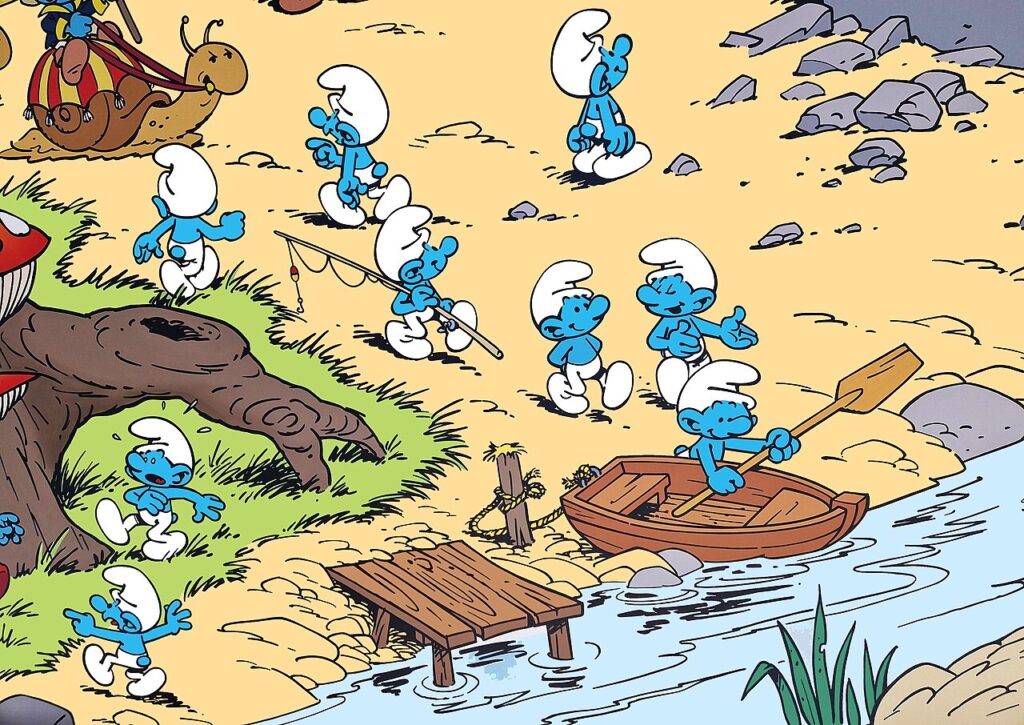
Life in Smurf Village was simple, peaceful, and usually interrupted by Gargamel’s latest plan to catch the tiny blue characters. Papa Smurf kept everyone together while each Smurf brought something different to the group. The stories followed a familiar pattern that made the show easy to settle into every weekend. And for many people, the theme song is still impossible to forget.
Related: 16 Things Every ’70s Kid Did Before Sitting Down to Homework
The Real Ghostbusters (1986–1991)
Inspired by the hit movie, this animated series gave the Ghostbusters plenty of new supernatural adventures. Strange ghosts, haunted buildings, and creepy creatures kept each episode interesting, while Slimer added plenty of laughs along the way. It expanded the movie’s story without losing what fans already loved.
Transformers (1984–1987)
The battle between the Autobots and Decepticons quickly became one of the biggest cartoon rivalries of the decade. Optimus Prime led the Autobots against Megatron in stories that continued from one episode to the next, making the series feel bigger than many cartoons of its time. Kids didn’t just want to watch it—they wanted the toys afterward.
Related: 10 Annoying Things We All Did as Kids That Secretly Drove Our Parents Nuts
G.I. Joe: A Real American Hero (1983–1986)
The G.I. Joe team faced Cobra in missions filled with action, gadgets, and colorful characters. Every episode moved quickly without becoming confusing, making it easy for younger viewers to follow along. The short lesson at the end, ending with “Now you know,” became almost as famous as the show itself.
Scooby-Doo and Scrappy-Doo (1979–1984)
Adding Scrappy-Doo gave the longtime mystery series a different feel. While Scooby still preferred running from monsters, Scrappy charged straight toward trouble with complete confidence. The mysteries stayed familiar, but the faster pace and new character kept things fresh for young viewers.
ThunderCats (1985–1989)
After losing their home planet, the ThunderCats settled on Third Earth and fought against Mumm-Ra and other enemies. The series mixed fantasy, science fiction, and action in a way that stood apart from many Saturday morning cartoons. Its dramatic opening and memorable characters made it an instant favorite.
Alvin and the Chipmunks (1983–1990)
Alvin, Simon, and Theodore found themselves in all kinds of trouble while balancing school, music, and everyday life. Their songs became just as popular as the stories themselves, giving the show a fun energy that appealed to kids of all ages. It offered a nice change of pace from cartoons built around battles and villains.
DuckTales (1987–1990)
Scrooge McDuck and his nephews traveled the globe searching for treasure, solving mysteries, and stumbling into one adventure after another. The stories often felt bigger than the average cartoon, with clever plots and memorable locations. Few theme songs have remained as recognizable as the one that opened every episode.
Garfield and Friends (1988–1994)
Garfield’s favorite things rarely changed. He loved lasagna, hated Mondays, and avoided work whenever possible. His dry sense of humor carried the series, while Odie and Jon added plenty of laughs. It was a relaxed comedy that didn’t need nonstop action to keep viewers entertained.
Muppet Babies (1984–1991)
Instead of following the famous Muppets as adults, this series pictured them as children whose imaginations turned ordinary afternoons into wild adventures. One moment they were in the nursery, and the next they were pirates, explorers, or astronauts. Every episode felt playful and full of surprises.
Inspector Gadget (1983–1986)
Inspector Gadget had every gadget a detective could ask for, yet he almost never figured out the mystery himself. His niece Penny and her dog Brain quietly solved the cases while Gadget stumbled from one mishap to another. That running joke never seemed to get old.
The Care Bears (1985–1988)
The Care Bears focused on kindness, friendship, and helping others solve their problems. Each bear had its own special symbol and personality, making them easy to recognize. The slower pace gave kids a break between the louder, action-filled cartoons that surrounded it.
Related: 12 Electronics You Probably Owned That Are Vintage Today
Super Friends (1973–1986, Popular Throughout the ’80s)
For many kids, Super Friends was their first introduction to Superman, Batman, Wonder Woman, Aquaman, and the rest of DC’s biggest heroes. The stories centered on teamwork, with the heroes joining forces to stop dangerous villains. It helped spark a lifelong interest in comic book characters for plenty of viewers.
He-Man and the Masters of the Universe (1983–1985)
Prince Adam transformed into He-Man whenever Eternia needed its greatest hero. Armed with the Sword of Power, he faced Skeletor and his army in battles that mixed magic, strange creatures, and futuristic machines. The action kept kids hooked, and the closing moral at the end of each episode became one of the show’s most memorable traditions.