Most emergencies don’t give you much time to prepare. A power outage can happen without warning, a storm can close roads, or a water interruption can turn an ordinary day into a major inconvenience.
Being prepared doesn’t mean filling every corner of your home with supplies. A few practical items can make a big difference when stores are closed, utilities are down, or getting out of the house isn’t an option. The trick is thinking about the things you use every day and figuring out what you’d need if you suddenly couldn’t buy them.
Whether you’re preparing for a hurricane, winter storm, extended blackout, or another unexpected disruption, these supplies are worth having around.
Non-Perishable Food
Canned vegetables, beans, rice, pasta, peanut butter, crackers, and other shelf-stable foods can keep meals going when you can’t make a grocery run. Having several different types of food also gives you more choices if cooking becomes difficult.
Related: 14 Things Every Prepper Should Stockpile Besides Food and Water
Water
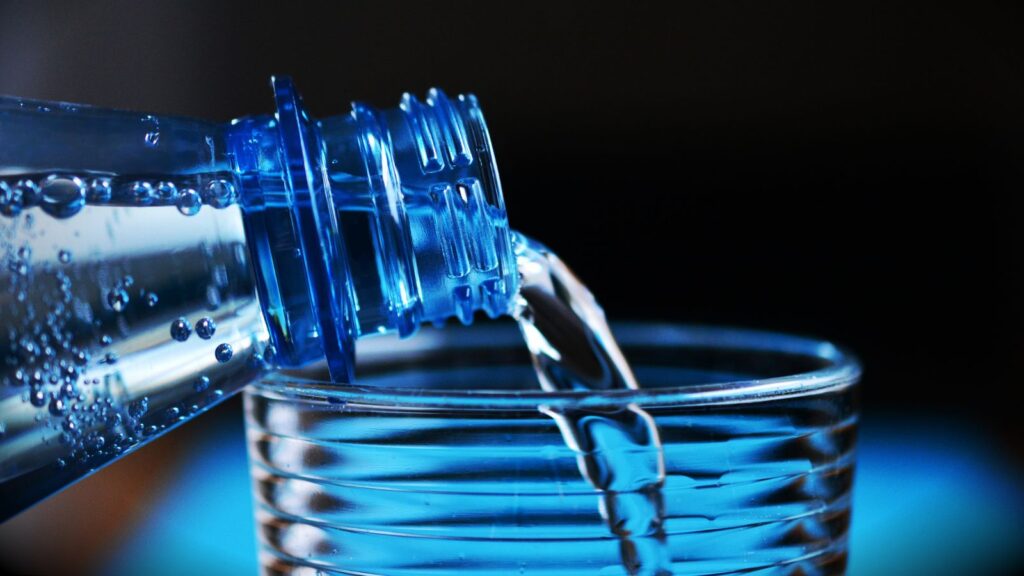
A household can get by without plenty of things, but water isn’t one of them. Store enough drinking water for everyone in your household, and keep some extra for cooking and basic hygiene. A portable water filter or purification tablets can provide another option if your stored supply runs out.
Personal Hygiene Products
Toothpaste, soap, shampoo, deodorant, toilet paper, feminine hygiene products, and other personal-care items can be easy to overlook. Yet running out of them during a long outage or store closure can make an already stressful situation much harder.
Personal Sanitation Supplies
Trash bags, disinfecting wipes, hand sanitizer, bleach, paper towels, and similar supplies can become extremely useful if normal water or waste services are interrupted. Keeping your living space clean is especially important during a prolonged emergency.
Fire Extinguishers
Candles, portable heaters, camp stoves, generators, and other backup equipment can create additional fire hazards if they’re used incorrectly. Keep the right type of fire extinguisher in an accessible location and check it from time to time to make sure it’s still in working condition.
First Aid Supplies and Medications
A basic first aid kit can handle cuts, burns, sprains, and other minor injuries when getting to a store or medical facility isn’t easy. Keep commonly used over-the-counter medicines on hand, along with an adequate supply of prescription medications based on your doctor’s instructions and pharmacy availability.
Related: 14 Emergency Supplies Every Prepper Should Have on Hand
Garbage Bags
A roll of heavy-duty garbage bags can come in handy for far more than household trash. They can hold dirty clothing, contain debris, protect items from moisture, and help with cleanup after a storm or plumbing problem.
Personal Protective Equipment (PPE)
Work gloves, dust masks, protective eyewear, and other basic protective gear can be useful during cleanup or repair work. Having these items available can keep you from putting yourself at unnecessary risk while dealing with damaged materials, dust, or debris.
Emergency Radio
If the electricity and internet go out, an emergency radio can help you keep up with weather alerts and local instructions. A hand-crank or battery-powered radio gives you a way to receive information without relying on your phone or home internet connection.
Entertainment Items
A long power outage can feel much longer when everyone is sitting around with nothing to do. Books, playing cards, board games, puzzles, coloring supplies, and other offline activities can keep kids and adults occupied until normal routines return.
Related: 25+ Fun Backyard Entertainment Ideas Everyone Will Love
Cleaning Supplies
Storms, flooding, plumbing problems, and other emergencies can leave behind plenty of mess. Keep some basic cleaning supplies, disinfectants, paper towels, and other household cleaners in an easy-to-reach spot so you’re ready to deal with spills and cleanup.
Fire-Starting Supplies
Waterproof matches, lighters, and commercial fire starters can be useful if you have an approved outdoor cooking setup or need to use a fireplace or other appropriate heat source. Keep anything that produces an open flame away from children and flammable materials.
Lighting
The first thing many people reach for during a blackout is a flashlight. Keep several around the house rather than storing one in a single drawer. Battery-powered lanterns, headlamps, and solar lights can also make it easier to move around safely after dark.
Sewing Kit and Fabric Repair Supplies
A needle, thread, scissors, patches, safety pins, and spare buttons don’t take up much room. They can help repair clothing, blankets, bags, and other fabric items instead of forcing you to replace them.
Related: Sewing Is Making a Comeback and More People Are Learning It Again
Yarn and Knitting or Crochet Supplies
Knitting and crochet supplies can give you something useful to do during a long outage. Yarn can also be turned into blankets, scarves, hats, and other warm items. For families who already enjoy these hobbies, keeping extra supplies around can be an easy addition to an emergency stash.
Canning and Food Preservation Supplies
If you grow a garden or have access to a large amount of fresh produce, food-preservation supplies can help you make the most of it. Canning jars, lids, dehydrating equipment, and other supplies give you more ways to store food instead of letting a large harvest go to waste.
Manual Can Opener
A cabinet full of canned food isn’t very helpful if you have no way to open it. Keep at least one sturdy manual can opener with your emergency supplies. It’s inexpensive, takes almost no room, and doesn’t depend on electricity.
Basic Tools and Rope
A hammer, screwdrivers, pliers, adjustable wrench, utility knife, duct tape, rope, and basic hardware can handle many small repairs. These tools can be useful for everything from securing loose objects to making temporary repairs after storm damage.
Water Purification Equipment
Stored water gives you a reserve, but having another way to treat water adds another layer of preparedness. Portable filters and purification tablets can be useful during certain emergencies, provided they’re used according to the manufacturer’s instructions and for water sources they’re rated to treat.
Aluminum Foil
A roll of aluminum foil takes up little storage space and has plenty of everyday uses. It can help with cooking, covering food, protecting surfaces, and making temporary household repairs. It’s one of those inexpensive items that’s easy to overlook until you need it.
Seeds
Seeds won’t help much during a short-term emergency, but they can be useful for anyone interested in growing some of their own food. Choose varieties suited to your local climate and learn how to grow them before you actually need the harvest.
Fuel
A backup fuel supply can be useful for equipment that your household already relies on, such as a properly installed generator, camp stove, or other approved appliance. The right fuel depends on the equipment, so store and handle it according to the manufacturer’s instructions and local safety rules.
Build Your Emergency Supplies Gradually
You don’t have to buy everything on this list at once. Start with the basics your household would need first, then add a few items during regular shopping trips.
The goal isn’t to prepare for every possible disaster. It’s to make everyday life a little easier if the normal conveniences you rely on suddenly aren’t available. A stocked pantry, a few backup tools, reliable lighting, and basic sanitation supplies can go a long way when you’re dealing with an unexpected disruption.