Household clutter can build up easily when we’re unsure where else to put certain things. Closets, basements, attics, garages, and spare rooms can slowly fill with old electronics, cardboard boxes, leftover paint, and food we forgot we had.
Some of these belongings take up space for no good reason, while others can attract pests, grow mold, or create safety hazards if stored improperly. If you’re cleaning out your home, here are eight things worth getting rid of or moving to a safer place.
Hazardous or Flammable Products
Gasoline, propane cylinders, paint thinner, pesticides, solvents, and similar products shouldn’t be tucked away in random closets or living spaces just because there’s an empty spot. Some can leak, release harmful fumes, or catch fire, so follow the manufacturer’s storage instructions and take unwanted products to an appropriate disposal facility.
Things You’re Only Keeping Because You Don’t Know How to Dispose of Them
Old paint, batteries, broken appliances, electronics, and household chemicals often sit around for years because they can’t go in the regular trash. Check your local recycling centers, hazardous-waste collection sites, and donation programs to find out where these items belong instead of letting them take up space indefinitely.
Expired and Forgotten Food
An old bag of flour, forgotten cereal, or half-used package of pantry staples can sit at the back of a cupboard long after it’s safe to use. Check expiration dates and food condition regularly, discard anything that has spoiled or become contaminated, and donate unopened food that’s still safe and suitable for donation.
Important Documents in Basements or Attics
Birth certificates, passports, legal papers, and family photographs shouldn’t be left in cardboard boxes in places that experience moisture or extreme temperature changes. Store these items in a dry, secure location, preferably in protective containers, and keep digital copies of documents that would be difficult to replace.
Wet or Damp Clothing and Linens
Putting damp towels, blankets, jackets, rugs, or clothes into a closet or storage bin can lead to musty smells and mildew. Let everything dry completely before putting it away, especially if it will be stored for several weeks or months.
Mountains of Plastic Grocery Bags
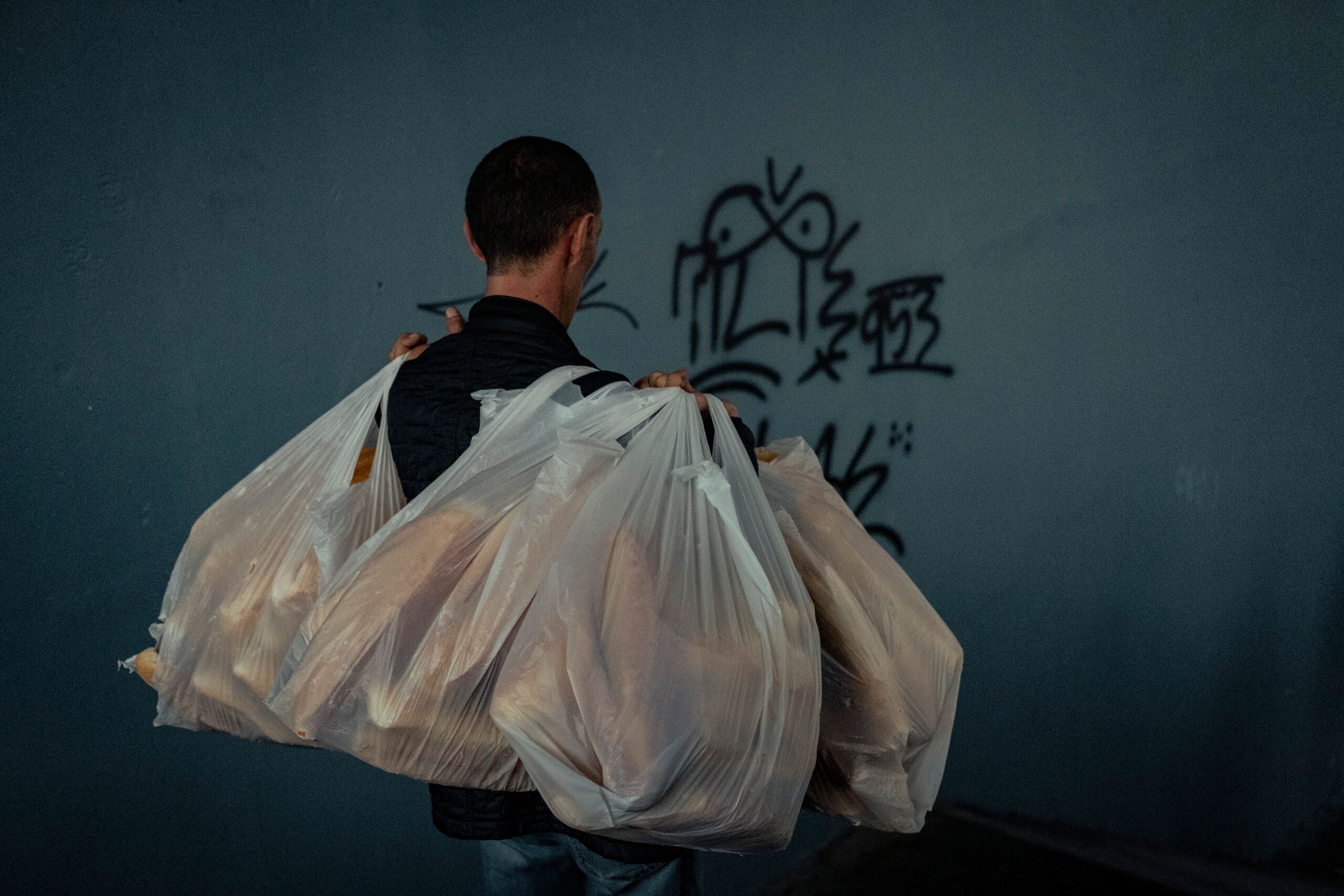
Saving a few grocery bags for small trash bins, pet cleanup, or other household uses can come in handy. But if bags are spilling out of cabinets and drawers, keep a manageable supply in one container and recycle the extras where local programs accept them.
Broken Electronics
Old phones, laptops, chargers, headphones, and small appliances often stay in storage because we keep telling ourselves we’ll fix them someday. If you haven’t used or repaired something in years, remove personal data when necessary and take it to an electronics recycling program that accepts that type of device.
Piles of Cardboard Boxes, Newspapers, and Magazines
Stacks of paper and cardboard can collect dust, absorb moisture, and give insects and rodents places to hide or nest. Recycle what you no longer need, and store belongings in sturdy lidded containers instead of keeping piles of empty boxes around the house.