Cherries can be one of the best things about summer, but they can also be surprisingly disappointing when you choose the wrong bag. They aren’t exactly cheap either, which makes it even more frustrating to get home and discover that half of them are soft, bland, bruised, or already starting to spoil.
The tricky part is that a bag of cherries can look perfectly good at first glance. Knowing what to check beyond that bright, glossy exterior can help you bring home cherries that are fresher, firmer, and better suited for whatever you plan to make.
Before putting that next bag in your cart, watch for these signs that you may be choosing the wrong cherries.
The Cherries Are Either Rock-Hard or Very Soft
Give a few cherries a very gentle feel through the bag or container before buying them. You want fruit that feels plump and firm rather than shriveled, excessively hard, or so soft that it gives easily under light pressure.
Cherries don’t continue ripening the way bananas or peaches do once they’re picked, so don’t count on an undesirable bag dramatically improving on your kitchen counter. Soft spots can also be an early warning that bruising or deterioration has already started.
You’re Choosing Cherries Based on Color Alone
A deep red color can look like an obvious sign of a perfectly ripe cherry, but color isn’t enough to judge an entire bag. Different varieties naturally have different coloring; Bing cherries typically become darker as they mature, while Rainier cherries are known for their yellowish skin with a red or pink blush.
Instead of automatically reaching for the darkest bag, consider the variety you’re buying and look for consistent, healthy-looking color throughout. Cherries that appear dull, unusually discolored, or noticeably different from the rest of the bag deserve a closer look.
You’re Buying Them Too Early in the Season
Seeing the first cherries of the year at the grocery store can make it tempting to grab a bag immediately, but the earliest fruit isn’t necessarily going to give you the best flavor or value. Cherries sold outside the peak growing season may also have traveled considerable distances before reaching your supermarket.
U.S.-grown sweet cherries are generally most abundant during late spring and summer, although timing varies by growing region and variety. Shopping when cherries are plentiful can also give you more bags to compare instead of settling for whatever happens to be available.
The Stems Look Dry and Brittle
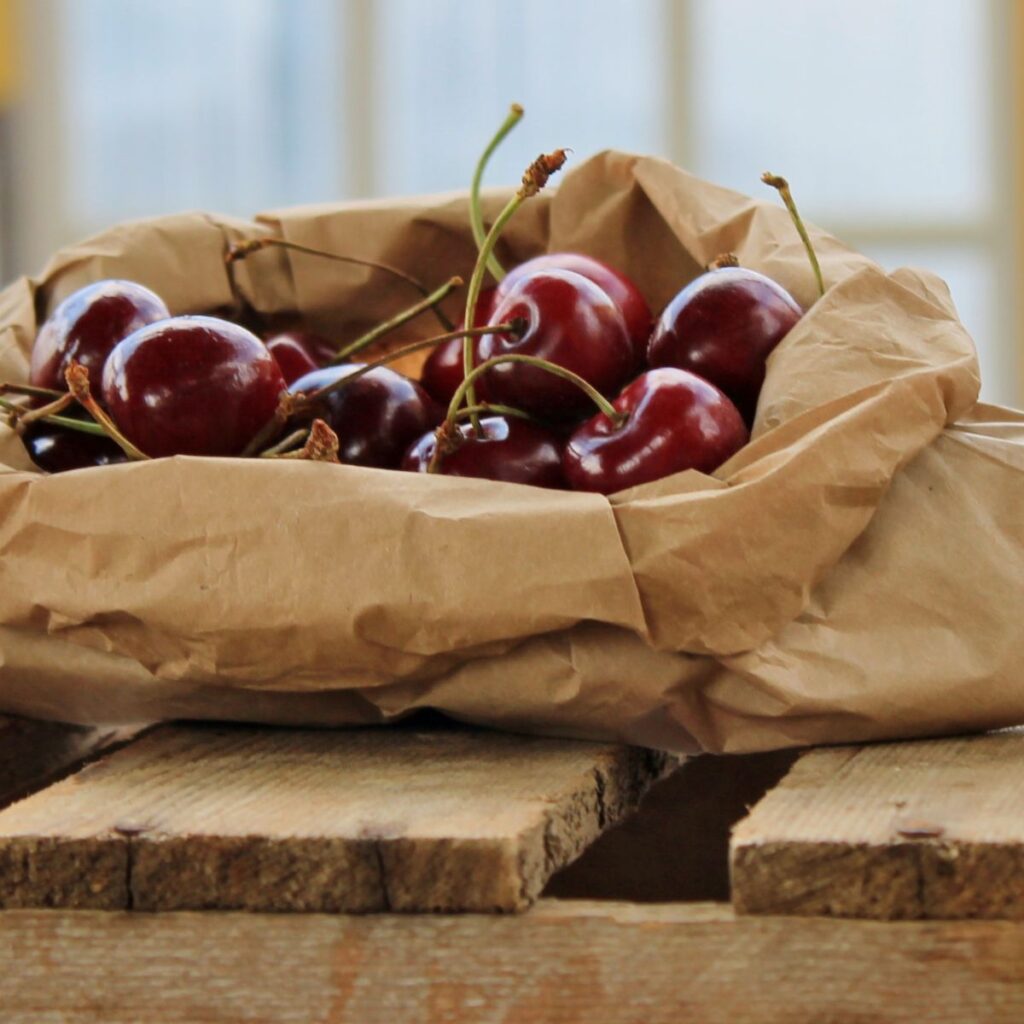
Those little stems can tell you quite a bit about how fresh a bag of cherries may be. Fresh-looking cherries commonly have green, flexible stems, while dry, brown, or brittle stems can indicate that the fruit has been sitting around longer.
The stem isn’t the only factor you should consider, but it’s an easy detail to check while comparing several bags. If one bag has plump fruit with healthier-looking stems and another is filled with shriveled stems and dull cherries, the choice becomes considerably easier.
There’s Moisture Inside the Bag
A little condensation might not immediately seem concerning, but excessively wet cherries aren’t something you want sitting around for long. Moisture can encourage cherries to deteriorate faster, particularly when damaged fruit is already hiding somewhere in the bag.
Look for cherries that appear clean and dry rather than fruit sitting in visible moisture or sticky juice. Once you get them home, it’s also generally better to keep cherries refrigerated and wait to wash them until you’re ready to eat them.
Related: Trader Joe’s Bagging Policy Explained: Should Customers Bag Their Own Groceries?
You’re Buying the Wrong Variety for What You’re Making
Not every cherry at the grocery store is meant to deliver exactly the same flavor. Sweet varieties such as Bing and Rainier are popular for eating fresh, while tart or sour cherries are commonly used for pies, preserves, sauces, and other recipes where their sharper flavor works especially well.
Check the variety before tossing a bag into your cart, particularly if you’re buying cherries for a specific recipe. The wrong cherry isn’t necessarily a bad cherry, but it can certainly produce disappointing results when its flavor doesn’t match what you’re making.
You Haven’t Checked the Bottom of the Bag
The cherries you can see on top aren’t necessarily representative of what’s underneath. Bruised, split, leaking, or moldy fruit can easily hide at the bottom of a bag or clamshell while the cherries facing outward look perfectly fine.
Turn the package over and inspect it from several angles before buying. Visible juice, smashed fruit, mold, or several badly damaged cherries are good reasons to put that particular bag back and choose another.
The Skin Looks Wrinkled Instead of Plump
Good cherries should generally have smooth, taut-looking skin and a plump appearance. Wrinkling or shriveling can be a sign that the fruit has started losing moisture and isn’t as fresh as it once was.
Pay particular attention to the area around the stem, where signs of dehydration can be easier to spot. One imperfect cherry isn’t necessarily a reason to reject the entire package, but a bag filled with wrinkled fruit probably isn’t your best option.