I’ve learned that finding good stuff at a thrift store isn’t always about luck. After enough trips, I’ve picked up a few habits that help me find better pieces, avoid buying things I’ll regret later, and leave the store with items I’m actually happy to have.
Thrift stores can be unpredictable, which is part of the fun. You might find nothing on one visit and walk out with several great pieces the next time. These are the eight things I do every time I go.
I Visit Often
One of the easiest ways to find better thrift store items is to go regularly. Inventory changes all the time, so a store that feels picked over one day can look completely different a few days later.
I don’t expect to find something amazing every time I go. I treat each visit as a quick chance to see what’s new, which gives me more opportunities to find something I actually want.
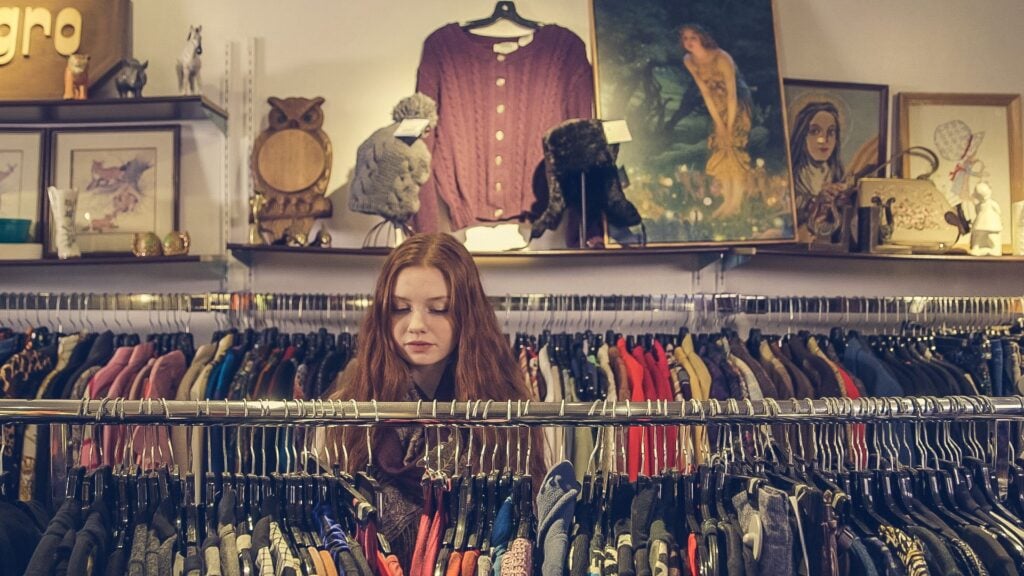
I Check the Top and Bottom of the Racks
I don’t just push hangers from one end of the rack to the other. I also check the areas at the very front, back, top, and bottom because items can get pushed out of sight or overlooked by other shoppers.
I’ve found some really good pieces this way, including clothing with great fabrics and recognizable labels. It only takes an extra minute or two, but those less obvious spots can be worth checking.
Related: Why I Always Look at the Top of Clothing Racks When I Go Thrifting
I Shop on Weekdays Whenever Possible
I usually prefer going during the week because the stores tend to be less crowded. With fewer people shopping, I can take my time looking through racks without feeling rushed.
Weekday trips can also give me a better shot at items that were recently put out. There are no guarantees, but I find it much easier to browse carefully when I’m not fighting through a packed aisle.
I Check Fabric Tags Before Anything Else
Before I get too excited about a piece of clothing, I check the fabric tag. A shirt or sweater can look great on the rack, but the material tells me a lot about how it may feel and how it will wear.
I usually look for materials such as cotton, linen, wool, silk, and leather. That doesn’t mean I automatically skip synthetic fabrics, but checking the label helps me decide whether something is worth trying on or taking home.
Related: 7 Thrift Store Items That Can Be Worth Far More Than Their Price Tags
I Learn the Store’s Discount Schedule
Before I spend much money at a thrift store, I find out how its discounts work. Some stores use colored tags to mark daily sales, while others offer senior discounts, special shopping days, or regular markdowns.
Knowing the schedule can help me decide when to shop for certain things. If I know a particular category will be marked down soon, I can wait instead of paying full thrift store price.
I Look Through Every Department
I don’t always stick to the section I came in for. A pair of shoes might be sitting in the wrong place, a nice bag could have ended up with its accessories, and home décor could turn up in places I wouldn’t expect.
Walking through several departments also gives me a better chance of finding something I wasn’t specifically looking for. Some of my favorite thrift store purchases have been things I spotted while browsing a completely different section.
I Inspect the Construction
Once something catches my eye, I check how it was made. For clothing, that means looking at seams, stitching, buttons, zippers, hems, and the overall construction of the piece.
For bags, shoes, furniture, and other items, I check the hardware, joints, handles, and areas that wear out first. A low price isn’t much of a bargain if something is already falling apart.
I Check Carefully for Damage
Before I buy anything, I give it one last inspection. I look for stains, holes, missing buttons, broken zippers, strange odors, scratches, and other damage that might not be obvious at first glance.
Good lighting helps, especially with clothing and home goods. I’ve learned that taking an extra minute to inspect something at the store is much better than getting home and discovering a problem I didn’t notice.