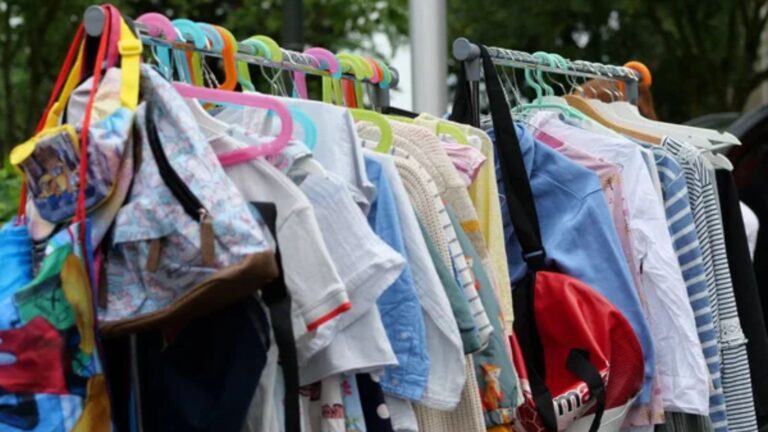
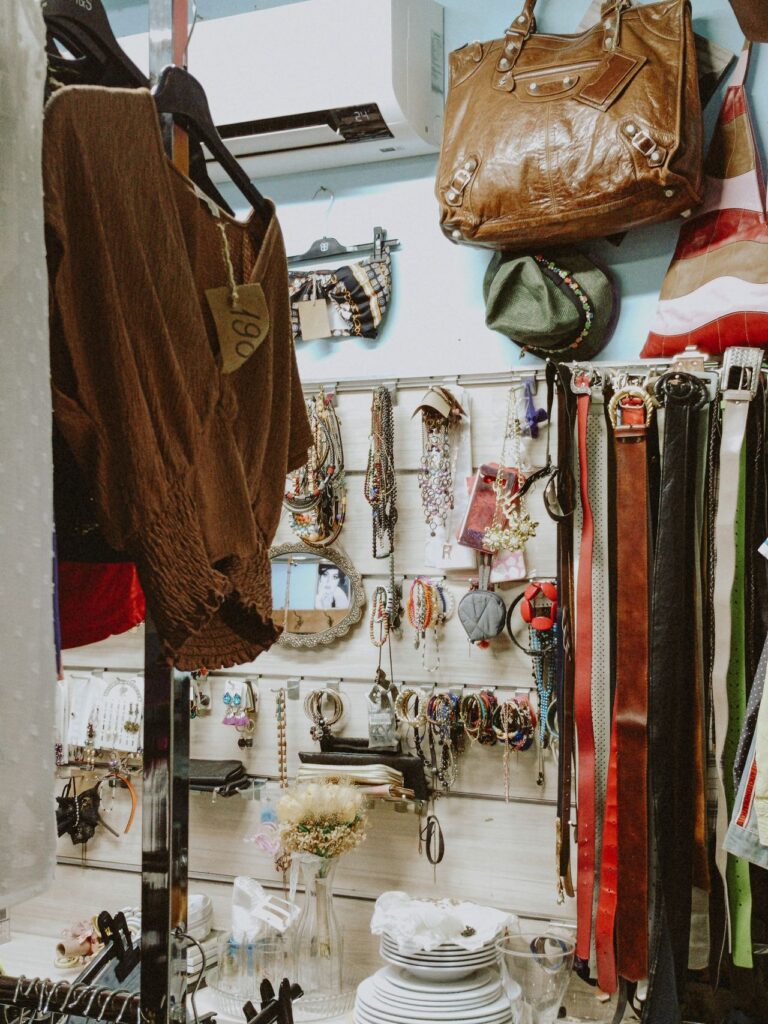
Most people don’t think of themselves as hoarders. We keep things because we think we might need them later, because they remind us of something, or because throwing them away feels wasteful.
The problem is that those little “just in case” piles can grow without us noticing. A drawer becomes two drawers. A few boxes turn into an entire closet. Before long, things you rarely use are taking up space that could be used for something you actually need.
If your home feels a little more crowded than it should, start by looking at some of these common clutter culprits.
Unused Kitchen Gadgets
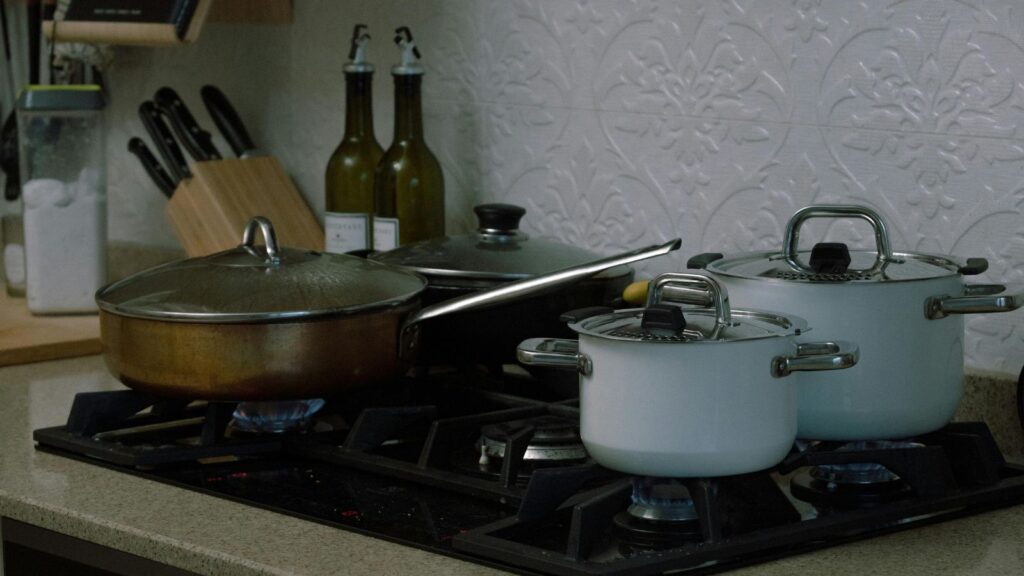
Most kitchens have at least one gadget that sounded like a great idea when it was purchased. Maybe it was an avocado slicer, quesadilla maker, electric sandwich press, or another specialty tool meant to handle one very specific task.
If you can’t remember the last time you used a particular gadget, it may be taking up space for no good reason. Keep the tools you reach for and consider donating the ones that have been sitting untouched for years.
Related: How to Declutter Your Kitchen: 20 Items You Should Toss
Plastic Bags
Plastic grocery bags seem to multiply overnight. You might start with a few tucked beneath the kitchen sink, only to find yourself with a giant collection stuffed into a larger bag a few months later.
Keeping a handful can be useful for lining small trash cans, cleaning up after pets, or carrying items. But there’s usually little reason to keep hundreds of them.
Sort through your stash and set aside the bags you’re actually likely to use. Recycle the rest through a suitable plastic-film recycling program if one is available in your area.
Old Magazines and Newspapers
It’s easy to save a magazine because there’s a recipe you want to try, an article you enjoyed, or a project you plan to make someday. Then another magazine arrives, and another one, until you have a stack that you haven’t touched in years.
Old newspapers can pile up just as quickly. Unless they have genuine sentimental or historical value, most are unlikely to be read again.
Go through your stacks and keep the few issues or articles that really matter to you. Recycle the rest and reclaim the shelf or storage bin they’ve been occupying.
Related: 9 Simple Crafts You Can Make With Yesterday’s Newspaper
Takeout Condiment Packets
That kitchen drawer filled with ketchup, mustard, soy sauce, taco sauce, duck sauce, and other condiment packets probably started with one takeout order.
Saving a few can be handy, but these packets tend to accumulate much faster than most households use them. Check the dates and get rid of anything expired or damaged.
If your collection is large enough to supply a small restaurant, it’s probably time for a cleanup. Keep a reasonable amount and stop the drawer from becoming a condiment storage bin.
Old Towels and Linens
Old towels, worn sheets, faded pillowcases, and mismatched linens can be surprisingly difficult to get rid of. They might be useful for cleaning, painting, messy projects, or unexpected guests.
The trouble starts when a few useful extras turn into an entire shelf or closet full of them.
Keep the towels and linens that are still in decent condition and that you realistically expect to use. Usable items can sometimes be donated to animal shelters or other organizations that accept linens. Anything heavily damaged or unusable can be handled according to your local textile recycling options.
Expired Medications
Take a look inside your medicine cabinet and you may find old pain relievers, cold medicine, allergy tablets, and prescriptions that have been sitting there for years.
Expired medications can take up space and may no longer work as intended. They also shouldn’t simply be poured down the drain or tossed into the trash without checking the proper disposal guidance.
Sort through your medications from time to time and use an approved medication take-back program or disposal method for anything you no longer need.
Broken Electronics and Mystery Cables
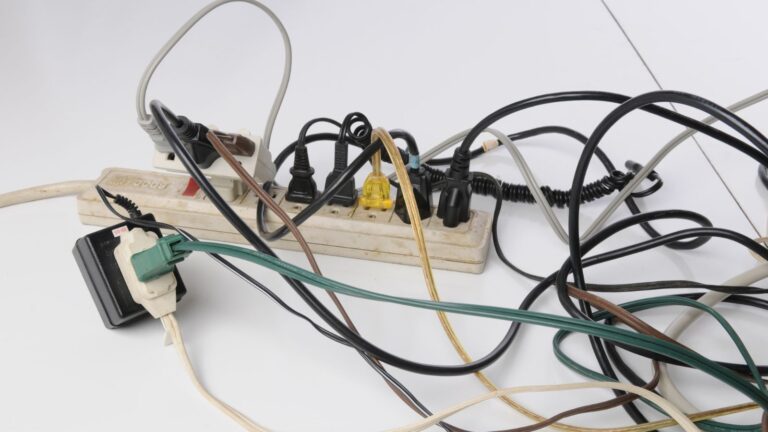
Old phones, chargers, remotes, computer accessories, and mystery cables are classic clutter magnets.
There’s always that one cord you keep because you’re convinced you’ll eventually figure out what it belongs to. Years later, it’s still sitting in the same drawer.
If you no longer own the device a cable belongs to, you probably don’t need to keep it. Sort through your electronics, set aside anything you actually use, and recycle unwanted devices through an appropriate electronics recycling program.
Empty Boxes From Past Purchases
Holding onto a box for a short time can make sense, especially if you might return the item or need the packaging for a move. But keeping the box for years after the purchase usually turns it into another piece of clutter.
Television boxes, appliance packaging, computer boxes, and shipping cartons can take up a surprising amount of room.
Take a look at the boxes stored in your closets, attic, basement, or garage. If you have no realistic reason to keep them, flatten them and recycle them.
Clearing out these items won’t transform your entire home overnight, but it can make a noticeable difference. The goal isn’t to get rid of everything you own. It’s to stop giving valuable storage space to things you rarely use, have forgotten about, or are keeping purely out of habit.