Pawn shops have been around for a very long time, but the way they’re portrayed in movies and TV can make them seem a lot more questionable than they really are. Sure, pawn shops aren’t for everyone, but many are legitimate businesses that follow licensing and reporting rules and serve all kinds of customers.
A pawn shop can be a place to find a used tool, jewelry, musical instrument, game system, or other item for less than you might pay new. It can also provide a short-term loan without the same process you’d go through at a bank.
Here are some common assumptions about pawn shops that don’t always match reality.
Pawn Shops Can’t Be Trusted
It’s easy to picture a pawn shop as a shady place where nobody keeps track of what’s happening. Legitimate pawn shops operate under state and local regulations and have rules about documenting transactions.
Requirements vary by location, but shops may need to record information about items and customers and provide transaction records to authorities. If you’re unsure about a particular shop, check its license and local reputation before doing business there.
Related: 18 Things We All Need to Stop Rebuying
Once You Pawn Something, It’s Gone Forever
Pawning an item isn’t the same thing as selling it outright. A pawn loan uses your item as collateral for borrowed money.
You can get the item back by repaying the loan and any applicable fees within the agreed loan period. If you don’t repay the loan on time, the shop can take ownership of the item and sell it to recover the money.
The exact terms vary by state and shop, so read the agreement before handing anything over.
Pawn Shops Only Sell Junk
Walk into a good pawn shop and you may find quite a bit more than old electronics and random household clutter.
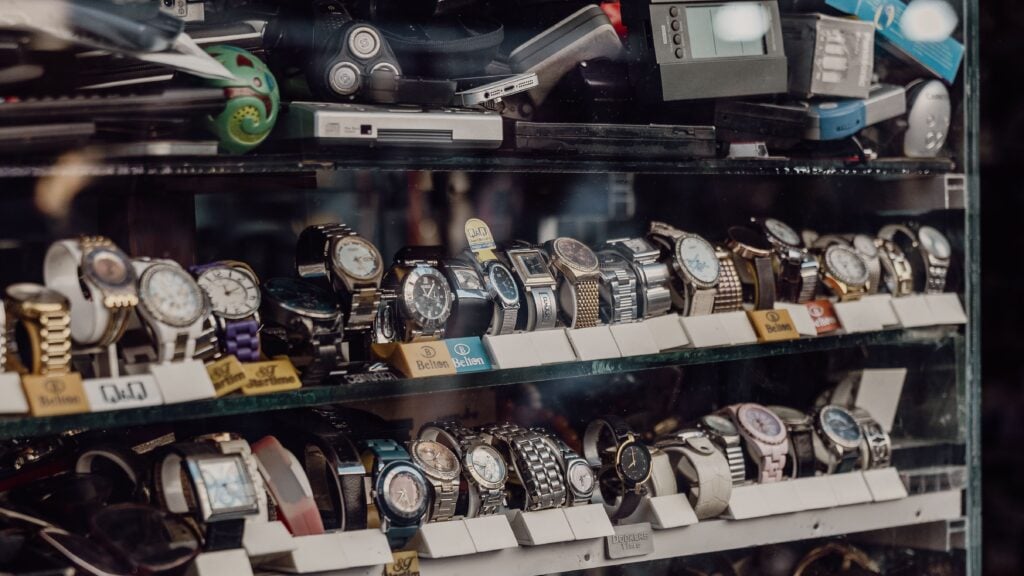
Inventory can include gold and other jewelry, power tools, musical instruments, cameras, game systems, watches, collectibles, and name-brand merchandise. Some shops also carry higher-end items that would cost quite a bit more if purchased new.
Since inventory comes from items people bring in, the selection can change from one visit to the next.
Related: 12 Useful Things Your Blender Can Do Besides Making Smoothies
Pawn Shops Only Buy and Sell Things
Pawn shops do buy and sell merchandise, but that’s just one part of the business.
Many also offer pawn loans. You leave an item with the shop and receive money based on its estimated value and resale potential. If you repay the loan and fees within the agreed terms, you get the item back.
For someone who needs a relatively small amount of cash quickly, this can be a different option from applying for a traditional loan.
Customer Service Is Usually Terrible
The gruff pawn shop employee is a familiar TV character, but real shops aren’t all like that.
Many pawn shops depend on local customers who come back to buy, sell, or pawn items. Good customer service can make a big difference for a business that relies on repeat shoppers and word-of-mouth recommendations.
That doesn’t mean every pawn shop has great service. Just like any other type of store, you’ll find some that are friendlier and more helpful than others.
Related: 20 Household Items Pawn Shops Will Pay Big Bucks For
Pawn Shops Are Only for People Who Are Broke
A pawn shop can be useful during a financial emergency, but that’s far from the only reason people shop there.
Some customers are looking for lower-priced tools or electronics. Others collect watches, jewelry, coins, musical instruments, or vintage items. Small business owners may also look for equipment at a lower price than buying new.
And some people use pawn loans simply because they prefer a quick collateral-based loan over other borrowing options.
Pawn Shops Only Pay Pennies on the Dollar
Nobody should expect a pawn shop to offer full retail value for an item. The shop has to account for the cost of buying it, storing it, selling it, and the possibility that it may sit on the shelf for a while.
The offer can depend on the item’s condition, brand, demand, resale value, and what similar items are selling for locally.
If you think an offer is too low, you don’t have to accept it. You can ask questions, compare offers from other shops, or decide to keep the item.
Related: What Pawn Shops Do With Items That Never Get Redeemed
Most Pawn Shop Merchandise Is Stolen
This is one of the biggest stereotypes about the pawn industry. Legitimate pawn shops have procedures for recording transactions and identifying customers, and many are required to share transaction information with law enforcement.
Rules vary by state and local jurisdiction, but these requirements make it much harder for legitimate businesses to simply accept merchandise with no questions asked.
That doesn’t mean stolen property can never enter the resale market. It means legitimate pawn shops have legal requirements and processes for dealing with suspicious transactions.
Only Low-Income People Use Pawn Shops
Pawn shops attract people for all sorts of reasons. Someone might walk in looking for a used guitar, another person might be hunting for a good deal on a power tool, and someone else might need a short-term loan.
A collector may be searching for a rare watch or coin. A bargain hunter may want a name-brand item for less than retail. Another customer may simply prefer using an item as collateral rather than going through a traditional loan application.
So the next time you pass a pawn shop, don’t assume you know who shops there or why they’re there.