Most of us don’t think of ourselves as hoarders. We simply hold onto things because they might be useful someday, remind us of a certain time in our lives, or seem too wasteful to throw away. But over the years, those small collections of “just in case” items can quietly take over closets, cabinets, drawers, and storage shelves.
The truth is that many of the things we save never get used again. Instead, they occupy valuable space that could be put to better use. If your home feels more crowded than it should, one of these common clutter culprits may be to blame.
Unused Kitchen Gadgets
Most kitchens contain at least one gadget that seemed like a brilliant purchase at the time. Maybe it was an avocado slicer, a quesadilla maker, an electric sandwich press, or a specialty tool designed to perform a single task. If a gadget hasn’t been used in years, it may be time to donate it.
Related: How to Declutter Your Kitchen: 20 Items You Should Toss
Plastic Bags
Plastic bags have a way of multiplying faster than rabbits. What starts as a handful of grocery bags can quickly become an overflowing collection stuffed under the sink, crammed into a pantry shelf, or stored inside another plastic bag.
While it’s smart to keep a few for pet waste, small trash cans, or other household tasks, most families don’t need dozens upon dozens of them. Recycling the extras can instantly free up valuable storage space.
Old Magazines and Newspapers
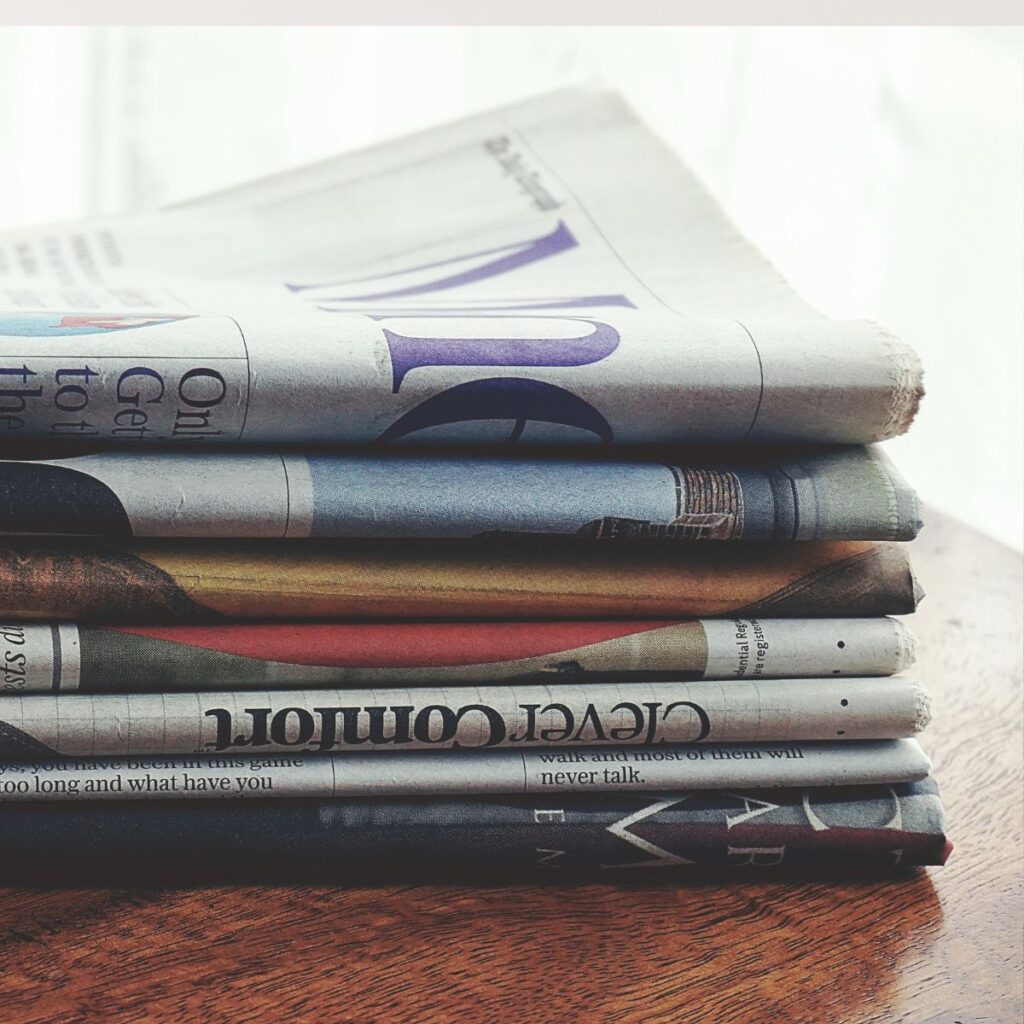
Many people save magazines because they plan to revisit a recipe, craft idea, or article someday. Unfortunately, “someday” often never arrives.
Stacks of old magazines and newspapers can accumulate for years, collecting dust while taking up shelves, end tables, and storage bins.
Related: 9 Simple Crafts You Can Make With Yesterday’s Newspaper
Takeout Condiment Packets
Open a kitchen drawer or refrigerator door, and you may discover a collection of ketchup, soy sauce, mustard, taco sauce, and duck sauce packets from long-forgotten takeout meals.
Saving a few extras can be convenient, but these tiny packets often accumulate much faster than they’re used. If you have enough condiments to supply a small restaurant, it’s probably time to sort through the stash and discard any that are expired or unlikely to be used.
Old Towels and Linens
Many households keep stacks of worn-out towels, faded sheets, and mismatched pillowcases because they seem too useful to throw away. After all, they might come in handy for cleaning projects, houseguests, or emergencies.
But when one spare set turns into an entire closet shelf of old linens, the collection becomes clutter. Consider keeping only the best extras and donating usable items to animal shelters or charitable organizations that accept them.
Expired Medications
Medicine cabinets are often filled with pain relievers, cold remedies, allergy medications, and old prescriptions that have been sitting untouched for years.
Not only do expired medications take up space, but they may also lose effectiveness over time. Regularly checking expiration dates and properly disposing of outdated medications can help keep your home safer and more organized.
Broken Electronics and Mystery Cables
Almost everyone has a drawer filled with charging cords, outdated phones, old remotes, and electronic accessories that no longer serve a purpose.
If you no longer own the device a cord belongs to, there’s a good chance you’ll never need it again. Recycling old electronics and sorting through unused cables can eliminate a surprising amount of clutter.
Empty Boxes From Past Purchases
Whether it’s the box from a television, smartphone, kitchen appliance, or computer, many people hold onto packaging long after the return period has passed.
While keeping a box temporarily can make sense, years-old packaging often becomes little more than oversized storage clutter. Unless you actively need it for moving, warranties, or resale, those empty boxes are simply taking up valuable room in closets, garages, and attics.