A home can be perfectly clean and still look messy. Sometimes the problem isn’t clutter itself but a collection of small habits and overlooked details that make a space feel more crowded and disorganized than it really is.
After living in the same space for a while, it’s easy to stop noticing things like piles on countertops, mismatched storage, or items that never quite make it back to their proper place. Over time, those little things can affect the overall look and feel of a room.
If your home never seems as tidy as you’d like, the cause may be simpler than you think. Here are 12 common things that can make your home look messier than it actually is.
Overcrowding the Room With Furniture
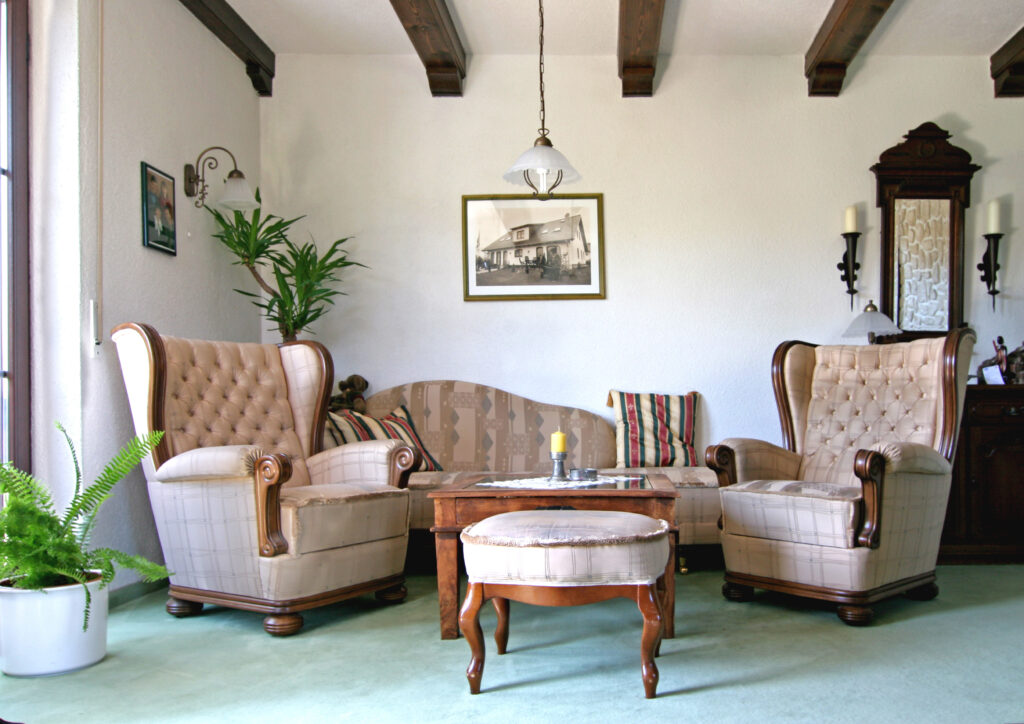
Too much furniture makes a room feel tight and busy. Even beautiful pieces can create visual clutter when there’s no breathing room between them. Leaving open space around key pieces helps a room feel lighter and more intentional.
Relying on Harsh or Limited Lighting
Poor lighting makes rooms look dull and flat. A single overhead light casts shadows and dark corners, making everything feel heavy. Layered lighting table lamps, floor lamps, and soft accent lights instantly warm up a space and make it feel more put-together.
Picking Paint Before Choosing Decor
Choosing paint first can lock you into a color that doesn’t fully work with your furniture and textiles. It’s usually easier to select paint after you’ve chosen major pieces like rugs and sofas. That way, the whole room feels coordinated instead of mismatched.
Hanging Artwork Too High
When art is placed too high, the room feels disconnected and slightly awkward. Hanging pieces closer to eye level creates balance and makes the space feel more grounded.
How to Create a Stunning Gallery Wall on Stairs
Ignoring Scale and Proportion
A tiny rug in a large living room or an oversized couch in a small space can throw everything off. When furniture and decor don’t match the room’s size, the whole space can feel cluttered or unfinished.
Using Too Many Competing Patterns
Patterns add personality, but too many bold prints fighting for attention can make a room feel chaotic. Mixing solids with a few intentional patterns helps keep things balanced.
Not Creating a Clear Focal Point
Every room benefits from something that draws the eye, a statement light fixture, a piece of art, or a fireplace. Without a focal point, the room can feel scattered and lacking direction.
Letting Surfaces Collect Too Much
Coffee tables, counters, nightstands, and dressers are common clutter zones. When every surface is filled, even small items create visual noise. Clearing and simplifying display areas instantly makes a room look cleaner.
Matching Everything Perfectly
When every piece is from the same set or matches exactly, the space can feel flat and sterile. Mixing textures and finishes adds depth, making a room feel styled rather than staged.
Skipping Window Treatments
Bare windows can make a space look unfinished, while overly heavy curtains can feel dated. The right window treatment softens the room and frames the space properly.
Pushing All the Furniture Against the Walls
It seems like this would make a room feel bigger, but it often has the opposite effect. Pulling seating slightly inward creates conversation areas and makes the layout feel more intentional.
Ombre Walls: A Stylish Design Trend for 2025
Overlooking the Entryway
Your entry sets the tone for your entire home. Shoes piled up, no place for bags, or a space can feel messy or forgotten. A simple console table, basket, or mirror makes it feel welcoming and organized.