Some of Martha Stewart’s cooking tips can sound a little excessive the first time you hear them. Roasting citrus before using it, adding unexpected ingredients to baked goods, or taking extra steps that most home cooks would normally skip can make you wonder if the effort is really worth it.
Then you try one of those tricks and realize there’s usually a reason behind it.
Many of her most talked-about kitchen tips come from years of cooking, testing recipes, and paying attention to small details that affect flavor and texture. They aren’t complicated or expensive. Most take only a few extra minutes but can make a noticeable difference in the final dish.
Before you dismiss these ideas as too much work, take a look at these Martha Stewart cooking tips that sound a little over the top but somehow make everything taste better.
Freeze Fresh Herbs in Olive Oil
Buying fresh herbs feels aspirational. Watching them wilt in the crisper drawer three days later does not.
The fix? Chop them, tuck them into an ice cube tray, and cover with olive oil before freezing. The oil protects the herbs from freezer burn and locks in flavor. When you’re cooking, you can drop a cube straight into a hot pan and instantly build flavor into soups, sauces, eggs, or sautéed vegetables.
It sounds fussy. It’s actually practical, and it cuts down on waste.
Marinate Steak in Coffee
Coffee and steak together can sound like a trendy restaurant gimmick. But there’s logic behind it.
Brewed coffee or even finely ground coffee in a marinade adds depth and a subtle roasted note that complements beef. The mild acidity also helps tenderize the meat slightly. You’re not making espresso-flavored steak you’re building background richness.
Done right, no one will guess the secret ingredient. They’ll just think it tastes better.
Coffee Filters Aren’t Just for Coffee — Here’s What We’ve Been Using Them For
Butter and Salt Bread Before Toasting
Most of us butter toast after it pops up. Martha suggests doing it before.
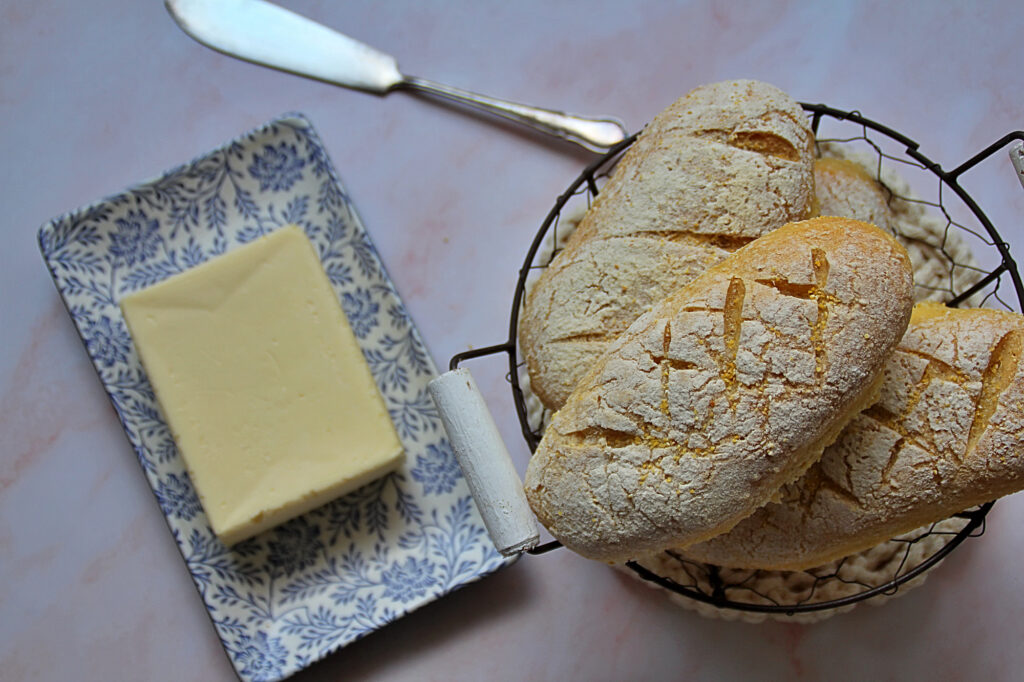
Spread a thin layer of butter and sprinkle salt on the bread before it hits the heat. As it toasts, the butter seeps into every crevice, helping the surface caramelize. The result isn’t soggy, it’s deeply golden, crisp, and more flavorful throughout.
It’s a small shift that makes even basic toast feel intentional.
Save the Water From Boiled Potatoes
Pouring potato water down the drain seems harmless, but it’s a missed opportunity.
That cloudy liquid is packed with starch. Add a splash to soups or sauces, and you’ll get natural thickening and subtle body without cream or flour. It won’t dramatically change the flavor, but it quietly improves texture.
It’s the kind of detail you’d never think about until you do.
Add Vodka to Pie Dough
Yes, vodka.
Replacing a bit of water in pie dough with vodka sounds strange, but there’s a reason it works. Alcohol limits gluten development, which helps prevent a tough crust. It evaporates in the oven, so you don’t taste it; you just get a flakier result.
It’s not flashy. It’s just smart.
Use Frozen Grapes Instead of Ice Cubes
It’s one of those ideas that seems more decorative than practical until you try it.
Frozen grapes chill wine or sparkling water without watering it down. They work especially well with white wine and summer drinks. When your glass is empty, you get a cold, slightly sweet snack at the bottom.
Simple, low-effort, and genuinely useful.
Roast Lemons Before Using Them
Raw lemon juice can sometimes be sharp or overly bright. Roasting lemon halves until caramelized softens that edge.
The heat draws out a little sweetness and rounds out the acidity. Squeezed over chicken, vegetables, or pasta, roasted lemon adds warmth instead of sharpness.
It takes a few extra minutes and makes a noticeable difference.
Massage Your Kale
It sounds dramatic, but it’s mostly common sense.
Kale is fibrous. Massaging it with a bit of olive oil and salt breaks down the leaves’ tough structure. Within a minute or two, it darkens, softens, and becomes more pleasant to eat raw.
What seems like a chef’s trick is really just a practical way to make salads better.
Add a Pinch of Salt to Coffee
This one makes people pause.
A tiny pinch of salt in coffee doesn’t make it salty. It reduces perceived bitterness and smooths out harsher notes. If you’re dealing with strong or slightly over-extracted coffee, it can mellow things noticeably.
It’s subtle but surprisingly effective.
Chill Cookie Dough Overnight
Waiting 24 hours to bake cookies feels excessive. But resting dough in the fridge allows the flour to fully hydrate and the flavors to develop.
The result? Cookies that spread better, brown more evenly, and taste more complex. The texture often improves, with chewier centers and crispier edges.
It requires patience, not effort.
Other Posts You Might Like
- 14 unexpected Martha Stewart home hacks we’re actually obsessed with
- Bold Gardening Moves Martha Stewart Made That Most People Wouldn’t Attempt
- 13 Foods Frugal People Leave Off Their Grocery Lists
- I Cut My Grocery Bill in Half Using These 16 Simple Shopping Tips
- Items You Should Be Extra Careful About Buying Used