
There wasn’t a dramatic moment at the checkout or a single receipt that changed everything. It was more subtle than that. Groceries just started costing more, week after week, and eventually I had to admit something had to give.
Inflation didn’t just show up in headlines; it followed me into the grocery store. Suddenly, the same cart cost more than it used to, even when it didn’t feel like I was buying anything extra. So I stopped trying to outsmart the prices and started paying closer attention to my habits instead.
These small changes didn’t feel restrictive. They felt intentional. And over time, they made a real difference. Here’s what actually worked.
I Started Using a Smaller Basket
When I switched to a smaller basket, I automatically thought twice before tossing something in. With less space to fill, I brought home only what I came for and nothing I’d forget about by the end of the week.
I Chose Store Brands Without Overthinking It
Store brands usually cost less. Once I realized I didn’t miss the packaging or the name, the switch felt easy.
I Made a Real Grocery List
Writing things down, whether on paper or my phone, kept me grounded. It stopped the wandering, the second-guessing, and the “maybe I need this too” purchases that add up fast.
Related: 12 Best Places to Grocery Shop on a Budget
I Checked What I Already Had First
Opening the fridge and pantry before shopping changed everything.
Half the time, I already had what I needed or something close enough. Taking inventory saved money and cut down on food waste; I didn’t even realize I was creating.
I Set a Loose Budget Before Walking In
Not a strict number. Just a mental range. Knowing what I wanted to spend made it easier to make decisions in the moment. It gave me something to check back in with as I shopped instead of waiting for the receipt to surprise me.
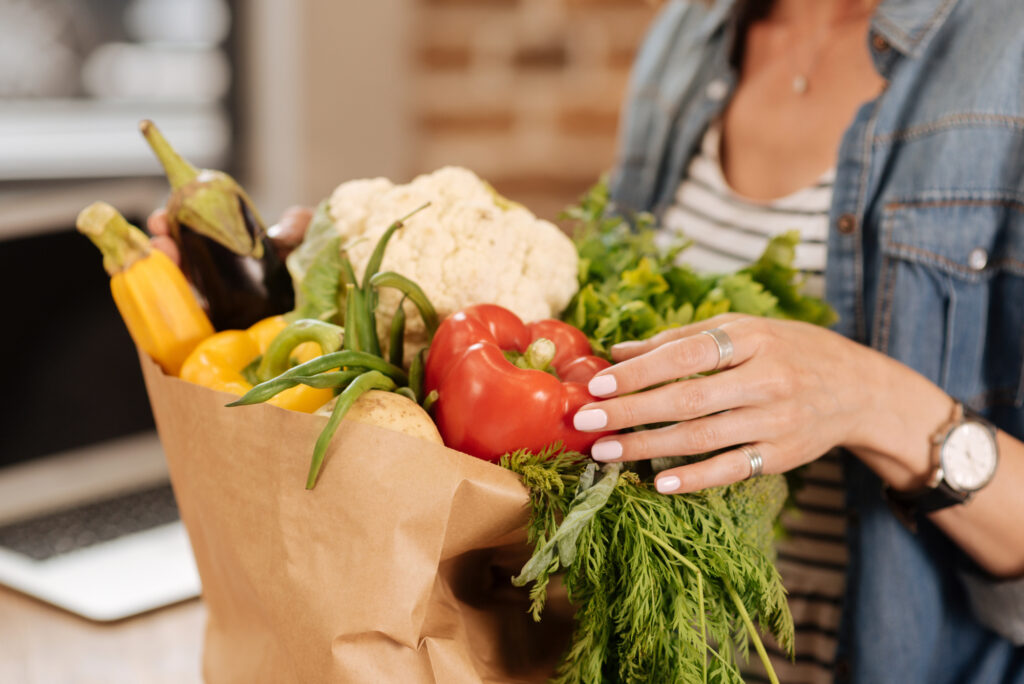
I Bought Whole Produce Instead of Prepped
Convenience costs more. Whole fruits and vegetables last longer and stretch further. With a little prep at home, they end up saving more than they take.
I Paid Attention to What Was in Season
Seasonal produce is usually cheaper for a reason. It’s abundant. It’s fresher. And it tastes better. Once I started shopping around the season rather than the recipe, my bills naturally dropped.
I Bought Fewer “Backup” Items
Just-in-case groceries add up fast. I stopped buying duplicates of things I already had enough of. If I didn’t need it this week, I left it for another trip.
I Stopped Shopping Hungry
Shopping hungry makes everything seem like a good idea. Eating first made it easier to stick to the plan and leave the snacks where they belonged.
I Planned Meals Loosely, Not Perfectly
Meal planning doesn’t have to be rigid. I planned dinners with flexible ingredients that could be mixed and matched. That way, nothing went unused if plans changed.
I Looked at Unit Prices Instead of Shelf Prices
Unit pricing showed me what I was actually paying per ounce or pound. Sometimes buying larger made sense. Sometimes it didn’t. Knowing the difference mattered.
I Bought in Bulk When It Made Sense
Bulk only works if you’ll actually use it. Staples like rice, coffee, and cereal made sense to buy in larger quantities, especially when they were on sale. Everything else I left alone.
I Shopped Alone When I Could
More people mean more opinions. Shopping solo kept things quieter and simpler. I stuck to the list and avoided the little extras that sneak in during group decisions.
I Froze What I Wasn’t Ready to Use
Extra produce, bread, and meat went to waste. Freezing what I couldn’t use right away stretched meals and made future weeks easier.
None of these changes felt drastic. They just felt thoughtful. And somehow, without making grocery shopping miserable, my bill was finally manageable again.
Sometimes saving money isn’t about cutting back; it’s about paying closer attention to what already works.
I Shopped the Perimeter First
Most of the basics live along the outside of the store. Produce, dairy, meat, eggs, starting there kept me focused on real meals instead of wandering into aisles that exist mostly to tempt you. By the time I reached the center, I was more intentional about what I added.
I Let Go of One-Off Ingredients
Buying a spice or specialty item for a single recipe usually wasn’t worth it. If I couldn’t see myself using it again soon, I skipped the recipe altogether.