Airports, airplanes, and crowded terminals put you in close contact with hundreds, sometimes thousands, of people in a single day. While there’s no guaranteed way to avoid every germ, seasoned travelers tend to follow a few simple habits that help lower their chances of bringing home an unwanted souvenir in the form of a cold, flu, or other travel bug.
The good news is that most of these strategies are easy and inexpensive, and they can make a noticeable difference on your next trip.
Wipe Down High-Touch Surfaces
The tray table, armrests, seatbelt buckle, touchscreen, and air vent are touched by countless passengers throughout the day. A quick wipe-down with disinfecting wipes takes less than a minute and can help reduce contact with germs left behind by previous travelers.
Related: The Filthiest Places in Your Home and the Best Way to Clean Them
Avoid Putting Food Directly on the Tray Table
Even if a tray table looks clean, appearances can be deceiving. Frequent travelers typically keep food in its wrapper, on a napkin, or in its container rather than placing it directly on the surface.
Stay Hydrated
Airplane cabins are surprisingly dry, which can leave your nose, throat, and airways feeling parched after just a few hours in the air. Frequent flyers make a point of drinking water throughout the flight because staying hydrated helps their bodies maintain the natural barriers that trap and remove germs before they can cause illness.
Related: Stock Up on These Foods Once, and They Could Last 10 Years or Longer
Skip the Coffee and Tea
Many experienced travelers avoid coffee and tea made on board because the beverages are prepared using water from the aircraft’s water system. Instead, they stick with bottled water or drinks purchased after security, which gives them more confidence about what they’re consuming during the flight.
Related: Things You Can Do With Coffee Filters Besides Brewing Coffee
Keep Your Hands Away From Your Face
Most people touch their face dozens of times each day without realizing it. Since germs often enter the body through the eyes, nose, and mouth, reducing face-touching is one of the simplest ways to lower your risk of getting sick while traveling.
Prioritize Sleep Before Your Trip
Travel can already be stressful, and starting a trip exhausted only makes things harder on your immune system. Frequent flyers know that a good night’s sleep before departure helps their body better handle the physical stress of long travel days and crowded environments.
Consider Wearing a Mask in Crowded Areas
Many seasoned travelers keep a mask handy for the busiest parts of the journey, especially during boarding, deplaning, airport shuttles, or packed gate areas. These are often the times when you’re standing shoulder to shoulder with other travelers and have the least personal space.
Pack Healthier Snacks
Airport food courts are convenient, but they don’t always offer the healthiest options. Frequent flyers often bring their own snacks, such as nuts, fruit, protein bars, or trail mix, to avoid relying on sugary foods that can leave them feeling sluggish during travel.
Choose a Window Seat When Possible
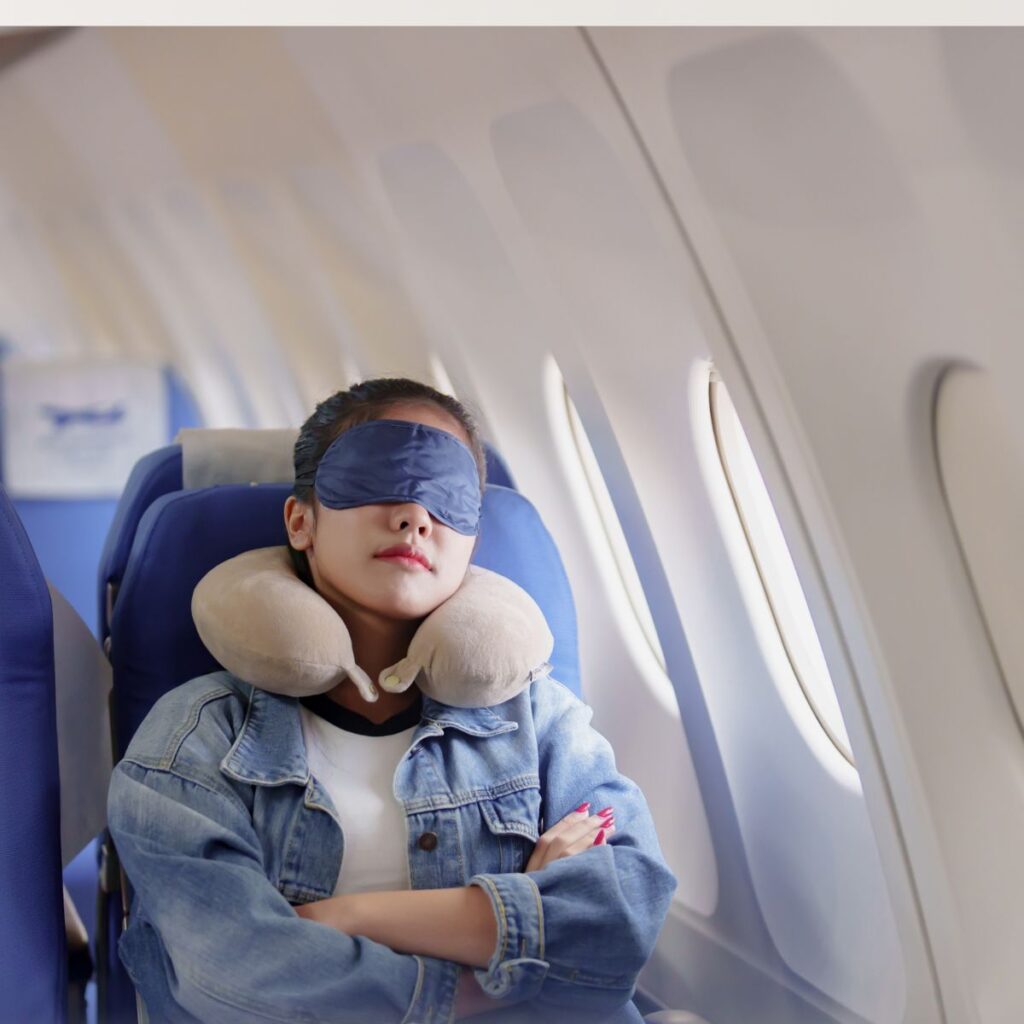
Aisle seats may offer easier access to the restroom, but they also expose you to more passing passengers throughout the flight. Frequent travelers often prefer window seats because they reduce contact with people walking the aisle and make it easier to avoid brushing against seatbacks, armrests, and other high-touch surfaces.
Take It Easy After You Arrive
After hours spent sitting, dealing with time changes, and navigating crowded airports, your body may need a little time to recover. Experienced travelers often focus on rehydrating, eating a balanced meal, and getting adequate rest before jumping into strenuous activities or intense workouts.
Other Topics You Might Like
- Before You Use Water on a Plane, Here’s What Experts Want You to Know
- Rising costs are forcing Californians to pack up and leave—Here’s where they’re going
- 16 Things Flight Attendants Wish You’d Stop Doing on the Plane
- Flight Attendants Say They Know Who the Difficult Passengers Are Within Minutes of Boarding