When I first started planting flowers, I focused mostly on color. But after learning more about pollinators, I began choosing plants that provided nectar and pollen instead of simply looking pretty, and the difference was incredible.
Before long, my garden was buzzing with bees, filled with butterflies, and even hummingbirds started making regular visits. If you’re hoping to create a lively, pollinator-friendly garden, these are the plants that made the biggest difference in mine.
Bee Balm
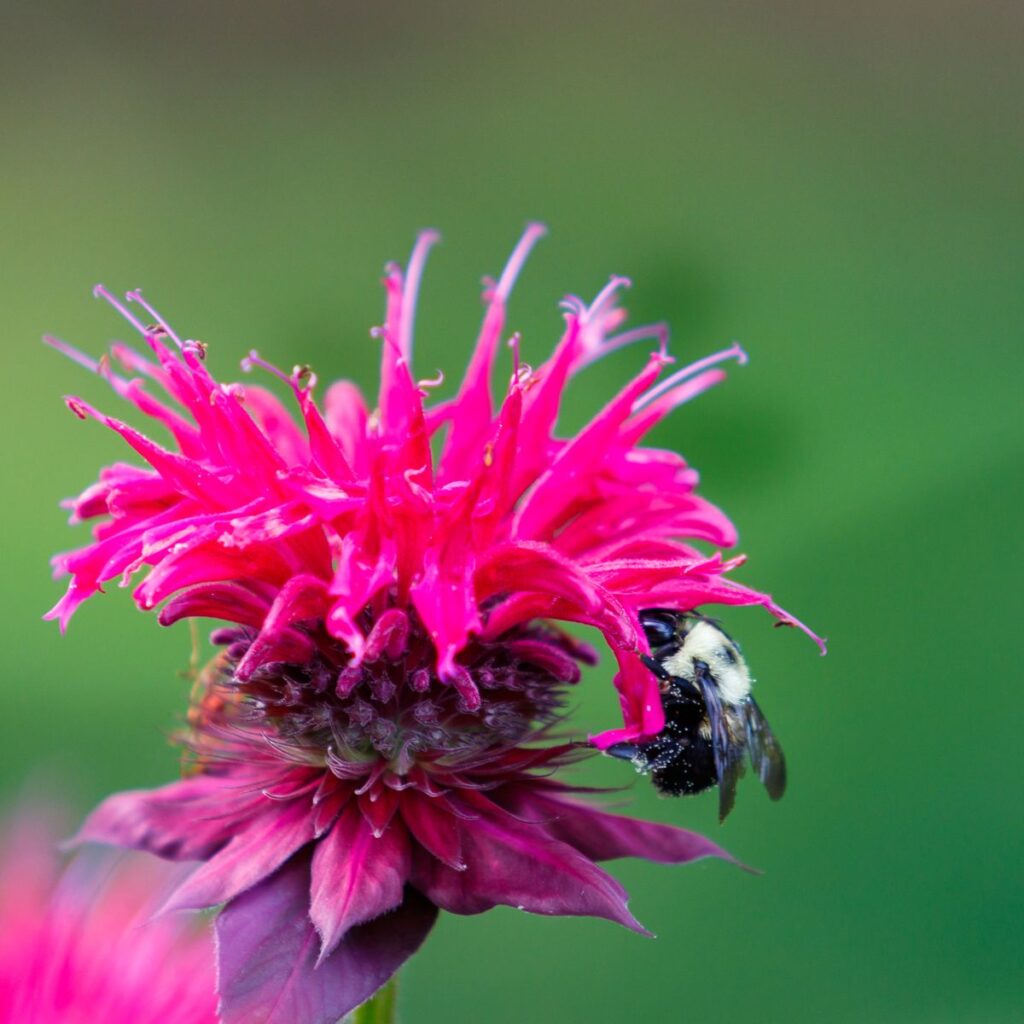
Bee balm quickly became one of the busiest flowers in my garden. Its bright, shaggy blooms attract bees, butterflies, and hummingbirds all summer long, while its minty fragrance makes it just as enjoyable for people.
Purple Coneflower
Purple coneflowers are some of the hardest-working plants I’ve ever grown. They bloom for months, tolerate heat and drought, and provide a constant source of nectar that keeps bees and butterflies coming back day after day.
Butterfly Bush
The name isn’t an exaggeration because butterflies seem unable to resist its long, fragrant flower spikes. It also attracts hummingbirds and plenty of bees, making it one of the most active plants anywhere in my yard.
Black-Eyed Susan
These cheerful yellow flowers are as dependable as they are beautiful. Every summer, they’re covered with native bees and butterflies, and their seed heads continue feeding birds long after the blooms have faded.
Lavender
Lavender adds fragrance and color while attracting an incredible number of pollinators. Bees especially seem to love its purple flower spikes, and once established, it’s one of the easiest low-maintenance perennials to grow.
Garden Phlox
Garden phlox fills flower beds with large clusters of colorful blooms that last for weeks. The sweet fragrance attracts butterflies, bees, and hummingbirds throughout the warmest months of summer.
Blazing Star
The tall purple flower spikes of blazing star create a dramatic display in the garden while serving as a favorite nectar source for butterflies. Bees and hummingbirds also stop by regularly, making it one of the best plants for supporting several types of pollinators.
Anise Hyssop
Anise hyssop may not be as well known, but it’s easily one of the busiest plants in my garden. Its fragrant purple flower spikes bloom for months and seem to attract a steady stream of bees, butterflies, hummingbirds, and other beneficial insects.
Goldenrod
Goldenrod provides a burst of bright yellow color just as many other flowers begin fading for the season. Its late-season blooms offer an important food source for pollinators preparing for fall, especially native bees.
Salvia
Salvia is one of those plants that seems to stay busy from morning until evening. The colorful flower spikes bloom over a long period and constantly attract hummingbirds, butterflies, and dozens of different bee species.
Shasta Daisy
Shasta daisies bring a classic cottage garden look while offering an easy landing spot for butterflies and bees. Their long-lasting white blooms brighten the garden throughout summer and require very little maintenance once established.
Asters
Asters are among the last flowers to bloom each year, making them incredibly valuable for pollinators. When many other plants have finished for the season, asters continue supplying nectar that helps bees, butterflies, and even migrating insects prepare for cooler weather.
Other Topics You Might Like
- 13 Gardening Antiques Collectors Love and Often Pay Up For
- I Stopped Buying Fertilizers After Years of Gardening and Started Using This Instead
- Some of the Best Gardening Tips I Ever Got That Break All the Rules
- 9 Vintage Gardening Tools Hiding in Grandma’s Potting Shed— Some Could Be Worth a Small Fortune