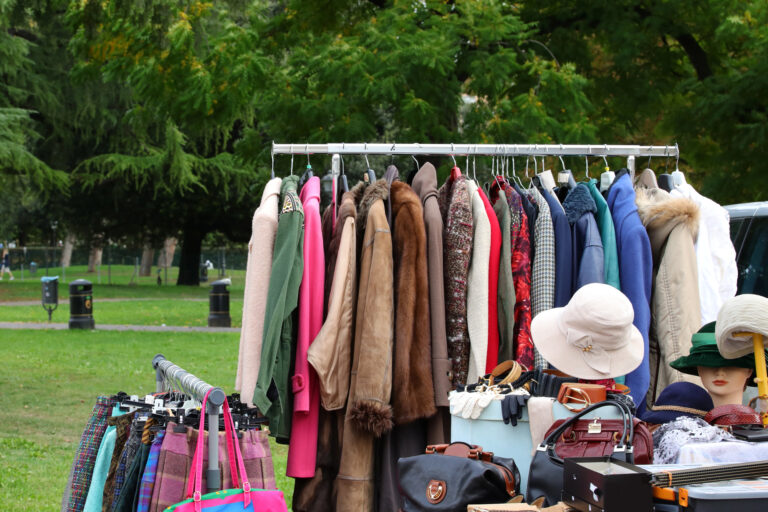
Every year, millions of people donate bags of clothing, furniture, books, household goods, and other unwanted items to Goodwill. Others shop there regularly, attracted by the affordable prices and the thrill of finding a bargain.
But one question comes up again and again: What actually happens to the money Goodwill makes? If your donated sweater sells for $5 or someone buys a used dining table for $100, where does that money go?
While Goodwill operates retail stores that look like traditional businesses, it is a nonprofit organization. The revenue generated from donations isn’t distributed to shareholders or owners. Instead, it’s used to fund programs designed to help people find jobs, gain new skills, and improve their financial stability.
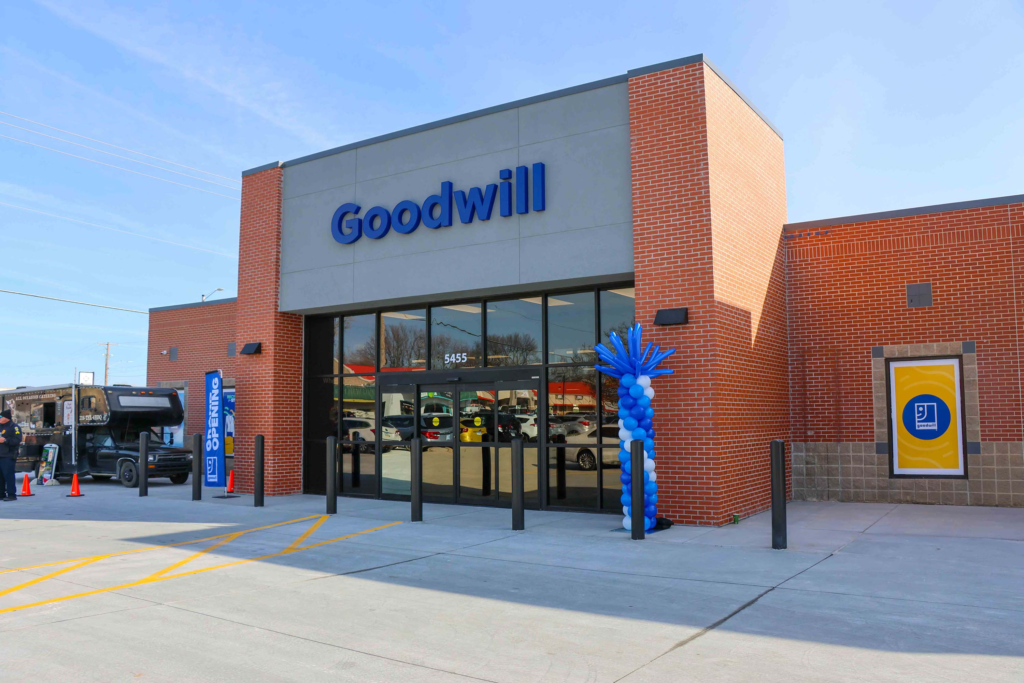
Goodwill Uses Revenue to Fund Job Training and Employment Programs
The largest share of Goodwill’s revenue goes toward workforce development programs. These services are designed to help people overcome barriers to employment and find stable, long-term jobs.
Depending on the community, Goodwill may provide job training in fields such as healthcare, customer service, construction, information technology, office administration, manufacturing, and logistics. Many locations also offer resume assistance, interview coaching, career counseling, job placement services, and digital skills training to help people compete in today’s job market.
These programs often serve veterans, individuals with disabilities, people reentering the workforce after incarceration, long-term unemployed workers, and young adults seeking their first jobs. Rather than simply providing temporary assistance, Goodwill’s goal is to help people build the skills needed to support themselves for years to come.
Related: 12 Low-Stress Jobs Retirees Can Do Without Experience
Donations Also Support Community Programs and Local Services
Goodwill’s mission extends beyond job placement. Many local Goodwill organizations provide additional support services that help people succeed once they find employment.
These services can include transportation assistance, financial literacy classes, access to computers and internet resources, childcare support referrals, and housing-related assistance. In some areas, Goodwill also partners with schools, workforce agencies, and community organizations to offer specialized programs tailored to local needs.
One thing many donors don’t realize is that Goodwill operates through a network of independent regional organizations. That means much of the money generated from donations and sales stays within the local community, supporting programs and services for people who live in the same area where the donations were made.
Related: The Public Library Might Be the Most Underrated Free Resource Around
A Portion of the Money Keeps the Stores Running
Of course, Goodwill’s stores don’t operate for free. Some of the revenue generated from donated goods is used to cover the everyday costs of running retail locations.
That includes paying employees, maintaining buildings, processing donations, operating warehouses, transporting goods between facilities, utilities, rent, and technology systems. Without these operational expenses, Goodwill wouldn’t be able to collect donations, create jobs, or fund the programs that support its mission.
Some critics question why nonprofit organizations spend money on administration and operations. The reality is that sorting, pricing, transporting, and selling millions of donated items each year requires significant infrastructure and staffing.
The Bottom Line
When you donate a bag of clothes or purchase something from a Goodwill store, you’re doing more than recycling unwanted items. The money generated from those sales helps fund job training programs, employment services, community support initiatives, and the operational systems that make those services possible.
While every local Goodwill organization allocates funds somewhat differently, the overall mission remains the same: turning donated goods into opportunities that help people build stronger financial futures.