The Great Depression forced families to become incredibly resourceful. There wasn’t much room for waste, so people learned how to make food, clothing, and household items last as long as possible. Many of those everyday habits were passed down because they simply worked.
Life today is very different, but plenty of those old-fashioned money-saving ideas still hold up. If you’re trying to cut expenses, waste less, or get more from what you already have, these Depression-era habits are still worth borrowing.
Grow Some of Your Own Food
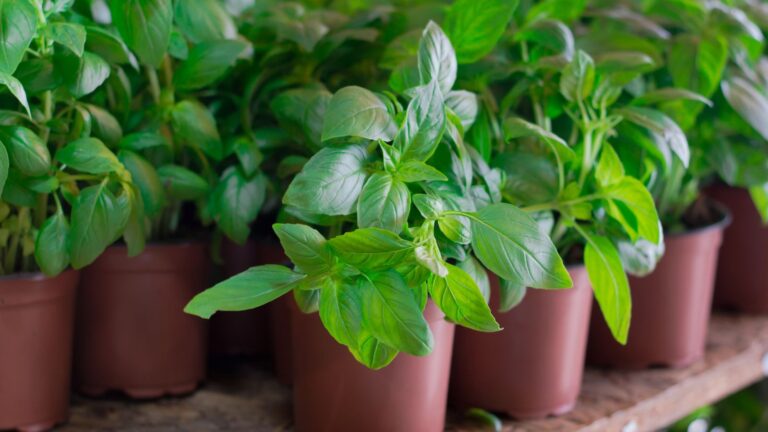
You don’t need a huge backyard to grow food. A few pots of herbs, tomatoes, peppers, or lettuce can lower your grocery bill over time.
Many families during the Depression depended on home gardens to put food on the table. While most people don’t need to grow everything they eat today, producing even a small portion of your own food can save money throughout the growing season.
Raise Chickens or Other Small Livestock
If you have the space and local rules allow it, a small flock of chickens can provide fresh eggs for years.
Some families also raised rabbits or other small animals to help feed the household. It’s a bigger commitment than gardening, but for people who enjoy it, it can reduce grocery costs while giving them more control over where their food comes from.
Preserve Extra Food
Growing or buying food in bulk only saves money if it doesn’t spoil before you use it.
People once relied on canning, drying, root cellars, and other storage methods to make harvests last through the winter. Today, freezing vegetables, dehydrating fruit, or learning basic canning can help you keep food from going to waste and make the most of seasonal bargains.
Related: 13 Gardening Antiques Collectors Love and Often Pay Up For
Turn Leftovers Into New Meals
One meal often became the starting point for the next.
Roasted vegetables might become soup, leftover chicken could go into sandwiches or casseroles, and stale bread rarely ended up in the trash. Looking at leftovers as ingredients instead of repeats can stretch your grocery budget without making meals feel repetitive.
Learn to Forage Safely
Foraging was once a common way to supplement the family pantry with seasonal foods.
If you’re willing to learn from reliable sources, wild berries, nuts, herbs, and edible greens may be available in your area. The key is proper identification, since some plants can be dangerous if mistaken for edible varieties.
Stock Your Pantry With Basic Staples
Instead of filling the pantry with convenience foods, earlier generations relied on ingredients that could be turned into many different meals.
Rice, oats, dried beans, flour, pasta, and other shelf-stable basics are still some of the most affordable foods you can buy. They store well and give you plenty of options whenever you’re planning meals.
Related: 7 Canned Foods Frugal People Always Buy
Cut Back on Meat
Meat was often treated as a side dish instead of the main attraction because it was one of the more expensive grocery items.
Beans, lentils, potatoes, rice, and vegetables filled out many meals instead. Mixing a few meatless dinners into your week can noticeably lower grocery costs without making meals feel lacking.
Trade Goods and Skills
People once depended heavily on neighbors.
Someone with extra eggs might trade for fresh vegetables. Another person could fix a fence in exchange for help with another project. Trading goods or services still works today and can save money while building stronger community connections.
Cook More From Scratch
Prepared foods save time, but they usually cost more.
Making bread, soups, snacks, sauces, or desserts at home often costs much less than buying ready-made versions. You don’t have to make everything yourself. Even replacing a handful of store-bought items with homemade versions can lead to steady savings.
Related: 15 Old-Fashioned Amish Skills That Could Help You Weather Hard Times
Learn Simple Repair Skills
Earlier generations repaired clothing, furniture, and household items because buying replacements wasn’t always possible.
Learning a few basic repair skills today can help extend the life of things you already own. Sewing on a button, fixing a loose cabinet hinge, or patching small holes can prevent minor problems from becoming expensive ones.
Handle Minor First Aid at Home
Knowing how to treat small cuts, scrapes, burns, and other minor injuries can save unnecessary trips for medical care.
Keeping a well-stocked first-aid kit and learning a few basic skills can help you deal with everyday situations confidently while avoiding extra expenses for issues you can safely handle yourself.
Find a New Purpose for Old Items
One of the biggest lessons from the Depression was to throw away as little as possible.
Glass jars became storage containers, worn towels became cleaning rags, and scraps often found another use instead of heading to the trash. Looking at everyday items a little differently can help you spend less while reducing waste at the same time.