Growing up, most of us never questioned the little things our parents or grandparents did. Early bedtimes, family routines, odd traditions, and household rules were simply part of daily life. Some of them even felt unfair or unnecessary at the time.
Years later, many adults are realizing those habits weren’t random at all. They were thoughtful ways of teaching responsibility, confidence, and practical life skills without turning every moment into a lesson.
Looking back, it’s easy to see why so many of those “normal” things were actually pretty smart.
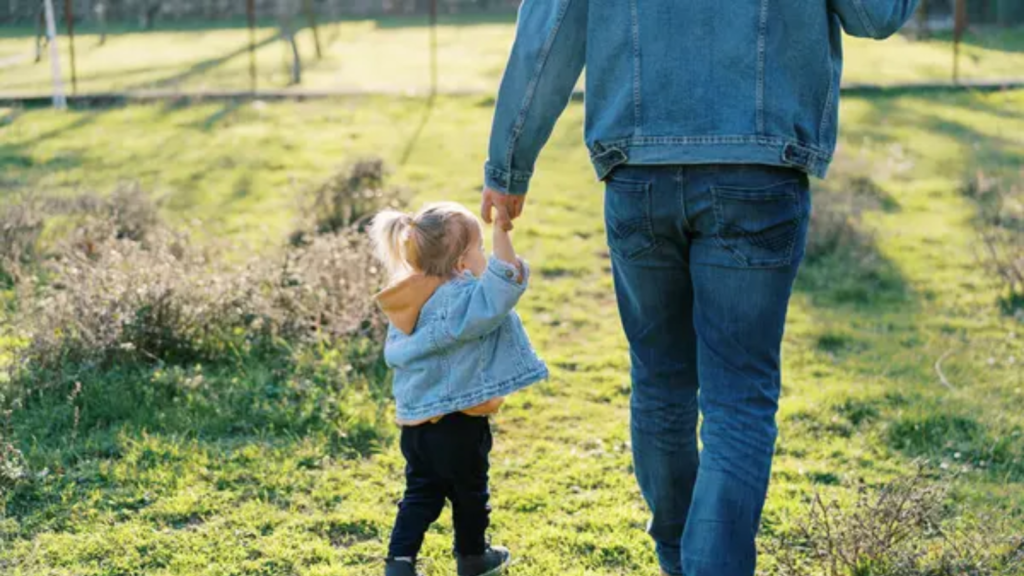
Bedtime Was About More Than Sleep
For plenty of families, bedtime wasn’t something kids could negotiate. Still, some parents had one simple rule that made the routine easier: if you weren’t tired, you could quietly read in bed.
At the time, it felt like a bonus. Looking back, it encouraged a love of books while helping kids slow down naturally before falling asleep. Instead of lying awake frustrated, they learned to settle themselves, a habit many adults still wish they had.
Related: 15 Things Your Neighbors Hope You Notice Before They Have to Say Something
Small Traditions Made Kids Feel Important
Many grandparents had little traditions that made every visit feel special. Maybe there was a cookie jar that always seemed full, a favorite candy tucked away in a drawer, or a small surprise waiting every time you stopped by.
The treats weren’t really the point. Those simple gestures made children feel noticed, welcomed, and loved. Years later, people often remember those moments far more than the gifts themselves.
Everyday Tasks Became Life Lessons
Helping stir cookie batter, measuring ingredients, folding laundry, or sweeping the floor didn’t always feel like work. Often, it was simply time spent with a parent or grandparent.
Without realizing it, kids were learning how to cook, stay organized, solve problems, and take care of a home. Those skills became part of everyday life because they were taught naturally instead of through formal lessons.
Related: 10 Things You Should Never Do With Bleach
Curiosity Was Encouraged
Some parents didn’t pretend to know every answer. Instead, they responded with, “Let’s find out.”
That small phrase taught children something valuable: it’s okay not to know everything. What matters is knowing how to look for answers.
Many adults credit that habit with making them more curious, confident, and willing to keep learning throughout their lives.
Making Responsibilities Feel Like Fun
Parents have always found creative ways to make chores less of a struggle. Cleaning races, sticker charts, small rewards, or timing household tasks with a kitchen timer made ordinary jobs feel more like games.
Kids often focused on beating the clock or earning a reward instead of thinking about the chore itself. Before long, those routines became habits that stuck.
Related: 13 Things You’ll Regret Storing in Cardboard Boxes
Learning About Money One Dollar at a Time
Some of the best money lessons came from having a small allowance or earning a few dollars for extra work around the house.
Kids learned that saving meant waiting, spending meant making choices, and once the money was gone, it was gone. Those experiences taught lessons that many people still carry into adulthood every time they budget or save for something they want.
Building Confidence Through Small Responsibilities
Many parents encouraged independence by letting kids handle simple tasks themselves. Ordering food at a restaurant, asking a store employee for help, or reading a map all gave children chances to build confidence.
Parents were usually close by if something went wrong, but they resisted stepping in right away. That quiet support helped kids believe they could handle things on their own.
Routines Made Life Easier
Some families followed routines so consistently that they barely noticed them. Clothes were laid out the night before, lunches were packed ahead of time, and chores were spread throughout the week instead of piling up.
As children, those habits sometimes felt unnecessary. As adults, many people discover how much smoother life becomes with a little planning and consistency.
Asking Questions Instead of Giving Orders
Some parents didn’t rely on “because I said so.” Instead, they asked questions that encouraged kids to think through situations themselves.
“What do you think will happen?”
“Was that the best choice?”
Questions like these helped children slow down, think about consequences, and make better decisions without feeling like they were simply following orders.
The Little Things Last the Longest
Many of the best parenting ideas weren’t big speeches or unforgettable moments. They were small routines repeated every day without much attention.
Years later, those quiet habits often become the lessons people remember most. They build confidence, teach practical skills, encourage responsibility, and help shape the adults children eventually become.
Looking back, it’s clear that many of those everyday routines were doing far more than keeping a household running. They were preparing kids for life, one small lesson at a time.