The U.S. has stopped making new pennies for everyday circulation, but that doesn’t mean the ones sitting in your change jar are suddenly worthless. In fact, the billions of pennies already out there can still be spent, deposited, and used just like before.
So what actually happens to all those old pennies now that production has ended? Will stores stop accepting them? Could they become more valuable? And will there eventually be a time when you can’t use them anymore?
Here’s what the end of penny production means for the coins you already have.
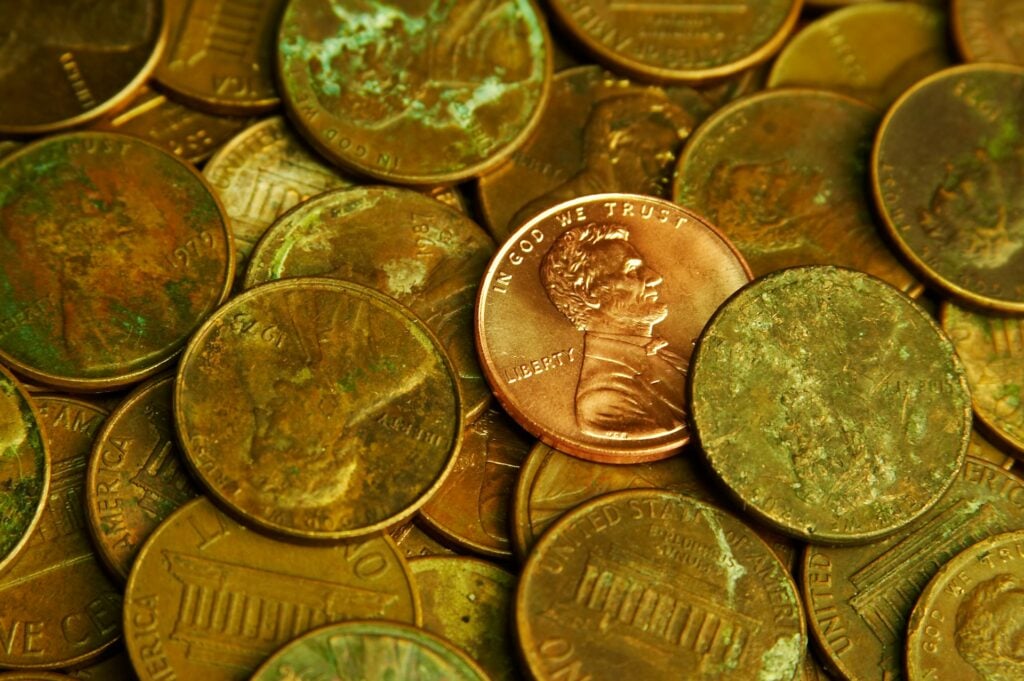
Your old pennies are still worth one cent
The most important thing to know is that pennies haven’t been taken out of circulation. The U.S. Mint stopped producing new pennies for everyday use on November 12, 2025, but existing coins remain legal tender.
That means the pennies in your wallet, kitchen drawer, or change jar still have value. You can still use them for purchases, and banks can continue accepting them for deposits.
There’s no deadline to exchange or turn in your pennies. Just because new ones aren’t being made doesn’t mean the old ones have an expiration date.
Pennies will gradually become harder to find
Billions of pennies are already in circulation, so they won’t disappear overnight. They’ll continue moving between consumers, businesses, and banks for the foreseeable future.
Over time, though, pennies may become less common as people lose them, damage them, collect them, or simply leave them sitting in jars at home. Without new pennies being produced to replace them, the supply available for everyday transactions will gradually decline.
That doesn’t mean every penny will disappear, but you may start seeing fewer in your change.
Related: 10 Wheat Pennies Worth Far More Than One Cent
Stores may start rounding cash purchases
As pennies become harder for businesses to obtain, making exact change could become more difficult.
The Treasury Department has recommended rounding the final total of cash transactions to the nearest five cents when pennies aren’t available. For example, a cash purchase totaling $10.02 could be rounded to $10.00, while a total of $10.03 could be rounded to $10.05.
This would apply to the final cash payment, not the individual prices of items on store shelves. Payments made with credit cards, debit cards, or other electronic methods can still be processed to the exact cent.
How businesses handle rounding may also depend on applicable state and local rules.
You can still deposit your pennies at the bank
If you’ve been saving pennies for years, there’s no need to rush to cash them in. Banks and credit unions can still accept existing pennies, even though the Mint has stopped making new ones for circulation.
If you decide to deposit a large collection, check with your financial institution first. Some banks accept loose coins, while others require you to roll them or count them using a machine.
The important thing is that the end of production hasn’t changed the value of the pennies you already own.
Old pennies won’t automatically become valuable
It’s tempting to think that once something stops being made, everything already in existence becomes collectible. Unfortunately, that’s usually not how coins work.
Most ordinary pennies will likely remain worth just one cent, especially considering how many billions were produced over the years.
However, certain pennies were already valuable to collectors before production ended. Rare dates, minting errors, unusual varieties, and coins in exceptional condition can sometimes sell for considerably more than their face value.
If you have an older collection, it may be worth checking for wheat pennies, rare dates, or unusual markings before depositing everything at the bank. Don’t assume every penny is now a collector’s item just because new ones are no longer being produced.
Related: Old Pennies That Could Still Turn Up in Your Change
Some pennies could remain in circulation for decades
Pennies don’t have a set expiration date. As long as they’re usable and keep circulating, they can change hands for years.
The U.S. has discontinued coins before, and ending production doesn’t automatically make existing currency invalid. Pennies can continue circulating even if fewer businesses regularly use them to make change.
Some people may choose to keep a few pennies as reminders of a coin that’s been part of American life for more than two centuries. Others will continue spending them as usual.
Will the penny ever disappear completely?
The penny’s future is still being worked out. Although the U.S. Mint has already ended production for general circulation, Congress has also been considering legislation to formally establish the change and address how cash transactions should work without a steady supply of pennies.
The proposed legislation would preserve the legal-tender status of existing pennies while allowing limited production for collectors.
For now, the practical answer is simple. The pennies you already have are still money, and there’s no reason to throw them away or assume they’re suddenly valuable.
They’ll continue circulating, even as fewer show up in everyday transactions. And while the U.S. may be finished making new pennies for general circulation, the old ones aren’t going anywhere just yet.