
Most clutter isn’t made up of things we love or use every day. It’s often made up of things we feel bad getting rid of.
Maybe it was an expensive purchase that never lived up to your expectations. Maybe it was a gift from someone you care about. Or perhaps it’s something you’ve been saving because you think you “should” want it someday.
A recent Talker Research survey found that nearly half (46%) of adults still keep belongings at their parents’ house, with sentimentality ranking as one of the biggest reasons people continue holding onto items for years. Licensed clinical psychologist Dr. Augusto Blanco explains that people often keep belongings because they fear regret or feel emotionally connected to what those items represent, not necessarily because they still need them.
If your home feels crowded, these are some of the most common things people keep simply because guilt makes them hard to let go.
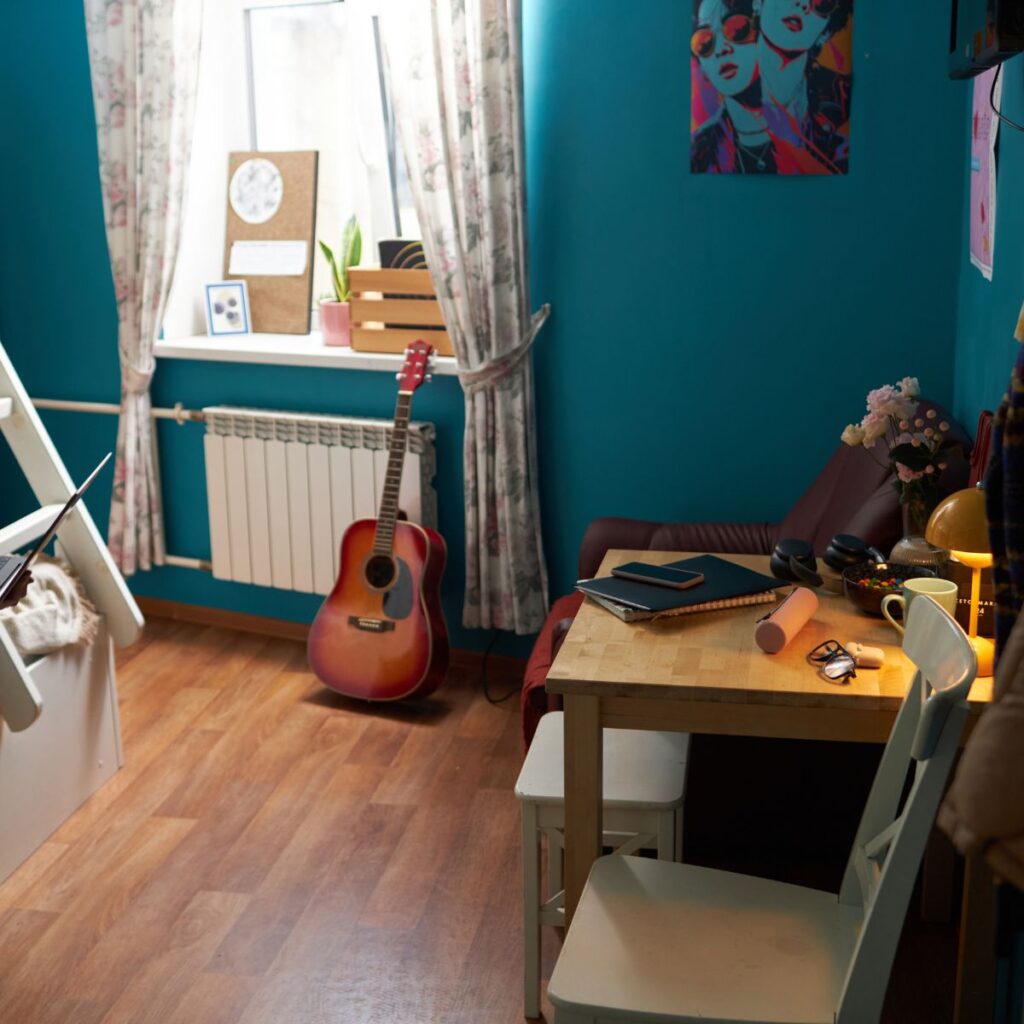
Gifts You Never Actually Liked
Just because someone gave you something doesn’t mean you’re obligated to keep it forever. Once a gift has been given, it has already served its purpose. If it doesn’t fit your life or style, it’s okay to donate it so someone else can enjoy it.
Expensive Purchases That Didn’t Work Out
Many people keep exercise equipment, kitchen gadgets, or expensive clothing simply because they spent good money on them. Unfortunately, keeping an unused item doesn’t recover the money—it only takes up space.
Family Heirlooms You Feel Obligated to Keep
Not every antique, china cabinet, or inherited piece of furniture needs to stay in the family forever. It’s perfectly reasonable to keep the heirlooms that truly mean something to you while letting go of the rest.
Clothing That Doesn’t Fit
Many closets are filled with clothes people hope to wear again someday. If those pieces haven’t fit for years and aren’t helping you today, they may simply be adding unnecessary clutter.
Hobby Supplies From a Hobby You Quit
Craft supplies, knitting yarn, musical instruments, or sports equipment often remain because people feel guilty about giving up an interest they once enjoyed. It’s okay for your hobbies to change over time.
Books You Feel Like You Should Read
Books often become symbols of good intentions. If you’ve been meaning to read the same stack for years, it may be time to admit they aren’t your priority and pass them along to someone who will enjoy them.
Childhood Keepsakes You Never Look At
Saving a few treasured memories makes sense, but many people keep entire boxes of childhood belongings they haven’t opened in decades. The memories remain even if you don’t keep every single item.
Furniture You’re Saving “Just in Case”
Extra chairs, old dressers, unused coffee tables, and spare furniture often stay because they might be useful one day. If they’ve been sitting in storage for years, they’re probably serving as storage more than furniture.
Boxes You Haven’t Opened Since You Moved
If a box has followed you through several moves without being opened, ask yourself whether you really need what’s inside. Chances are you’ve already been living comfortably without those items.
Duplicates You Keep as Backups
Extra coffee mugs, kitchen utensils, blankets, or tools often accumulate because they’re “good to have.” In reality, most households only use the same few items every day.
Collections You No Longer Enjoy
Collections of figurines, memorabilia, dolls, or decorative items can quietly become obligations instead of sources of joy. If you’re only keeping them because you feel guilty breaking up the collection, it may be time to rethink it.
Things You’re Saving Because Someone Else Might Want Them
Many people keep boxes of belongings because they assume their children or grandchildren will eventually want them. But the Talker Research survey found that sentimental value is personal, and future generations don’t always place the same emotional value on the same possessions.
Why Guilt Makes Decluttering So Difficult
According to the survey, many people hold onto belongings because they associate them with memories, relationships, or important moments in life. Dr. Augusto Blanco explains that letting go of an object can sometimes feel like letting go of part of your own story, even when that’s not actually the case.
Guilt also shows up in the form of “What if I need this later?” or “I spent too much money to get rid of it.” Those thoughts make it easier to postpone decisions than to actually make them.