With grocery prices staying high, fuel costs eating into household budgets, and concerns about possible supply disruptions, more people are thinking ahead about what they keep at home.
Ongoing tensions involving Iran have also raised concerns about energy prices and the cost of moving goods. When fuel and transportation costs go up, those increases can eventually show up in grocery stores and on everyday household products.
That doesn’t mean everyone is rushing out to clear store shelves. For many families, stocking up simply means adding one or two extra items to a normal grocery trip. Shelf-stable foods, household supplies, and products they use regularly tend to be at the top of the list.
Having a little extra at home can also make things easier if prices jump or a particular item becomes harder to find.
Here are some of the items people are stocking up on.
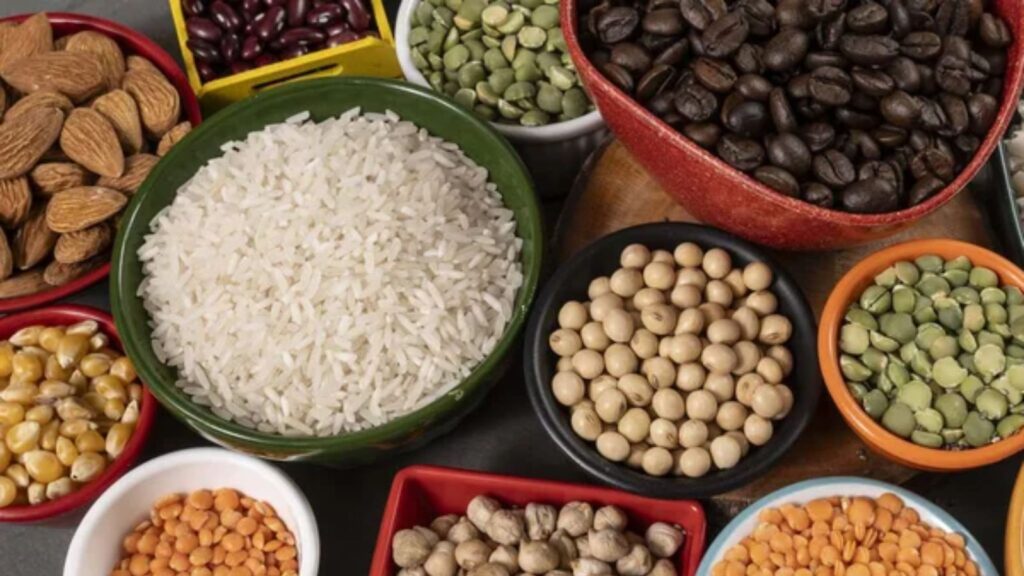
Rice and Beans
Rice and beans have been pantry staples for generations, and there’s a good reason for that. They’re inexpensive, filling, easy to store, and can be turned into plenty of different meals.
A few bags of rice and several packages of dried or canned beans can stretch a grocery budget quite a bit. They’re also useful to have around on days when you need to make a meal without relying on fresh ingredients.
Flour, Sugar, and Baking Staples
Flour, sugar, pancake mix, baking powder, and syrup are getting more attention from people who want to keep basic cooking ingredients on hand.
These foods can be used for breakfast, baking, homemade bread, desserts, and plenty of simple meals. Having them in the pantry also gives you more options if grocery prices continue to climb.
For households that bake regularly, buying an extra bag or container during a regular shopping trip can be an easy way to build up a small reserve.
Coffee
Coffee is one of those things people don’t necessarily think of as an emergency supply, but regular coffee drinkers know how quickly they can go through it.
With coffee prices already putting pressure on shoppers, some people are buying an extra bag or keeping instant coffee in the pantry as a backup. Reddit users have also mentioned coffee as one of the everyday items they don’t want to run out of.
For someone who drinks it every morning, having an extra container around can make a price increase a little easier to handle.
Pasta and Tomato Products
Pasta is one of my favorite pantry foods to keep around because it can turn into a meal with very little effort.
A box of pasta can sit in the pantry for a long time, and canned tomatoes, tomato paste, and pasta sauce give you plenty of options for putting together a quick dinner.
These foods also work well with other pantry staples, which makes them useful for those weeks when you’re trying to stretch what you already have at home.
Cooking Oils and Fats
Cooking oil is easy to overlook until you need it and realize you’ve almost run out.
Vegetable oil, olive oil, shortening, and lard all have plenty of uses in the kitchen, from frying and baking to making dressings and sauces. Prices can also vary quite a bit, so some shoppers are picking up an extra bottle while they can.
Just don’t buy more than you can reasonably use before the oil loses its freshness.
Related: 14 Odd, But Useful Olive Oil Hacks That Actually Work
Shelf-Stable Protein
Protein can take up a big part of a grocery budget, especially when fresh meat prices climb.
Canned tuna, canned chicken, canned salmon, peanut butter, and other shelf-stable protein sources give families something to fall back on without filling the freezer.
They’re also handy for quick lunches and dinners when you don’t have fresh meat available.
Dehydrated Foods
Dehydrated onions, peppers, potatoes, fruit, and other dried ingredients can last much longer than their fresh counterparts when stored properly.
They’re especially useful for soups, stews, casseroles, rice dishes, and other meals where you want to add vegetables without worrying about fresh produce going bad in the refrigerator.
A few bags or containers can take up little pantry space while giving you ingredients to work with later.
Water Filters and Emergency Supplies
Recent storms, power outages, and other disruptions have reminded plenty of people how quickly basic supplies can become difficult to find.
Water filters, flashlights, batteries, and solar lanterns are among the items people are adding to their emergency supplies. A personal water filter can be useful during situations where access to clean drinking water becomes limited.
These aren’t items you need to buy all at once. Adding a few useful supplies during regular shopping trips can be a much easier way to build up an emergency kit.
Seeds and Gardening Supplies
Some people are also looking at their own yards as another way to reduce future grocery costs.
Vegetable seeds, herb seeds, garden soil, containers, and basic gardening tools are getting attention from people who want to grow at least some of their own food.
Tomatoes, beans, squash, and herbs are popular choices because they can produce a useful amount of food without requiring a huge garden.
Growing your own food won’t replace a grocery store, but even a small garden can give you fresh ingredients during the growing season.
Hygiene and Household Basics
Toilet paper, soap, toothpaste, laundry detergent, and feminine hygiene products are the kinds of things most households are going to buy eventually.
That makes them practical items to keep a little extra of at home. Past shortages have shown how quickly everyday necessities can disappear from shelves when a lot of people start buying them at the same time.
A package of toilet paper or an extra bottle of soap takes up far less space than a large emergency food supply and can save you a rushed trip to the store later.
Fuel and Backup Cooking Supplies
Some households are also preparing for the possibility of power outages or higher fuel costs by keeping backup cooking supplies on hand.
Propane tanks, butane stoves, generators, and firewood can all be useful during an extended outage, depending on where you live and what equipment you already have.
Fuel should always be stored according to local safety rules and the manufacturer’s instructions. There’s no reason to keep a large amount around if you don’t have a safe place to store it.
Stocking Up Without Going Overboard
Building a small stockpile doesn’t have to mean filling every closet and cabinet.
For most households, it makes more sense to start with the foods and supplies they already use. Buy an extra bag of rice when you’re running low, add another package of toilet paper during a sale, or pick up a few cans of protein for the pantry.
That way, you’re building a cushion over time without spending a huge amount of money all at once.
The goal isn’t to predict exactly what will happen with prices. It’s to have a little breathing room if something you regularly buy becomes more expensive or harder to find.