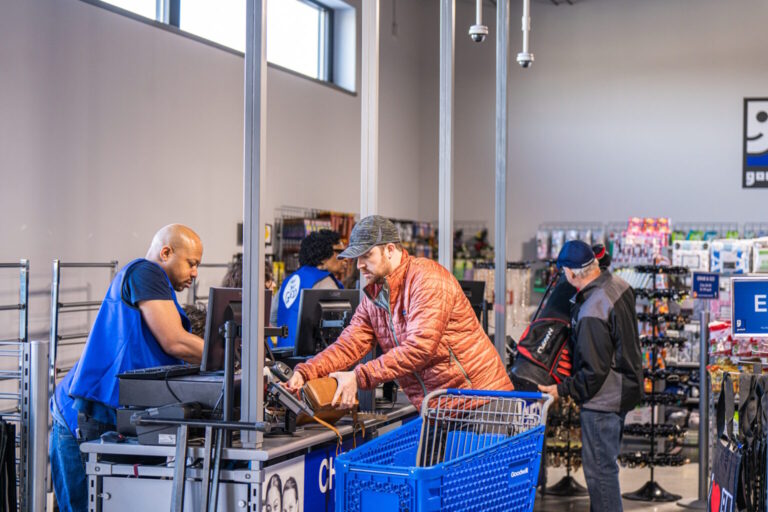
Dropping off a few bags at Goodwill can feel like an easy way to clear out your home while giving your old things another chance. But not everything that gets donated makes it to the sales floor.
Donation centers sort through huge amounts of clothing, furniture, household goods, and electronics. Items that are damaged, unsafe, dirty, or too difficult to sell may be pulled during sorting and discarded. Some things that were once common thrift-store donations are now much more likely to end up in the trash.
Here are five donations that Goodwill and other thrift stores often reject.
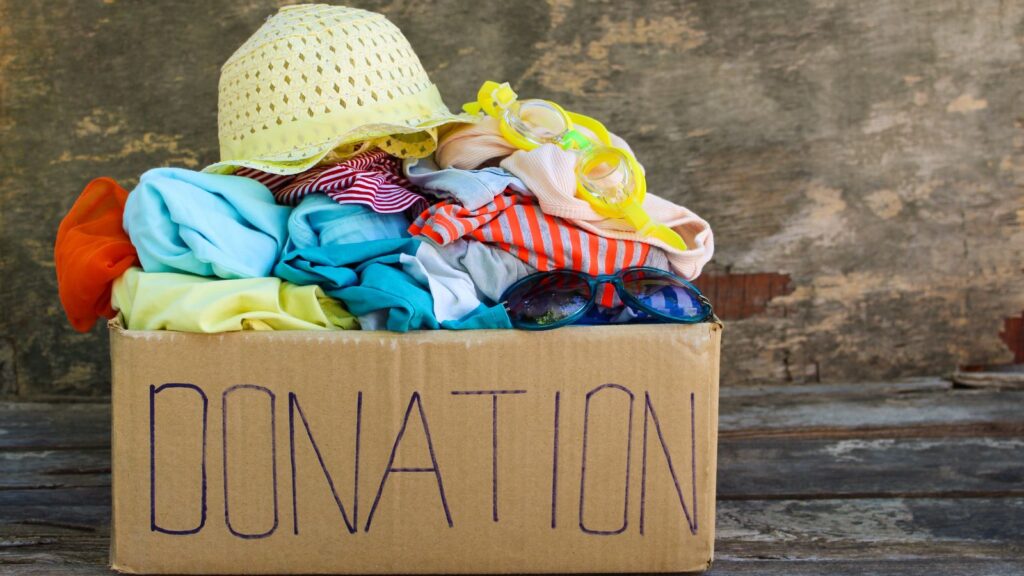
Moldy or Damp Donations
A damp donation can cause problems far beyond the item itself. Clothes, books, blankets, and furniture that have been stored in a basement, garage, or shed can pick up mildew, musty odors, or visible mold.
Once moisture has spread through a group of donations, separating the affected items can be difficult. Workers may have to throw away anything they believe has been contaminated.
This can also happen when bags of donations are left outside in the rain. If something has been sitting in a wet garage or has developed a strong mildew smell, it’s better to deal with it before bringing it to a thrift store.
Related: 18 Things Goodwill Gets Way Too Many Of
Heavily Stained or Worn Clothing
Clothing remains one of the most common things people donate, but that doesn’t mean every shirt or pair of pants belongs in a donation bin.
Items with permanent stains, strong odors, excessive pet hair, stretched-out fabric, heavy pilling, or badly worn areas may be pulled during sorting. Thrift stores receive so much clothing that workers can’t spend much time trying to rescue pieces that shoppers are unlikely to buy.
Before filling a donation bag, take a quick look at each piece. If you wouldn’t feel comfortable handing it to a friend, it may be better suited for textile recycling or the trash, depending on its condition.
Broken Kitchenware and Household Items
That chipped mug or cracked plate might seem like something someone could still use, but thrift stores have to think about customer safety.
Cracked dishes, chipped glassware, broken handles, and damaged cookware may be rejected because they can cause cuts or break during use. A pan with a loose handle or a glass with a sharp chip isn’t much of a bargain for the person who buys it.
Give kitchen donations a quick inspection before packing them up. If something is damaged enough that you wouldn’t use it yourself, don’t assume a thrift store will be able to sell it.
Related: 12 Things That Disappear Within Minutes at Goodwill
Old Electronics That No Longer Work
There was a time when thrift stores seemed to accept almost every old VCR, stereo, printer, and DVD player that someone wanted to get rid of. Today, broken and outdated electronics can be much harder for stores to handle.
A television with no power cord, a printer that won’t turn on, or an old stereo that hasn’t worked in years may have little resale value. Testing equipment takes employee time, while recycling electronics can involve additional costs and rules.
Working electronics with all their necessary cords and accessories have a better chance of being sold. If an item is broken or missing important parts, check whether your community has an electronics recycling program instead.
Used Mattresses and Certain Upholstered Furniture
Mattresses are among the trickiest household items to donate. Bed bugs, stains, odors, and sanitation concerns make them difficult for many thrift stores to accept or resell.
The same problem can apply to upholstered furniture. A couch, recliner, or fabric chair covered in pet stains, smoke odors, or other damage may be rejected because cleaning and treating it can cost more than the item is worth.
Before loading large furniture into your car, check the donation center’s current rules. Some locations accept certain furniture while others have stricter policies. A quick call can save you the trouble of hauling something across town only to have it turned away.
A donation only helps if the recipient can actually use it. Taking a few minutes to inspect your items before donating can keep damaged goods out of the donation stream and make it easier for thrift stores to get usable merchandise onto the shelves.